World
U.S.-Iran strikes intensify as Iran’s oil and shipping routes come under fire
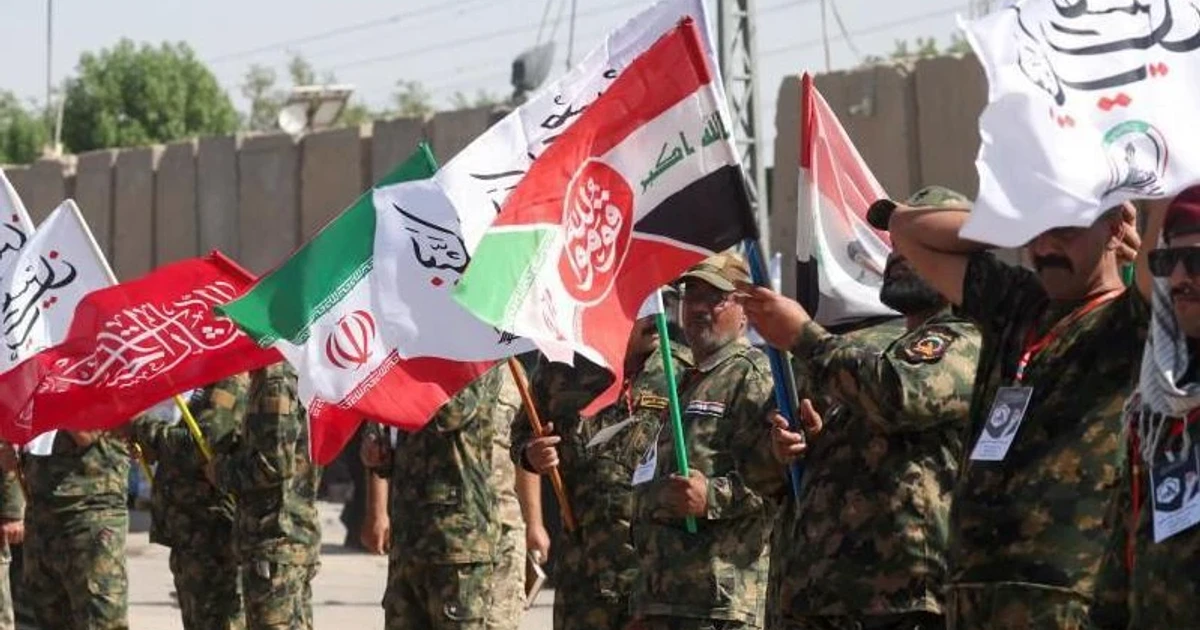
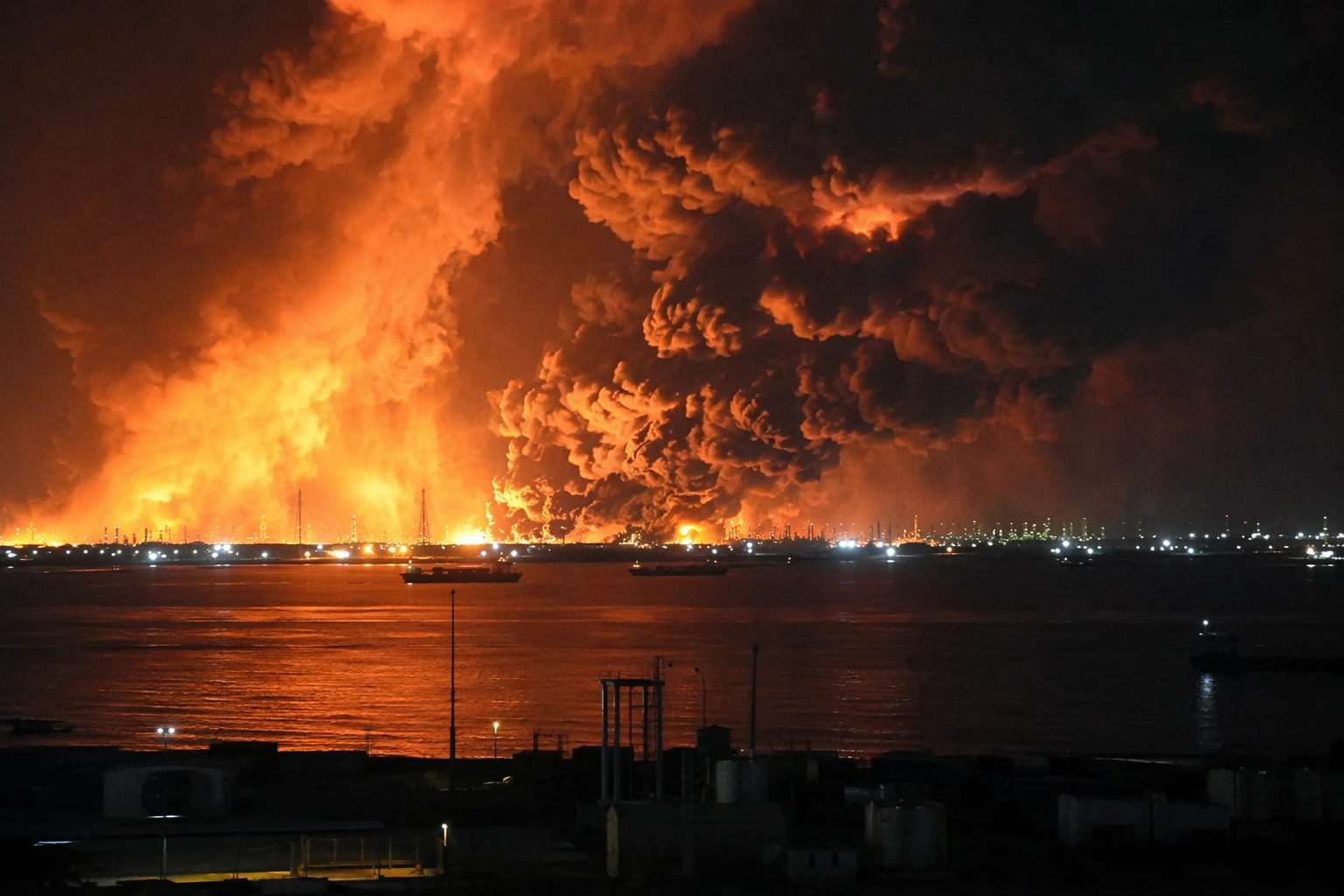
Explosions were heard across Iran overnight as the U.S.-Iran exchange widened from coastal strike sites to inland military positions, raising the risk that American personnel and Gulf shipping will stay in the crossfire. The latest attacks followed separate reports of strikes in neighboring Gulf states and showed both sides choosing targets that signal escalation without yet reaching full regional war.
U.S. Central Command said Wednesday’s attacks came in two waves and targeted Iran’s coastal defenses and missile sites, including Greater Tunb Island and positions in Bandar Abbas. Iran said it responded by striking U.S. military targets in Bahrain, Kuwait and Jordan, a spread that put American forces in several host countries under direct threat. Iran’s Revolutionary Guard said it also hit a radar system at Ali Al Salem air base in Kuwait and a gathering of U.S. personnel there.
The fighting has now moved beyond the southern shoreline. The Institute for the Study of War said a U.S. strike hit the Artesh Ground Forces 388th Mechanized Assault Brigade barracks in Iranshahr, about 200 kilometers from the coast in Sistan and Baluchistan Province, and Iranian regime media said seven soldiers were killed and 13 injured. ISW said a second inland target, an unspecified IRGC base in Saravan, was also reportedly struck on July 15. That shift inland suggests a campaign that is no longer limited to air defenses and shipping-linked assets.
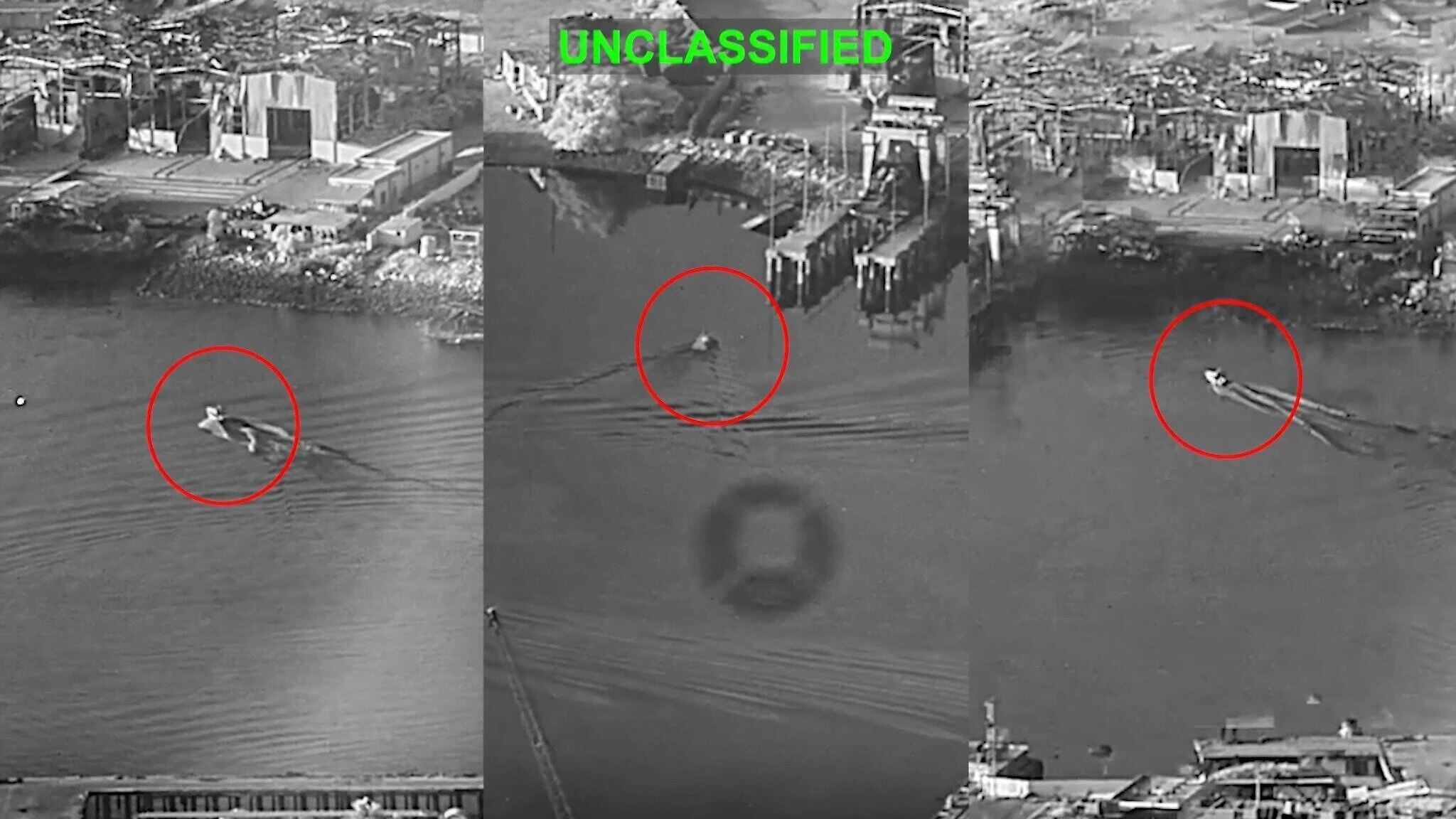
The pressure on energy routes has been immediate. Before the war, the Strait of Hormuz carried about a fifth of global oil and gas shipments, and Reuters reported that Iran said late on Saturday it had closed the waterway. The U.S. also disabled an unladen oil tanker heading toward Iran’s Kharg Island after repeated warnings, underscoring how quickly commercial traffic can become a military target. Brent crude closed at a one-month high of $84.95 a barrel on Wednesday as traders priced in the danger to supply.

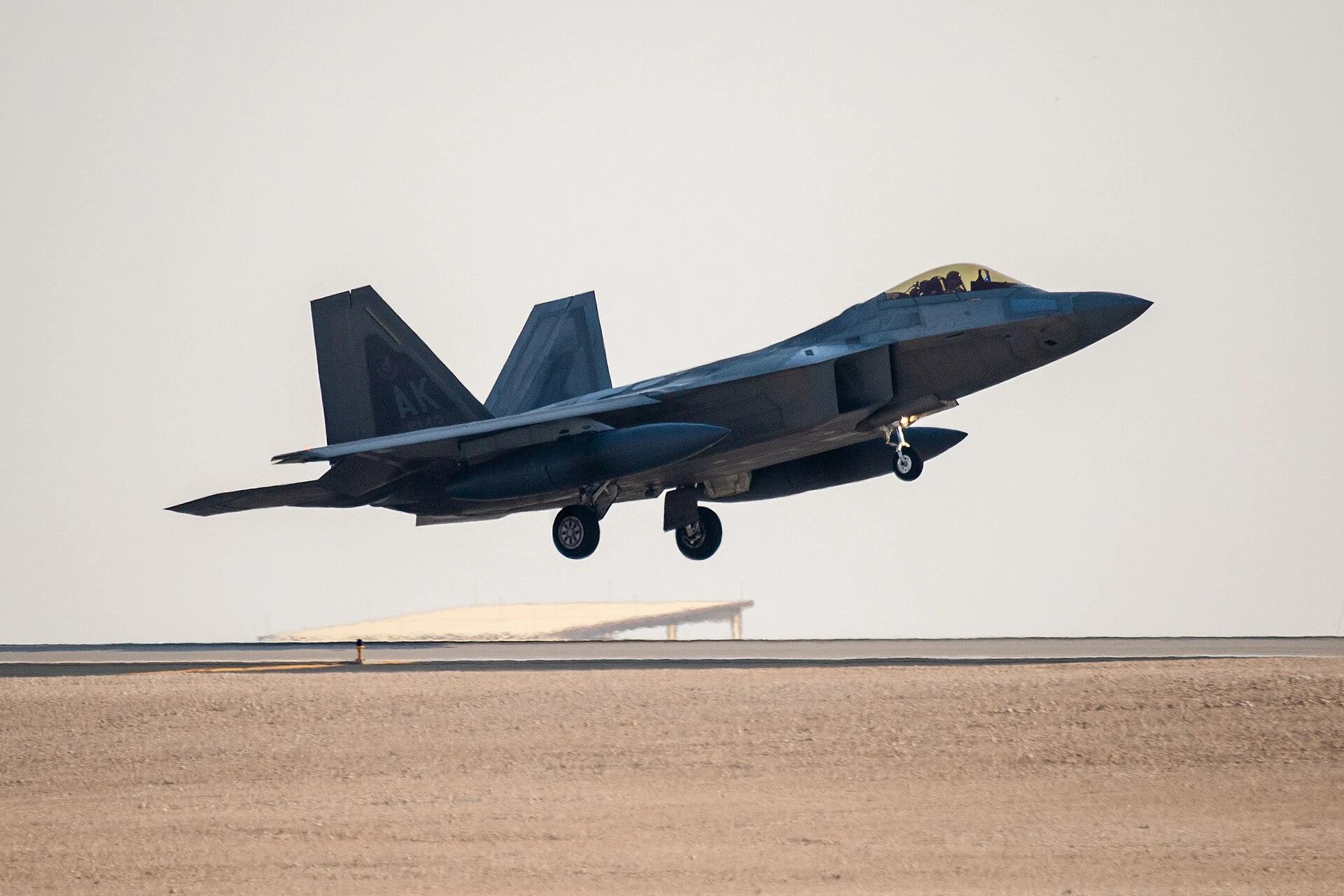
Analysts have also warned that Iran may try to use its Houthi allies in Yemen to threaten Bab el-Mandeb, which would widen the conflict to another choke point linking Asian and European trade. Shipping companies were already avoiding the southern route despite U.S. military escorts, a sign that the immediate economic damage is not limited to damaged infrastructure but extends to insurance costs, rerouting and the growing likelihood that more American personnel and assets will be pulled deeper into the fight.
Sources
- [1]bbc.co.uk
- [2]usnews.com
- [3]militarytimes.com
- [4]understandingwar.org