World
U.S., Iran strikes raise fears over Strait of Hormuz agreement
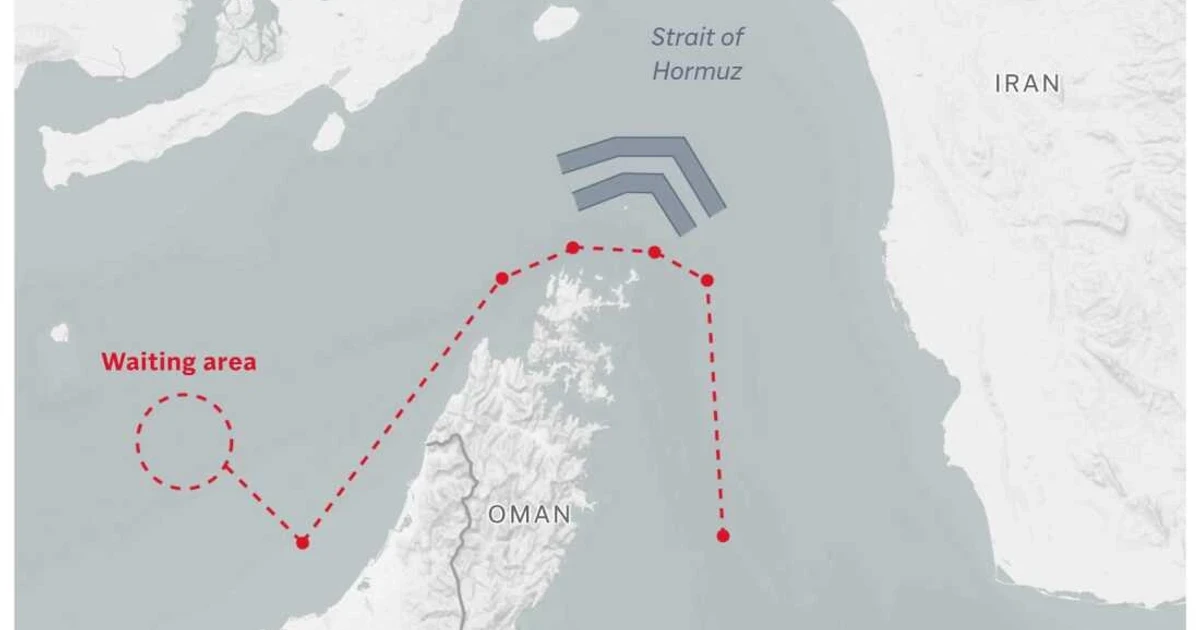
U.S. strikes on Iranian missile and drone storage locations and coastal radar sites followed an escalation that Tehran said began with its own strikes on U.S. military targets and Washington said violated the ceasefire around the Strait of Hormuz. Iran’s foreign ministry accused the United States of violating international law and the ceasefire agreement, while Donald Trump said Tehran had broken the truce in the chokepoint that carries much of the world’s oil trade.
The fragile June 17 memorandum of understanding was built to keep that waterway open. U.S. officials said Pakistan and Qatar helped mediate the deal, and the State Department said it was meant to restore safe transit through the Strait of Hormuz. Secretary of State Marco Rubio then traveled from June 23 to June 25 to the United Arab Emirates, Kuwait and Bahrain to press the arrangement and maritime security. On May 25, the United States, Bahrain and other Gulf partners also backed a draft U.N. Security Council resolution aimed at defending freedom of navigation and requiring Iran to stop attacks, mining and tolling in the strait.
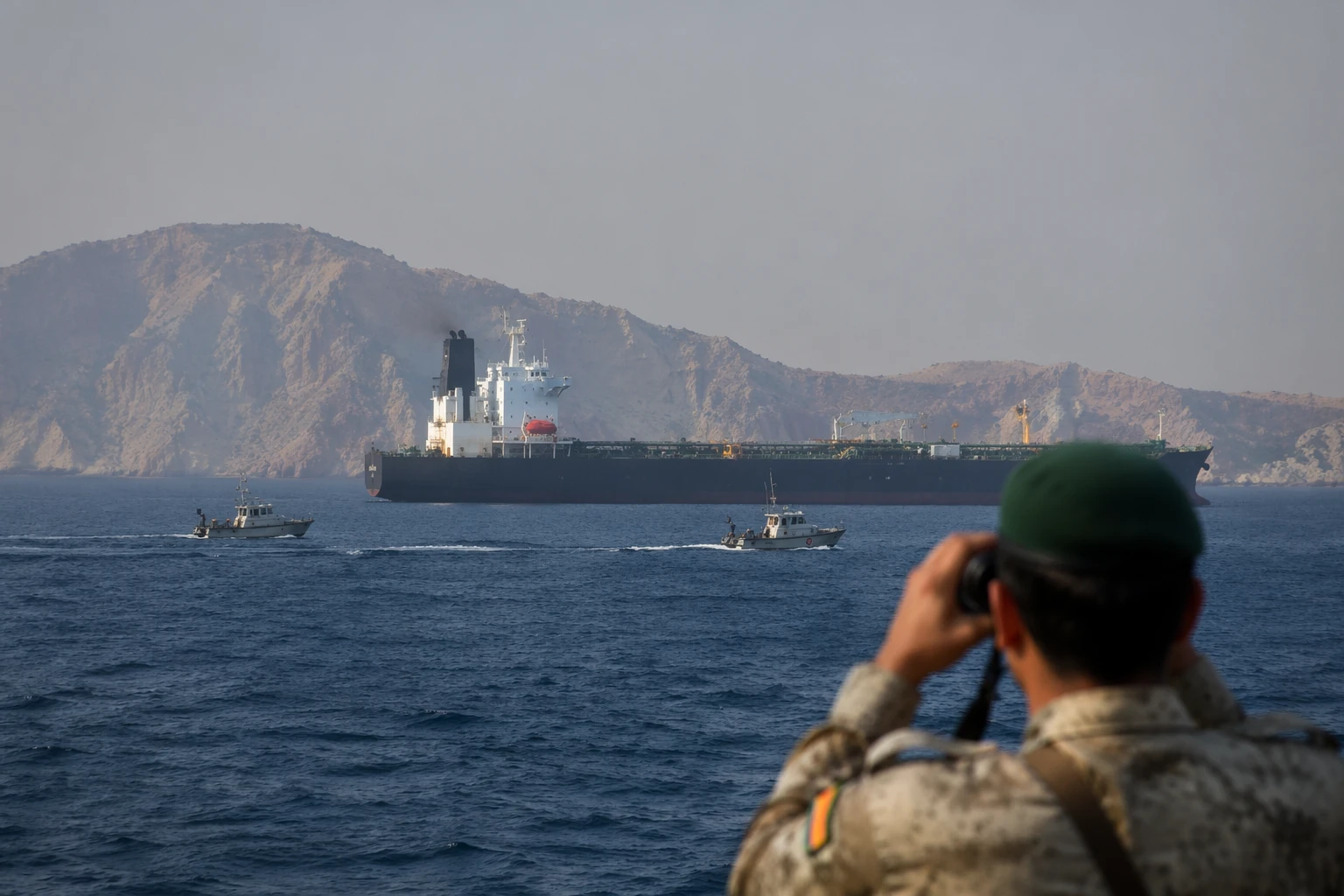
The clearest trigger for collapse is another strike on shipping. The International Maritime Organization identified the June 25 attack on the Singapore-flagged EVER LOVELY as a confirmed incident and said the vessel was damaged with no injuries. By June 26, the organization said it had recorded 47 confirmed incidents across the Strait of Hormuz and the wider Middle East and 14 confirmed seafarer fatalities, with more than 20,000 seafarers in the region. It also said it had temporarily paused a vessel evacuation operation on June 25 while conditions remained unclear.
Those numbers put the agreement on a short fuse. If tankers keep moving without fresh hits, the MOU can still function as a limited maritime pause. If attacks continue, especially against commercial shipping or U.S. forces, the deal could unravel fast, and the mediation channels run by Pakistan and Qatar would be tested immediately.
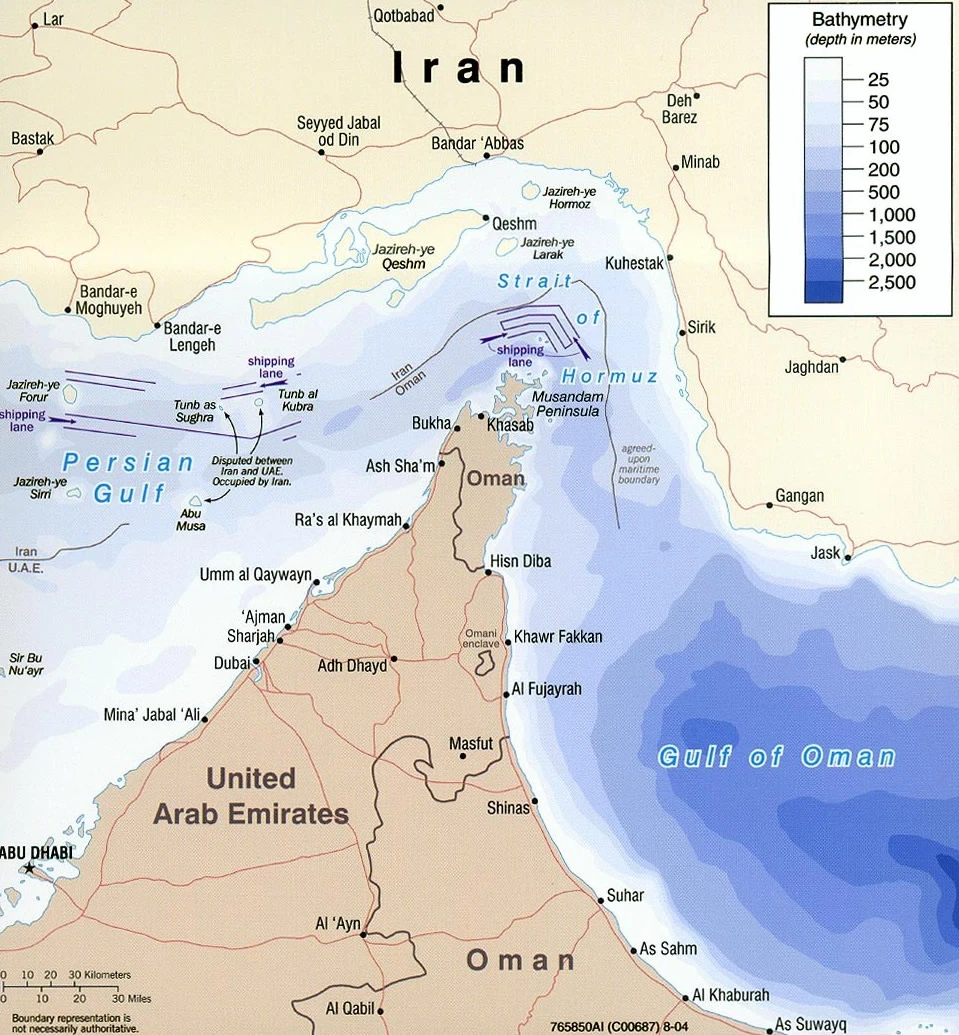
The diplomatic machinery is still operating, but under strain. U.S. and Gulf officials have publicly welcomed the MOU and the temporary maritime corridor announced by Oman. The question now is whether those backchannels can keep up with the military tempo long enough to prevent another incident in the Strait of Hormuz from shutting the corridor down.
Sources
- [1]news.google.com
- [2]state.gov
- [3]imo.org
- [4]cnbc.com
- [5]nbcnews.com
- [6]aljazeera.com