World
US-Iran strikes test fragile ceasefire as Hormuz shipping remains at risk
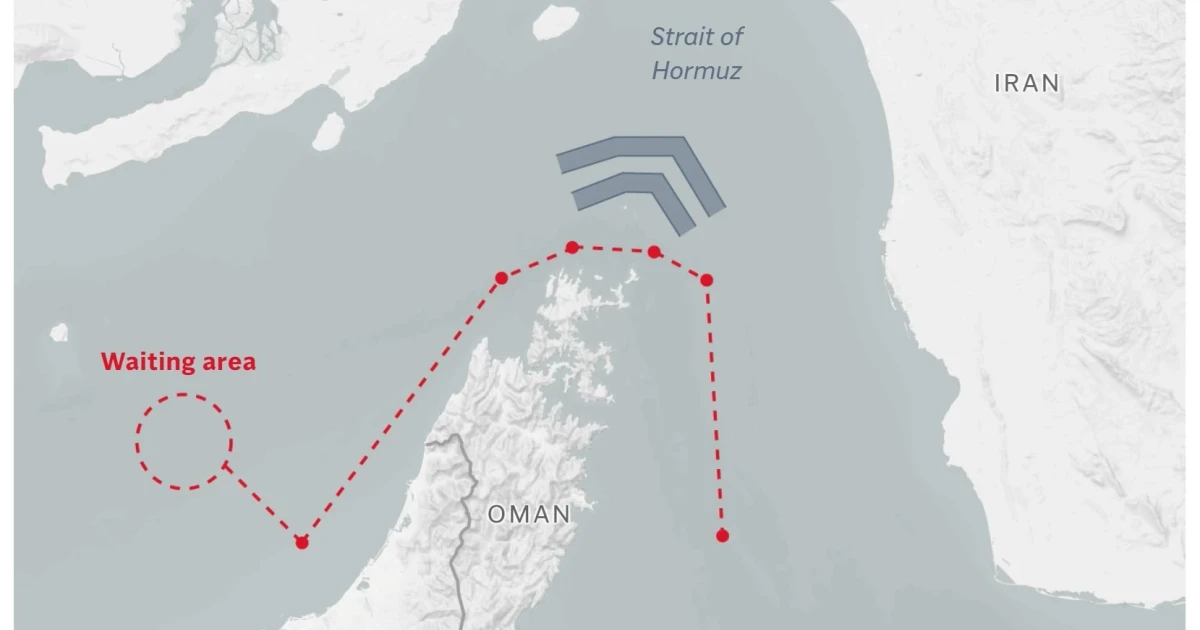
Fresh U.S. strikes on Iranian military infrastructure and Iranian drone and missile attacks on U.S. sites in Bahrain and Kuwait came on the third straight day of military action after the June 17 ceasefire. Shipping through the Strait of Hormuz remained exposed, even as diplomats planned to resume talks in Qatar and a U.S. official said both sides would “stand down for now.”
The interim peace agreement, a 14-point memorandum of understanding, was signed to halt a four-month war and reopen the Strait of Hormuz while negotiations continued. That promise was under immediate strain after Iran’s paramilitary Revolutionary Guard launched attacks in response to U.S. airstrikes, and after the U.S. military answered with fresh strikes on missile and drone storage sites and coastal radar positions near the strait.
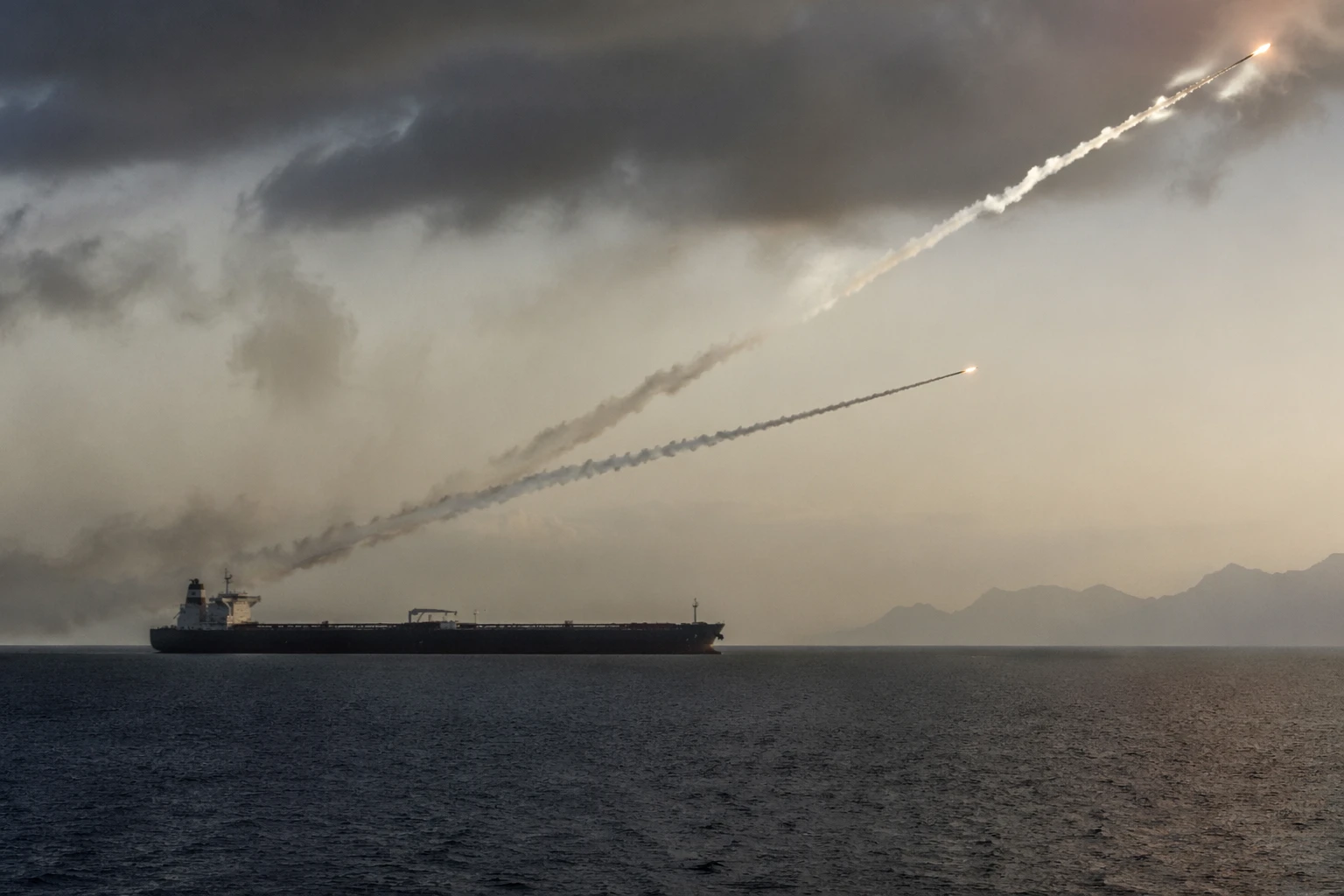
The maritime risk widened on June 25, when a cargo ship near the coast of Oman was attacked and a U.S. official blamed Iran. The incident prompted a pause in vessel movement and evacuation planning tied to the Strait of Hormuz, a choke point that carries a major share of global oil and gas exports.

Markets reacted immediately. Oil prices fell below $70 a barrel as traders weighed the possibility of renewed disruption in the Gulf, including the Gulf of Oman and the waters around Hormuz. The talks in Qatar were meant to keep the ceasefire alive, but Iran had threatened to halt negotiations entirely if the attacks continued.
Sources
- [1]news.google.com
- [2]cnbc.com
- [3]apnews.com
- [4]cnn.com
- [5]reuters.com