World
U.S.-Iran strikes widen across Gulf, raising fears of regional war
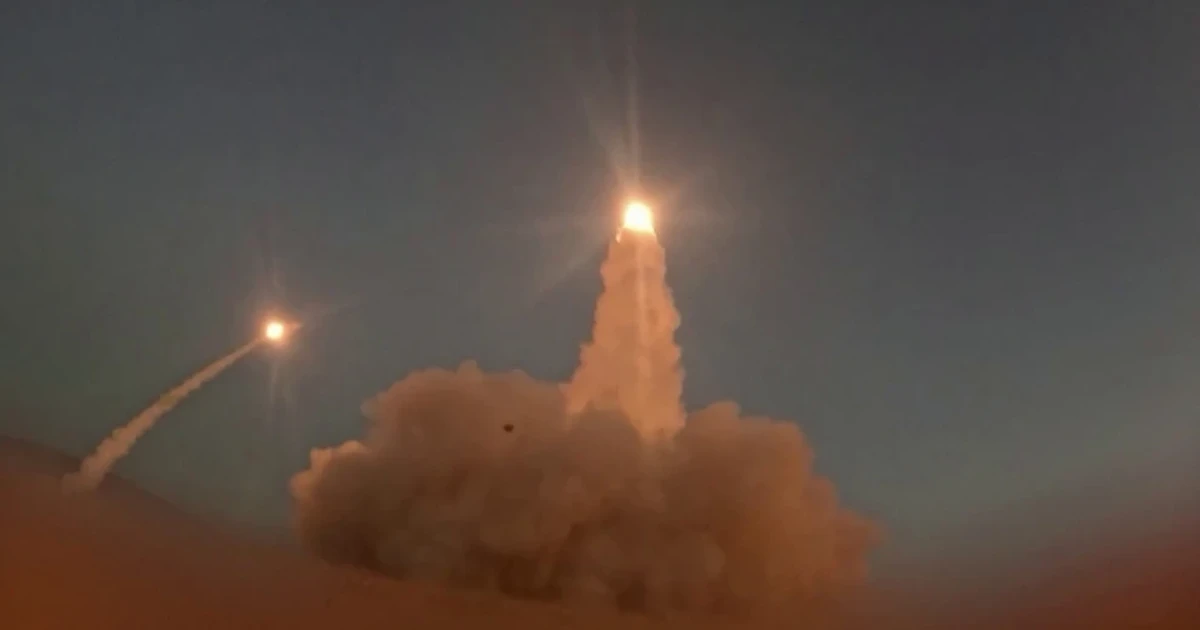
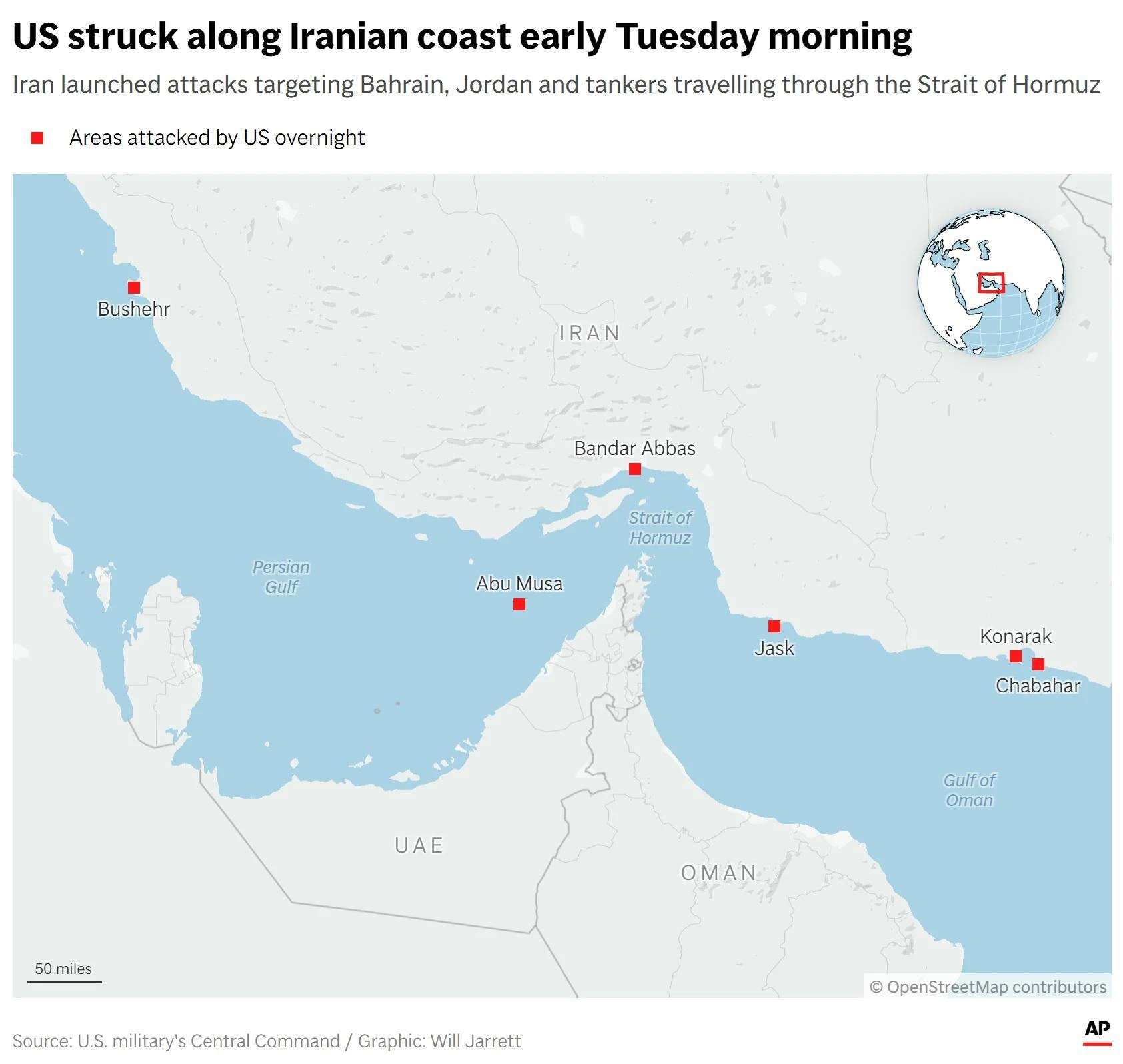
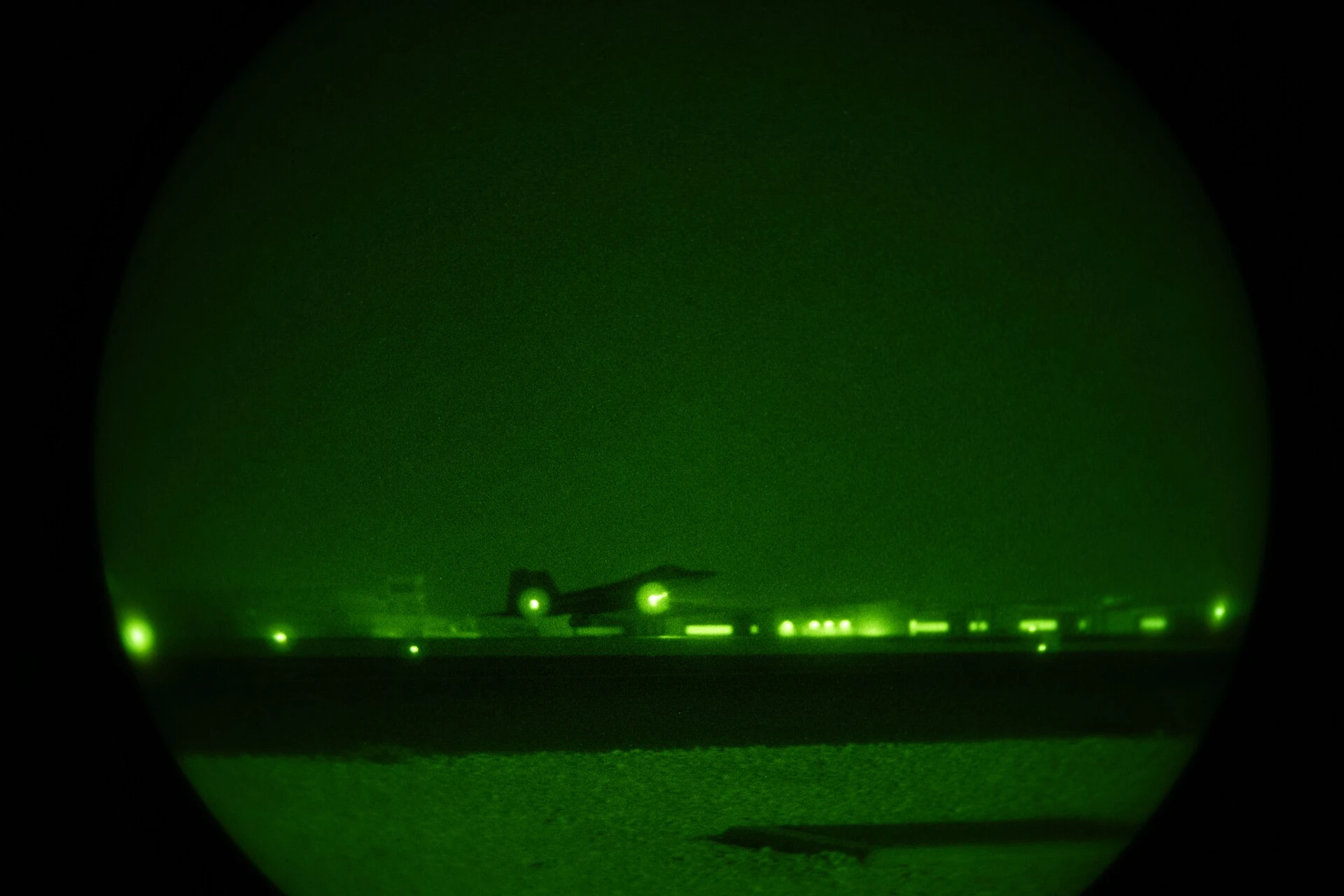
CENTCOM completed its latest wave of strikes against Iran at 10:15 p.m. ET on July 13, hitting Bushehr, Chah Bahar, Jask, Konarak, Abu Musa and Bandar Abbas with precision munitions aimed at coastal defense systems, missile and drone sites, and maritime capabilities. The targets pushed the conflict deeper into Iran’s Gulf shoreline, where military and shipping infrastructure are now part of the same campaign.
President Donald Trump’s Feb. 28 announcement of “major combat operations” marked the opening of a widening air-and-sea fight that has since stretched across the Gulf. CENTCOM says more than 50,000 U.S. service members are deployed across the Middle East, and its latest releases show a steady sequence of strikes on July 1, July 7, July 8, July 11, July 12 and July 13. The stated U.S. objective has narrowed to degrading Iran’s ability to attack commercial shipping, a sign that the fight has shifted from retaliation alone to the protection of maritime routes.
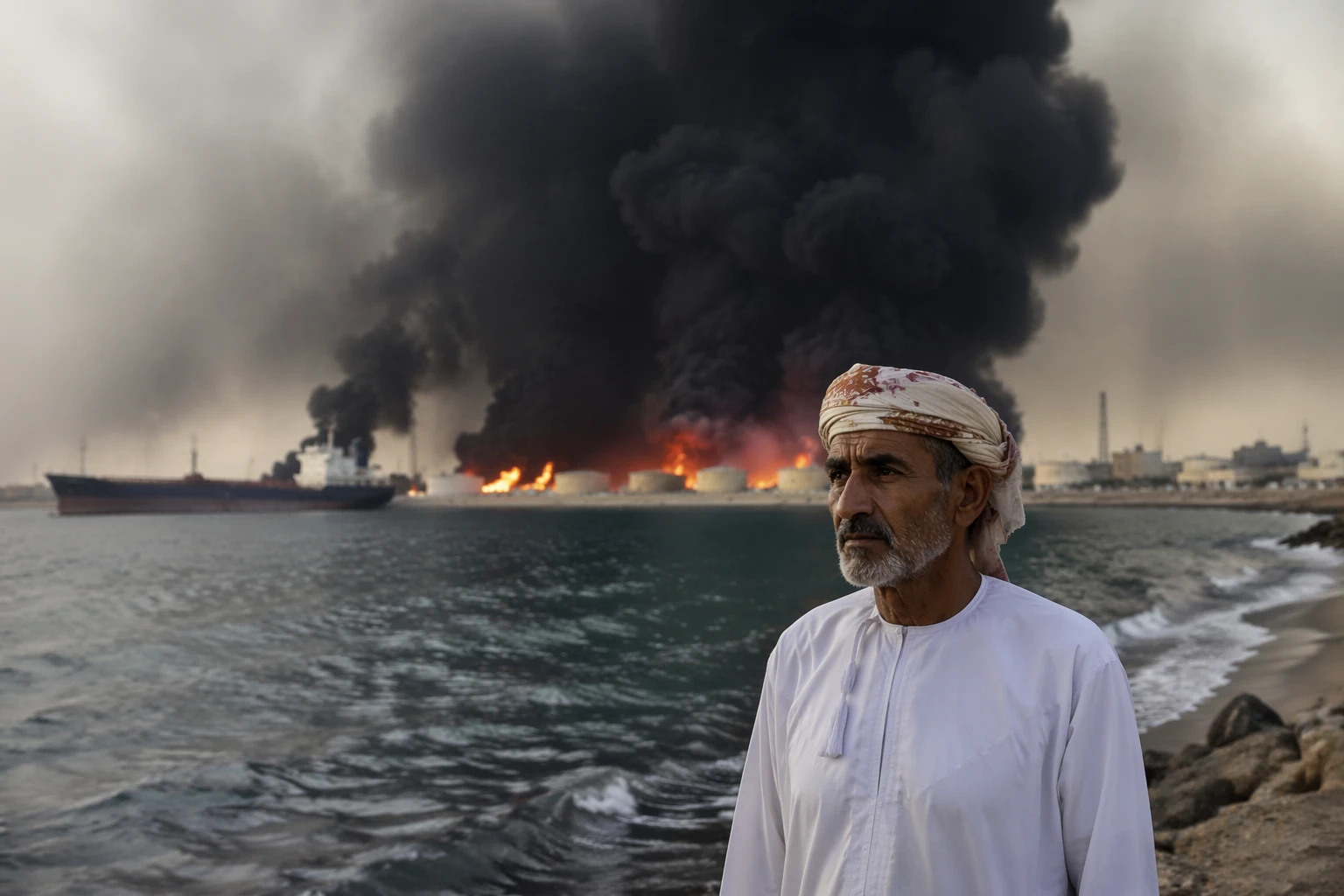
The most dangerous threshold remains the Strait of Hormuz. The United Nations Security Council met in emergency session on July 2 over Iranian attacks on Bahrain and Kuwait and fighting around the chokepoint, where UN officials warned that every new strike risked triggering a wider regional war. António Guterres urged Iran and the United States to urgently resume negotiations as the renewed strikes and counterstrikes raised fears of a return to all-out war.
The exchange has already reached U.S. bases and allied territory. UN officials said the United States struck around 140 targets after Iranian attacks on a vessel in the international waterway, while Tehran launched attacks on a U.S. base in Jordan and on the United Arab Emirates, Bahrain, Oman and Kuwait with missiles and drones. The IRGC has repeatedly claimed attacks on U.S. military sites in Bahrain, Kuwait and Jordan, underscoring that Iran still retains the capacity to answer beyond its own borders.
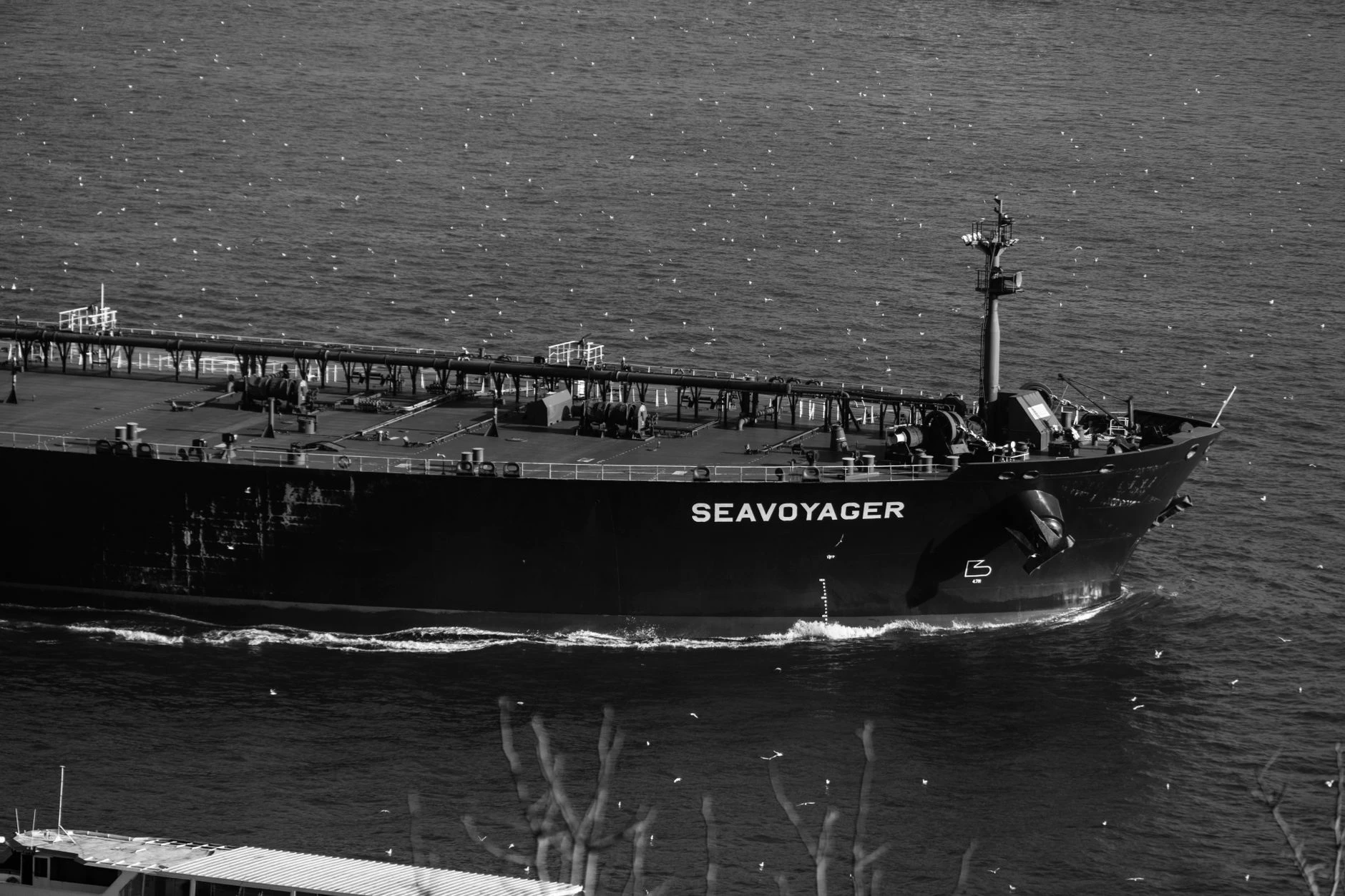
The shipping fallout is now a central measure of escalation. UN officials said around 6,000 seafarers were stranded aboard scores of vessels after traffic through the Strait of Hormuz ground to a halt, and the United Nations said full freedom of navigation must be restored. As long as the conflict remains confined to strikes on military sites and maritime systems, it stays within a limited regional war. If attacks begin to sustain damage to tankers, ports and energy exports, the line into a broader war will already have been crossed.
Sources
- [1]abcnews.com
- [2]centcom.mil
- [3]news.un.org