World
U.S.-Iran talks enter high-pressure phase as Trump sets 60-day deadline
The Trump administration has put Iran on a short fuse, turning nuclear diplomacy into a 60-day sprint while threats around the Strait of Hormuz and fighting between Israel and Hezbollah keep the region on edge. On Face the Nation, U.N. Ambassador Mike Waltz, GOP Sen. Lindsey Graham and Democratic Rep. Jason Crow were set to reflect a Washington debate that is sharpening fast: how far to push diplomacy, how much risk to tolerate, and where the red lines should be if talks fail.
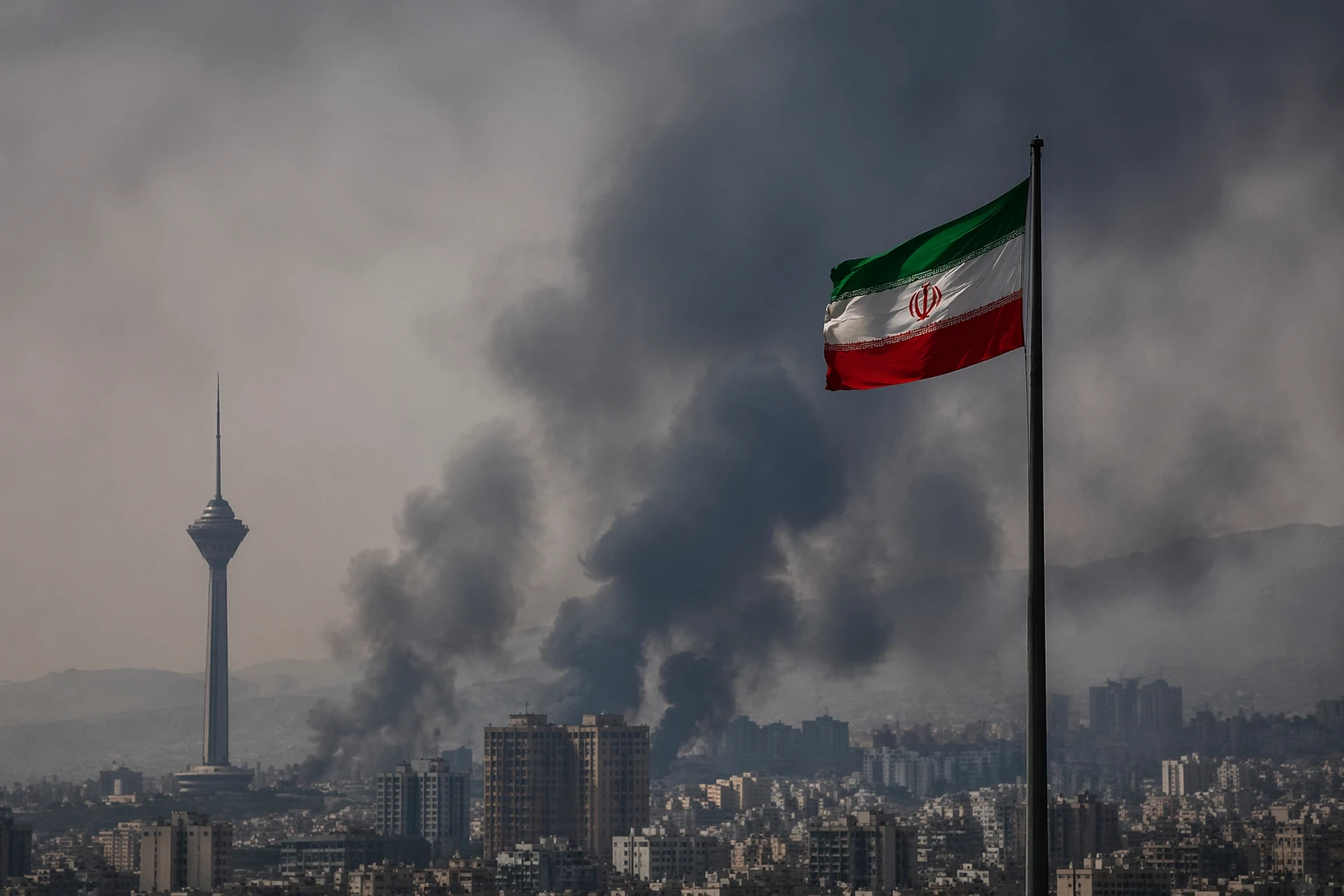
The talks began with a rare face-to-face meeting between U.S. and Iranian officials, a notable break from years of distance and suspicion. But the atmosphere around the negotiations remains hostile. CBS reporting said the effort is unfolding alongside threats tied to the Strait of Hormuz and continuing strikes between Israel and Hezbollah, a reminder that any setback in diplomacy could ripple well beyond Iran’s nuclear program and into shipping, energy markets and regional security.
Waltz has drawn the clearest line for the administration. He said the United States is “never going to take an approach of trust” with Iran, and argued that any agreement would need to be “verifiable and enforceable.” That language suggests the White House is not just seeking a deal, but trying to define one in a way that can survive political attacks from the right and skepticism from allies who have watched past agreements collapse.

Graham’s posture captured the tension inside the Republican camp. He said, “Let’s try a diplomatic solution. I think it’s going to fail.” His warning reflects a familiar split in Washington: support for talks in principle, paired with deep doubt that Tehran will accept the kind of restrictions and inspections that could satisfy U.S. hawks. Crow’s presence on the program gave Democrats a seat in a debate that is increasingly about more than Iran. It is about whether the United States is heading toward a negotiated limit on the crisis or another round of military escalation.
The domestic politics are just as charged. A CBS News poll found most Americans want the Iran war ended, but fewer believe the United States got a better agreement. That gap leaves the White House under pressure to show results quickly, while lawmakers weigh whether restraint, deterrence or force best protects U.S. interests. For now, the emerging consensus in Washington is not trust. It is verification, skepticism and a race against time.
Sources
- [1]cbsnews.com