US News
U.S.-Iran Talks in Pakistan End Without Breakthrough
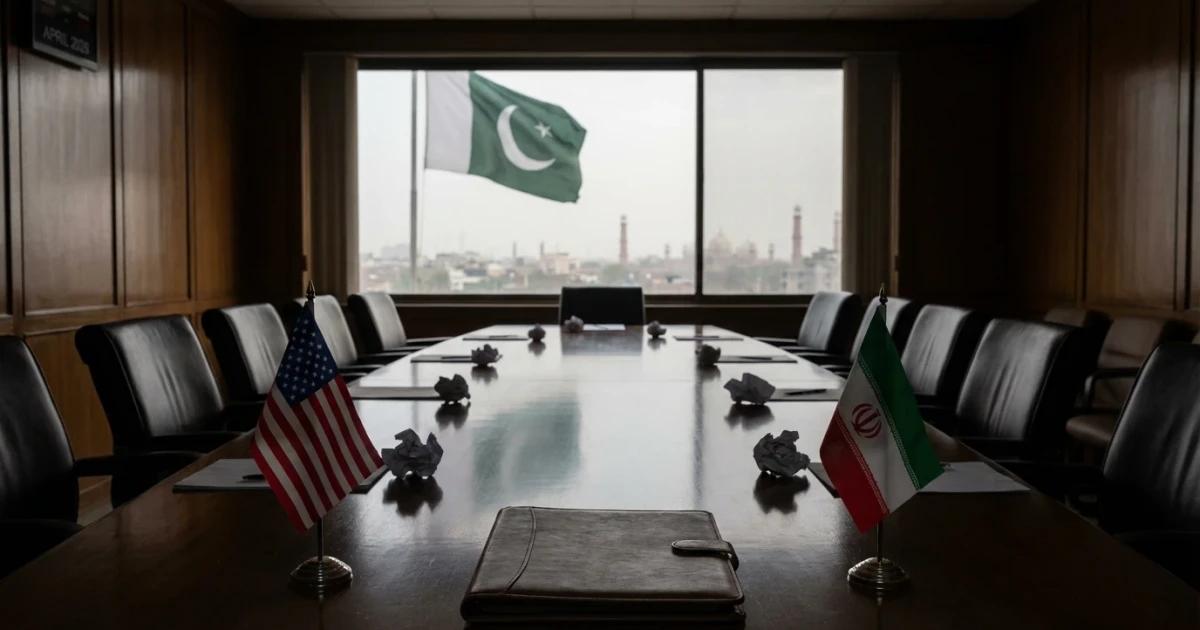
Marathon negotiations between the United States and Iran in Pakistan have ended without a breakthrough, leaving critical issues unresolved and regional tensions on edge. The talks, which marked a rare instance of direct engagement between the two countries, were closely watched by the international community for signs of progress on nuclear and security concerns.
Lengthy Negotiations Yield No Agreement
The Washington Post reported that despite hours of closed-door discussions, U.S. and Iranian officials were unable to reach an understanding on major points of contention. The talks, held in Pakistan, were described as "marathon" and underscored the deep divides that persist between the two sides. Key issues reportedly included Iran's nuclear program, regional security dynamics, and the ongoing conflict environment.
Regional Context and Stakes
The direct dialogue took place against the backdrop of heightened tensions in the Middle East, with the international community urging restraint and diplomatic engagement. The failure to reach a resolution prolongs uncertainty around Iran's nuclear program and the implementation of UN Security Council Resolution 2231, which outlines the framework for Iran’s compliance with the nuclear deal. Recent assessments from the U.S. State Department and the Stockholm International Peace Research Institute have highlighted ongoing concerns about enrichment levels and transparency.
- International Atomic Energy Agency data shows Iran’s enriched uranium stockpile continues to exceed agreed limits.
- The U.S. government maintains that Iran’s actions are inconsistent with prior arms control commitments.
Diplomatic Challenges and Next Steps
Diplomatic observers note that while direct talks are a significant step, the absence of tangible progress highlights the complexity of U.S.-Iran relations. Both sides face internal pressures and skepticism regarding the prospects for a negotiated settlement. The Washington Post’s live coverage emphasized that Senator J.D. Vance, present for the talks, confirmed the lack of agreement despite exhaustive negotiation efforts.
With no resolution reached, attention will likely shift to upcoming multilateral forums and the potential for renewed efforts by international mediators. The timeline of past proposals and negotiations underscores the cyclical nature of diplomacy in this arena, with intermittent breakthroughs often followed by setbacks.
Implications for Regional Security
The inability to resolve differences in the latest round of talks may contribute to ongoing insecurity across the Middle East. Analysts warn that without diplomatic progress, the risk of escalation remains high, especially given the contested status of Iran's nuclear activities. Data from the SIPRI Yearbook 2023 further contextualizes the regional arms balance and the potential for arms races if diplomacy stalls.
Looking Ahead
While the direct U.S.-Iran negotiations in Pakistan did not yield immediate results, they reflect continued engagement on critical global security issues. Future discussions, supported by international bodies and regional partners, may provide opportunities for renewed dialogue.
For now, the absence of an agreement prolongs strategic uncertainty and underscores the challenges facing diplomatic efforts to address Iran's nuclear program and broader regional security concerns. Stakeholders will be watching closely for any signs of renewed talks in the coming weeks.