World
US-Iran talks in Switzerland begin amid Lebanon fighting tensions
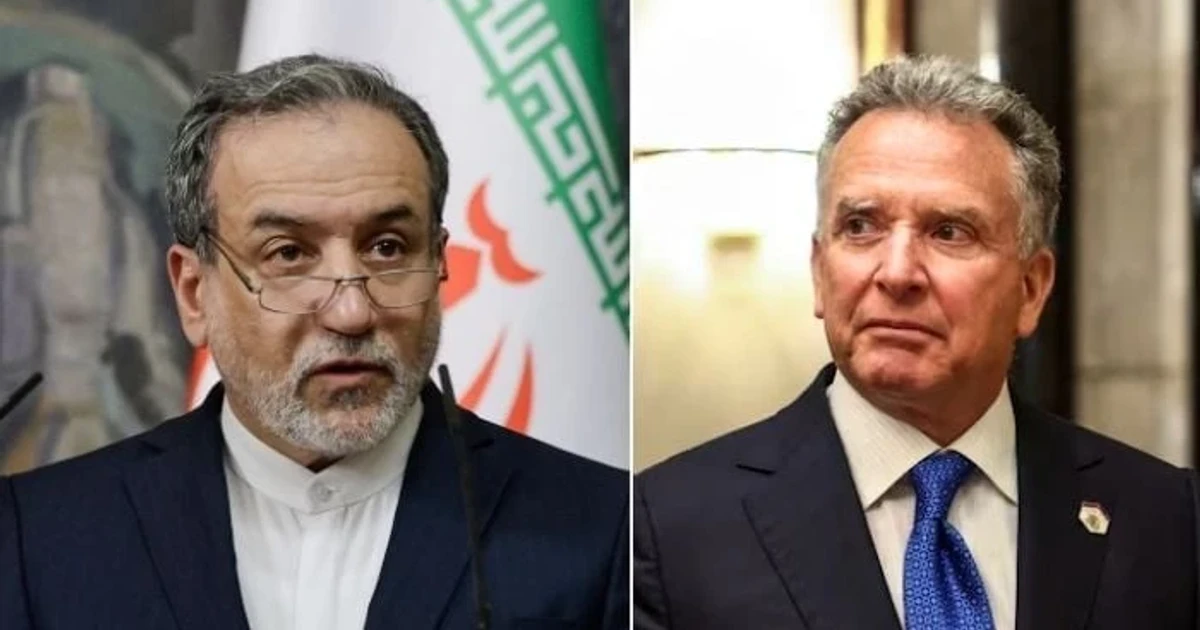
Negotiators were headed into Switzerland with little room for error and even less trust. White House envoy Steve Witkoff and Jared Kushner were reported already on the ground, Iranian Foreign Minister Abbas Araghchi was traveling there, and Pakistan said the technical-level U.S.-Iran round was expected to begin Sunday, June 21, even as a planned earlier signing meeting was postponed or did not go ahead.
The chaotic run-up matters because both sides need a floor before they can even argue over a framework. U.S. officials have framed the agenda around operational and technical details of a broader deal, while the hardest questions remain Iran’s nuclear program, Lebanon and the Strait of Hormuz. That combination leaves diplomacy exposed to a single escalation, and the fighting in Lebanon has already done that by threatening to derail the opening round before it could stabilize.
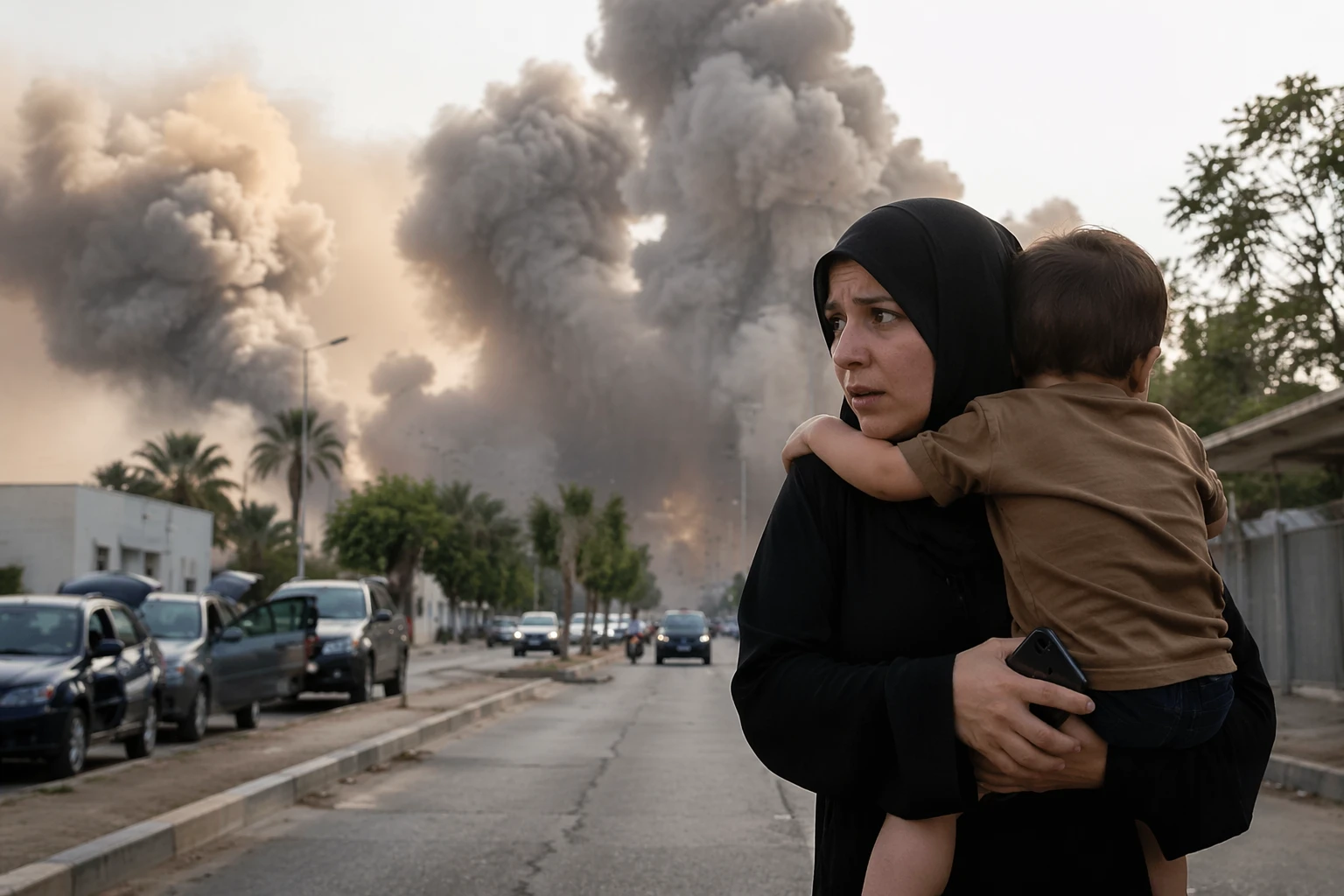
The pressure is not only diplomatic. Iran again announced it was closing the Strait of Hormuz, citing Israeli attacks in Lebanon and what it called U.S. bad faith. That threat raises the stakes far beyond the negotiating table because any disruption in the strait would ripple through global energy markets, push up fuel costs for Americans and heighten instability across the Middle East. The diplomatic value of a deal is clear, but so is the cost of failure.
Neither Washington nor Tehran appears eager to let the process collapse completely. Still, officials and diplomats expect a difficult negotiation shaped by mistrust, ceasefire violations and the possibility that any agreement could unravel quickly if violence in Lebanon continues. For the Trump administration, the political threshold is steep: it can test a limited framework and technical steps, but a concession that appears to concede too much on Iran’s nuclear program or regional posture would be hard to sell at home. Tehran faces its own red lines, especially after years of sanctions pressure and public threats against its security services and networks.
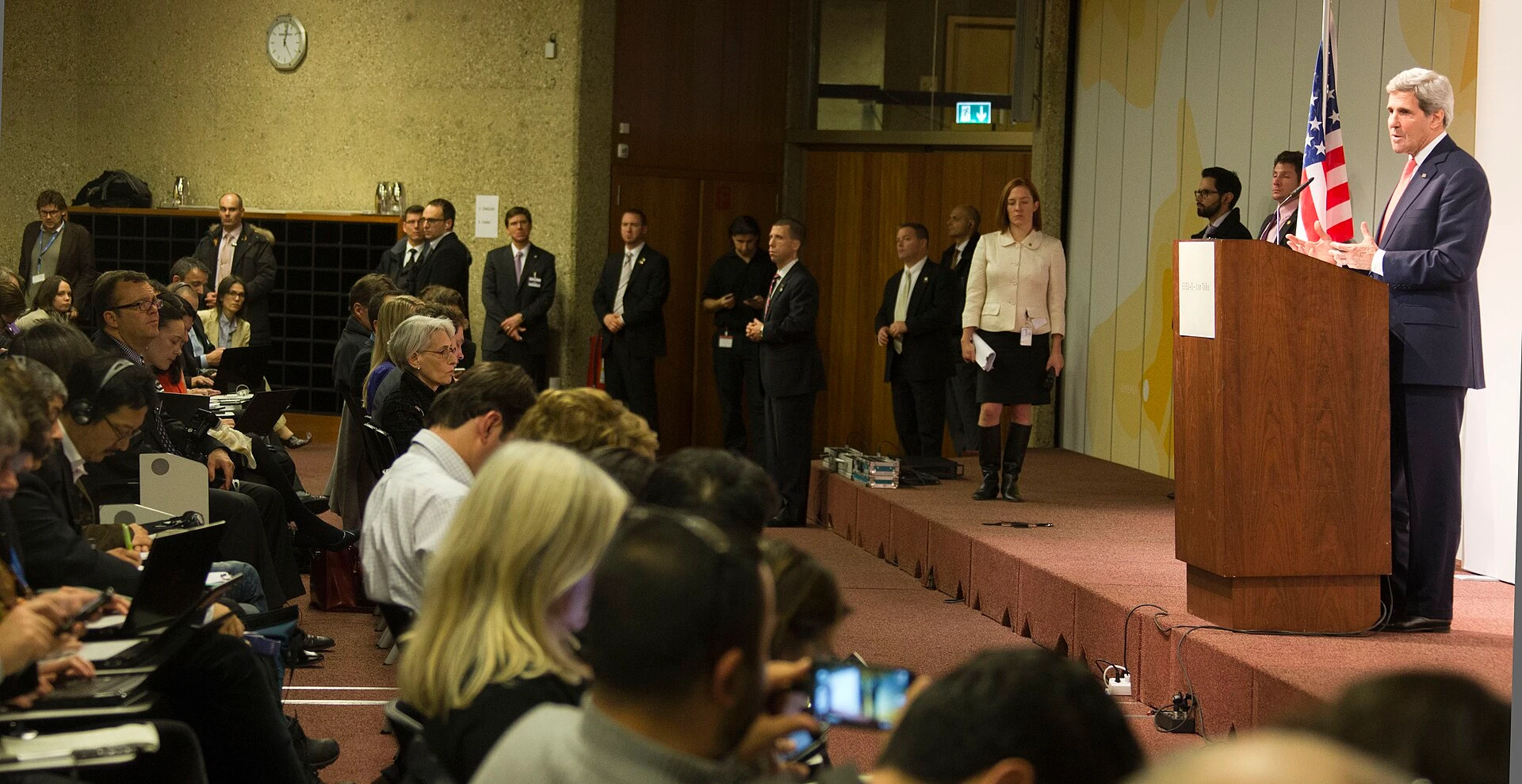
The broader backdrop is just as combustible. The United States and allies issued a June 10 joint statement condemning Iranian state threat activity in Europe, North America and Australia, underscoring how many fronts are feeding distrust at once. That is why the talks in Switzerland are more than another diplomatic meeting. They are a test of whether sustained indirect diplomacy can survive military pressure long enough to produce something concrete, or whether the region’s violence will swamp the first round before it even begins.
Sources
- [1]news.google.com
- [2]aljazeera.com
- [3]axios.com
- [4]state.gov
- [5]iranintl.com
- [6]washingtonpost.com
- [7]reuters.com