World
U.S.-Iran talks make positive progress as Navy searches for MH-60S crew
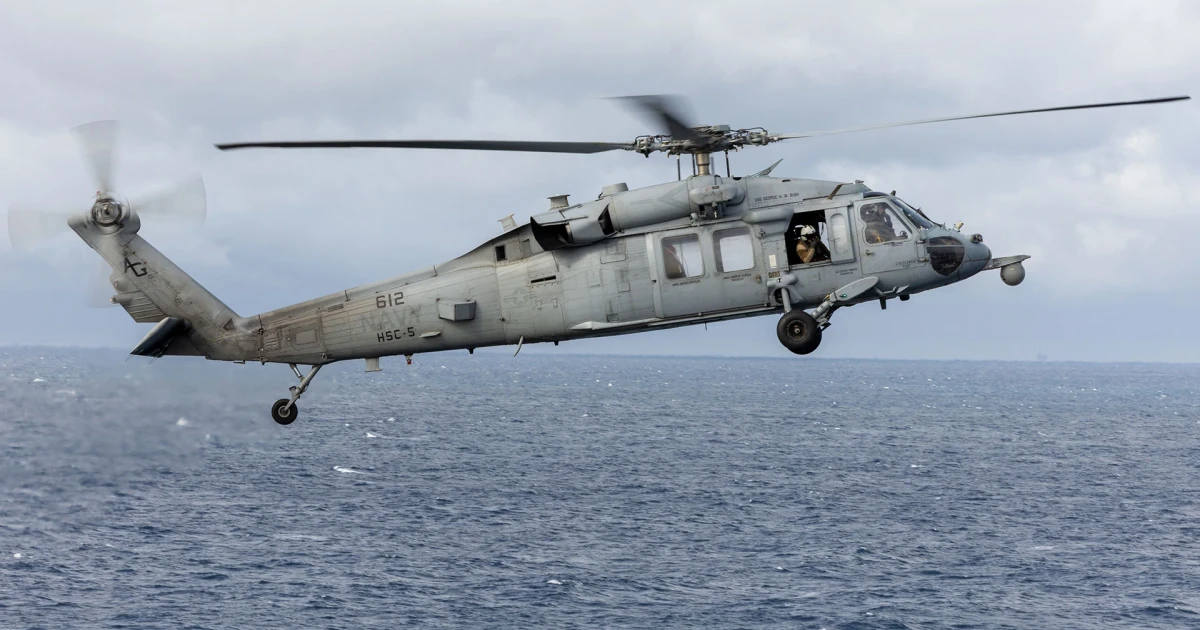
Indirect U.S.-Iran talks in Doha ended with “positive progress” as negotiators focused on the Strait of Hormuz, the narrow waterway that carries a large share of global oil shipments. The talks kept shipping security at the center of the agenda, even as the U.S. Navy searched for the crew of a missing MH-60S Seahawk.
The discussions were mediated in Qatar, with the State Department saying Pakistan and Qatar played important roles in getting the two sides back to the table. Washington said a memorandum of understanding with Iran was signed on June 17, and the Gulf Cooperation Council welcomed that understanding while urging negotiators to keep up the momentum toward a more durable end to hostilities. For U.S. officials, the immediate test is whether that political movement translates into safer passage for commercial shipping and fewer flashpoints for American forces tasked with protecting the lane.
The Strait of Hormuz remains the practical measure of success. If the talks produce anything lasting, it would mean fewer threats to tankers, less need for the U.S. military to maintain a constant crisis posture in the Gulf, and less risk that energy markets will react sharply to each new military or diplomatic warning. The United States, together with Bahrain and other Gulf partners, has also drafted a U.N. Security Council resolution aimed at defending freedom of navigation through the strait, underscoring how closely diplomacy and maritime security are now tied.
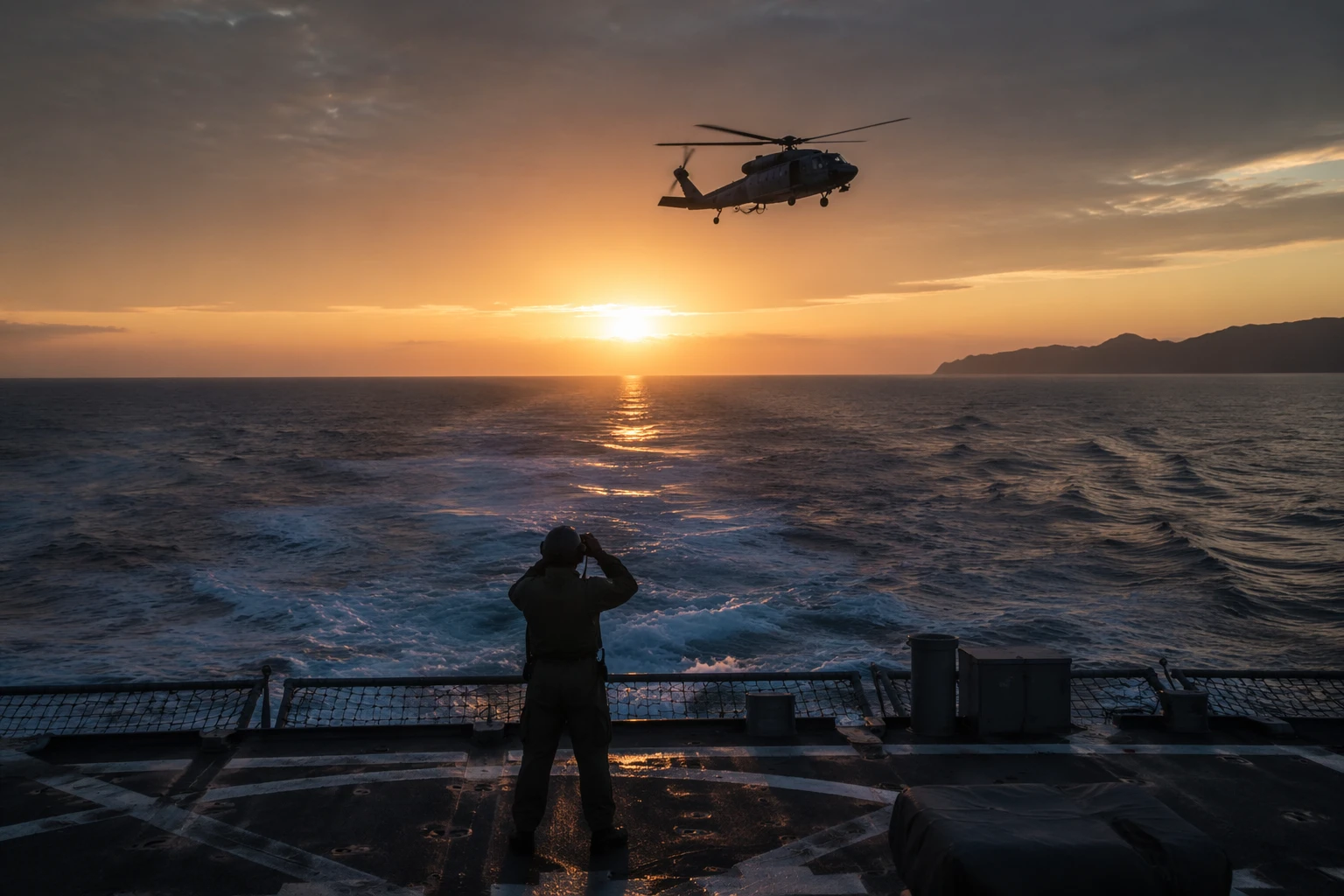
Tehran has kept its own red lines visible. Iran’s deputy foreign minister met Sheikh Khalifa bin Ali Al-Harthy, the Omani Foreign Ministry undersecretary, to discuss regional diplomacy and the principles governing passage through the strait, a reminder that Muscat remains an active back-channel alongside Doha. At the same time, Iran’s chief negotiator has said IAEA inspectors cannot visit nuclear sites bombed by the United States, leaving the scope of monitoring and access unresolved.
The Navy search adds a separate operational strain to an already crowded regional picture. The MH-60S Seahawk is a four-person helicopter used for combat search and rescue, medical evacuation, humanitarian disaster relief and airborne mine countermeasures. The service has previously recovered a downed MH-60S from 19,075 feet off Okinawa, Japan, a sign of how difficult any recovery effort can become when aircraft go down in deep water.
Sources
- [1]news.google.com
- [2]state.gov
- [3]navair.navy.mil
- [4]navy.mil
- [5]aljazeera.com
- [6]timesofisrael.com
- [7]iranpress.com