World
U.S.-Iran talks show early progress on nuclear inspections, war end hopes
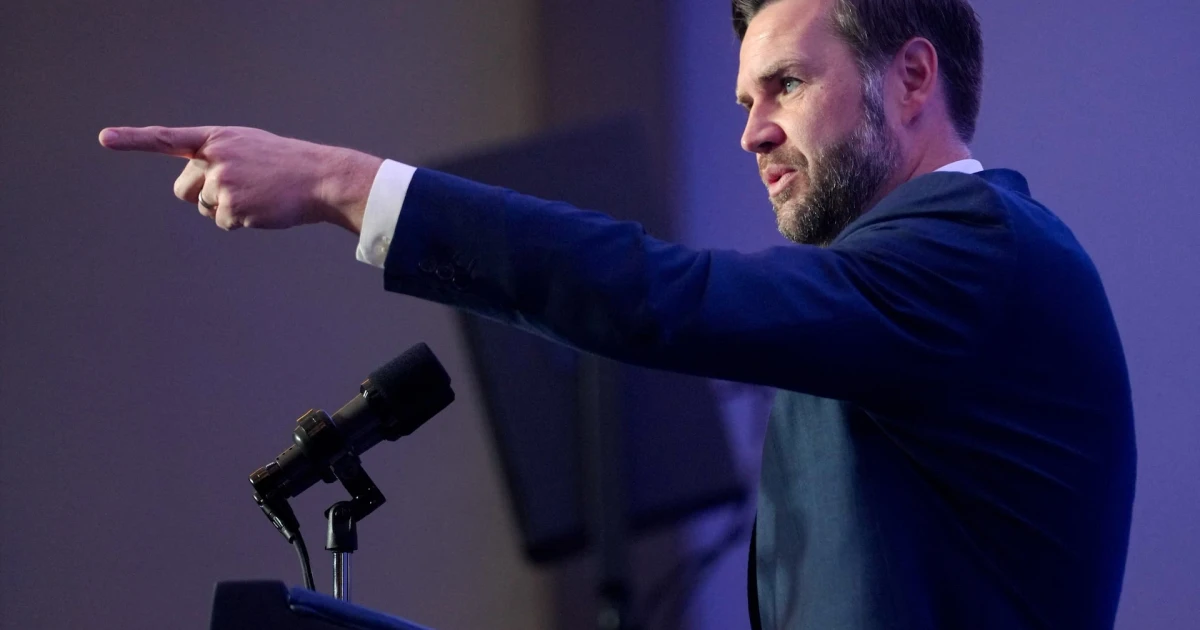
A first round of U.S.-Iran talks produced the clearest sign yet of movement on the nuclear issue, with Vice President JD Vance saying Iran would allow international inspectors back into the country after what he called a “very, very good” opening day. He also said the talks laid a “good foundation” to end the war, a strikingly upbeat message that sat alongside a far more difficult reality: no durable agreement has been announced, and the biggest disputes still hover over Iran’s nuclear program, the Strait of Hormuz and the broader security file.
That early optimism matters because Washington has spent months testing whether diplomacy can survive the pressure built up by force. On March 23, Iran received a U.S. message through mediators, a sign the two sides were probing channels before direct negotiations moved forward. Earlier, on March 1, President Donald J. Trump authorized Operation Epic Fury against Iran, underscoring that the talks began in the shadow of military confrontation rather than in a calm diplomatic window. The White House later said on June 19 that Trump and Vance had secured a “historic breakthrough” by signing a memorandum of understanding with Iran, a claim that goes well beyond what the first round of talks itself has publicly shown.
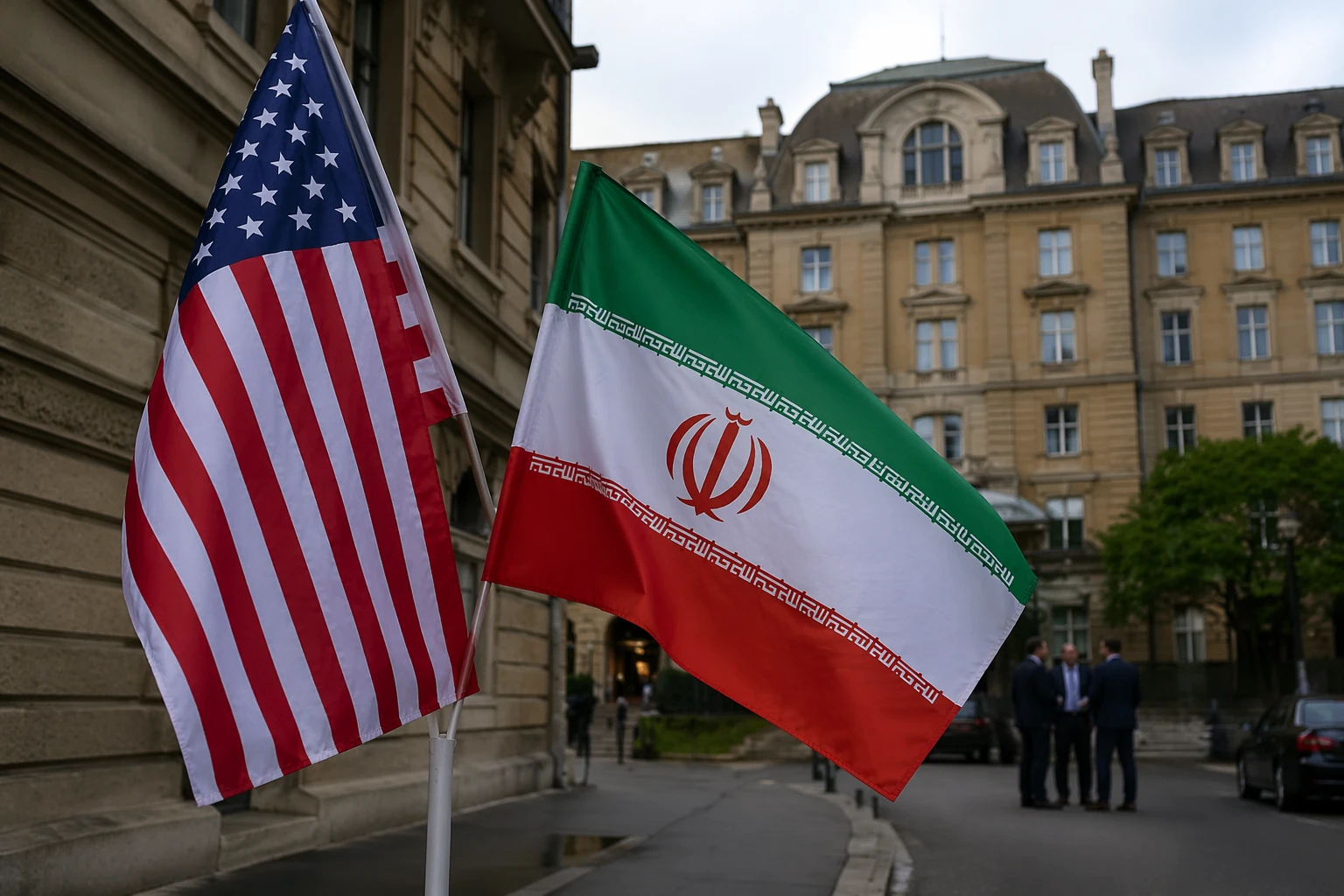
The scoreboard from round one is narrower than the rhetoric. The reported return of international nuclear inspectors would be a meaningful step if it holds, because inspection access is central to verifying any limits on Iran’s program. But Secretary of State Marco Rubio has described the effort as “a work in progress” and warned that the nuclear negotiations were a “very real, significant time limit of negotiation on the nuclear matter.” That framing suggests the administration sees the talks as urgent and fragile, not yet a completed deal.
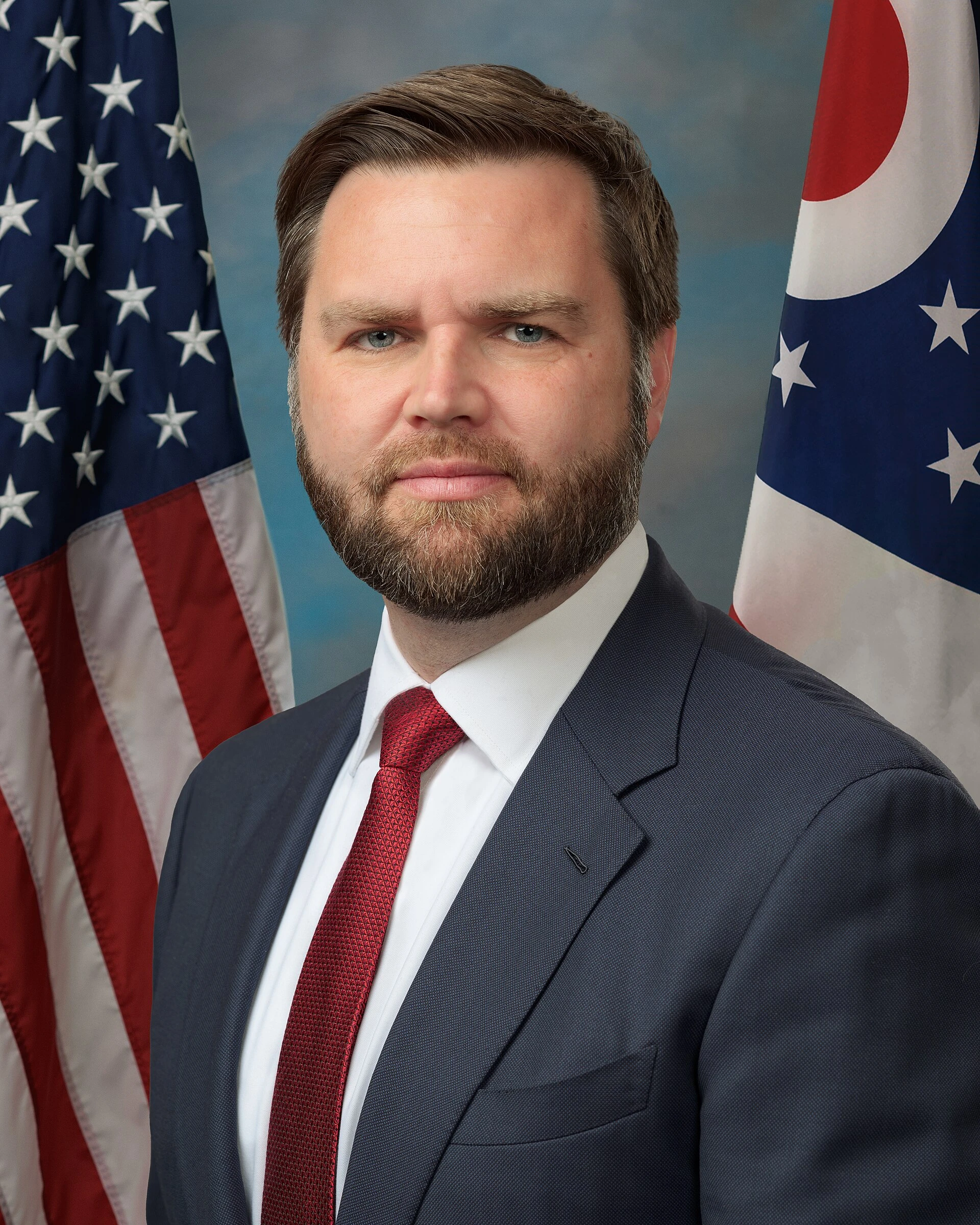
The wider context makes the stakes even higher. U.S. officials have linked the diplomacy to reopening the Strait of Hormuz and reaching a nuclear arrangement, while Trump has been publicly confident even as he remained frustrated with Tehran over the shipping choke point. At the same time, a June 10 State Department joint statement said multiple countries condemned Iranian state-threat activity in Europe, North America and Australia, a reminder that the talks are entangled with intelligence and security concerns far beyond the enrichment debate. For now, the first day in Switzerland looks like a start, not a settlement, and the real measure of progress will be whether inspectors return, constraints are written down and the rhetoric turns into enforcement.
Sources
- [1]cbsnews.com
- [2]whitehouse.gov
- [3]state.gov