World
U.S.-Iran talks stall as Israel-Hezbollah fighting continues in Lebanon
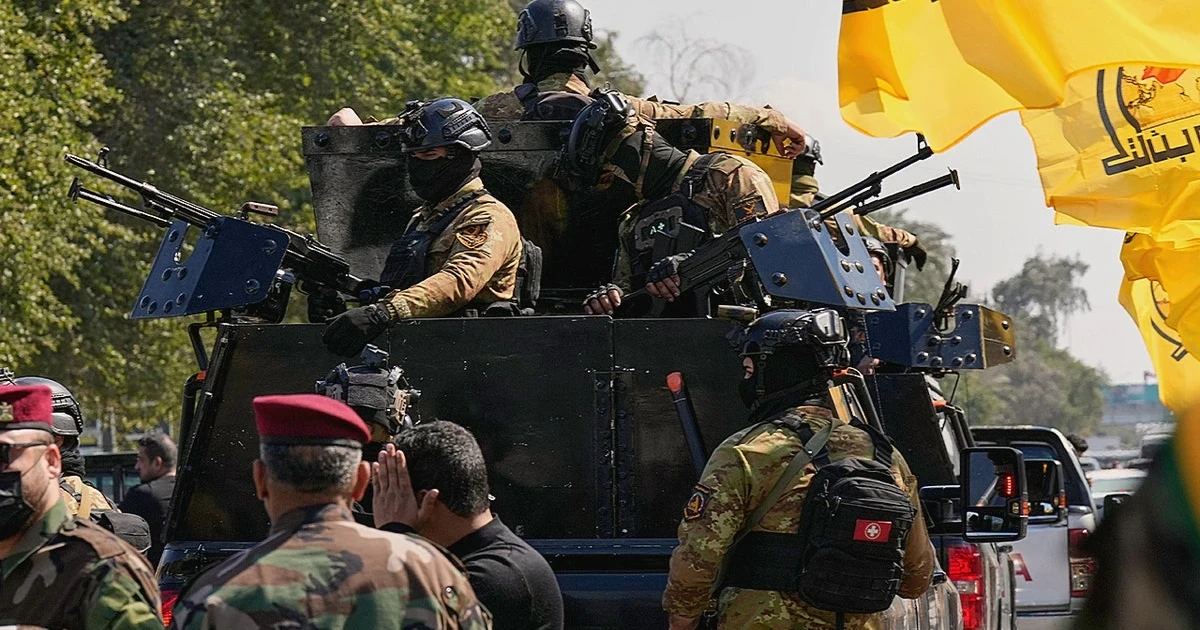
Israel’s latest strike on Hezbollah targets in Beirut’s southern suburbs showed how quickly battlefield escalation can collide with diplomatic talks aimed at reviving a U.S.-Iran deal. After Hezbollah fired projectiles into northern Israel, the exchange reinforced the central problem: every new round of fire in Lebanon makes it harder to separate regional ceasefires from broader negotiations with Tehran.
On June 4 in Washington, Israeli and Lebanese officials agreed to renew a ceasefire if Hezbollah stopped attacks and pulled back from parts of southern Lebanon, with another round of talks planned in about three weeks toward a comprehensive agreement. Hezbollah rejected the proposal, insisting on a full Israeli withdrawal, while Israel said it would continue operations in southern Lebanon. The arrangement was meant to slow the spiral in Lebanon, but it also tied the fate of the deal to conditions on the ground that remained unsettled.
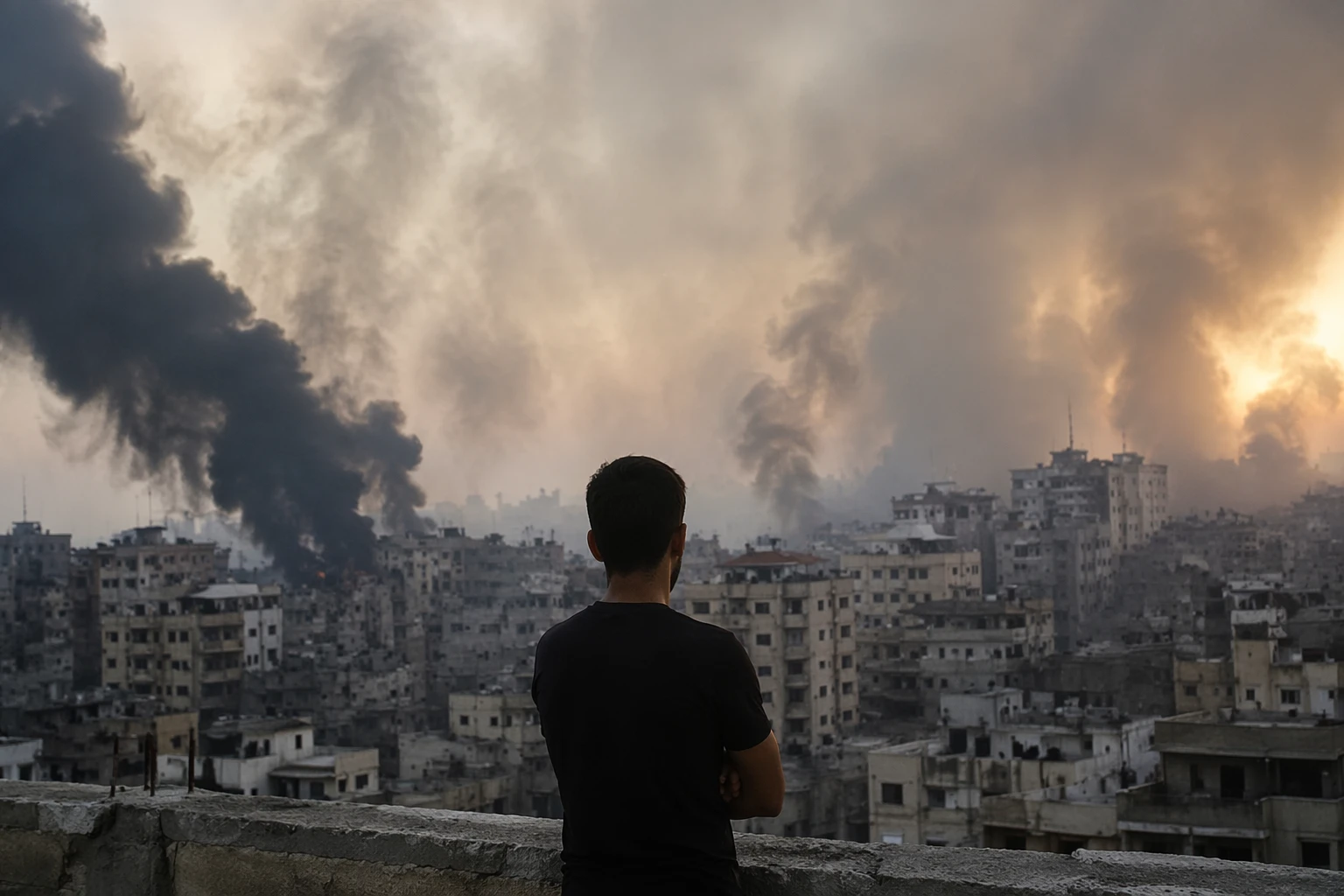
Iran’s Foreign Minister Abbas Araghchi said the same day that there had been “no tangible progress” in the U.S.-Iran talks and warned that an attack on Beirut would trigger a “full-scale resumption” of the U.S.-Iran conflict. Donald Trump said the talks were moving at a “rapid pace” and that “all shooting will stop” between Israel and Hezbollah, but Benjamin Netanyahu said Israel’s military would keep operating as planned in southern Lebanon. That gap between Washington’s public optimism and Israel’s military posture has become one of the clearest pressure points in the negotiations.
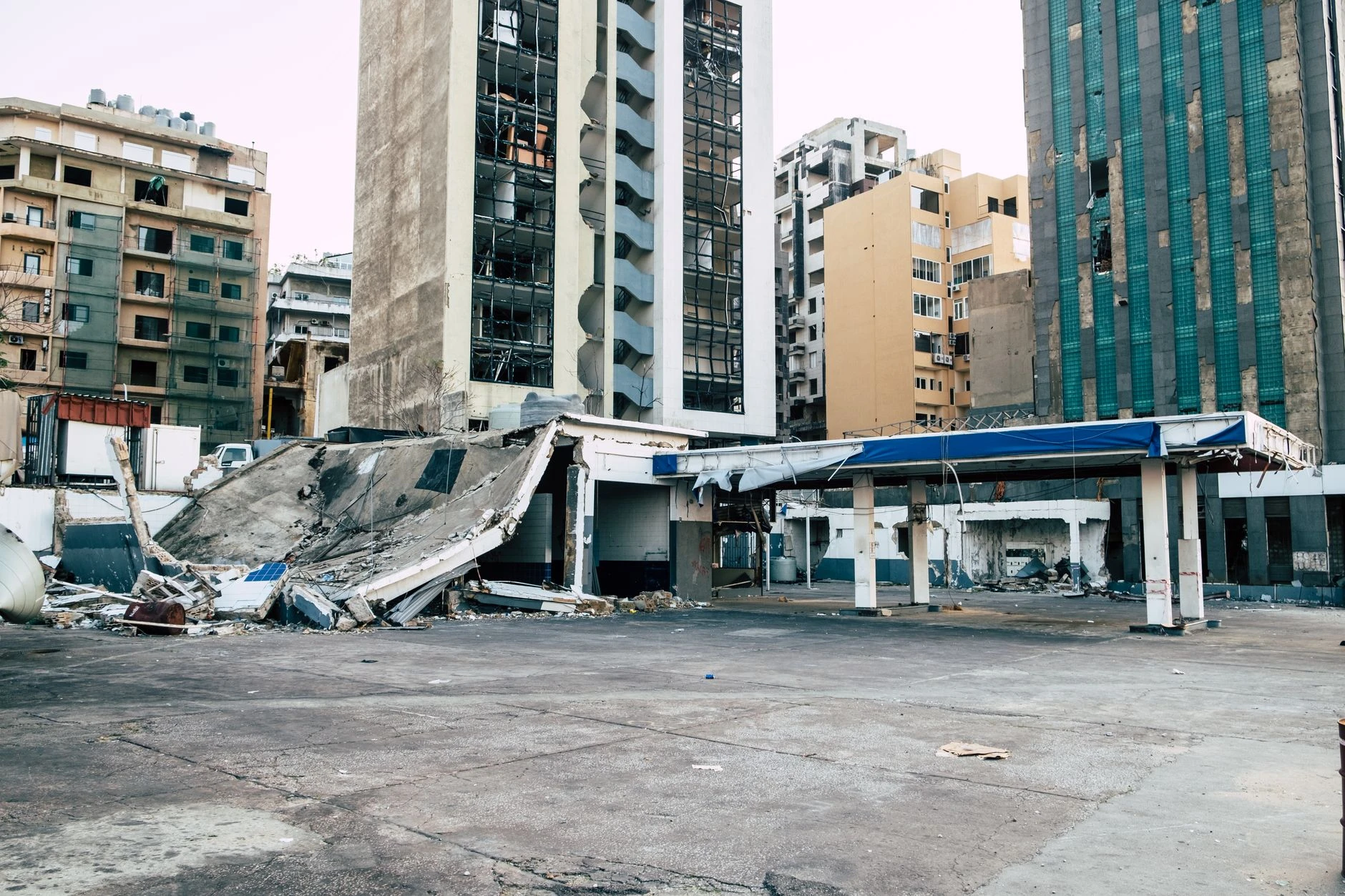
The stakes were already rising before the June 14 strike in Beirut. CBS reported 26 Israelis had been killed since hostilities resumed on March 2, 2026, and the United Nations has warned that the conflict is having a “devastating impact” on the global economy. Iran has also been pressing for any agreement with the United States to include a halt to Israeli bombing of Hezbollah and an Israeli withdrawal from southern Lebanon, while Hezbollah figures have said they expect Lebanon to be part of any arrangement Tehran reaches with Washington.
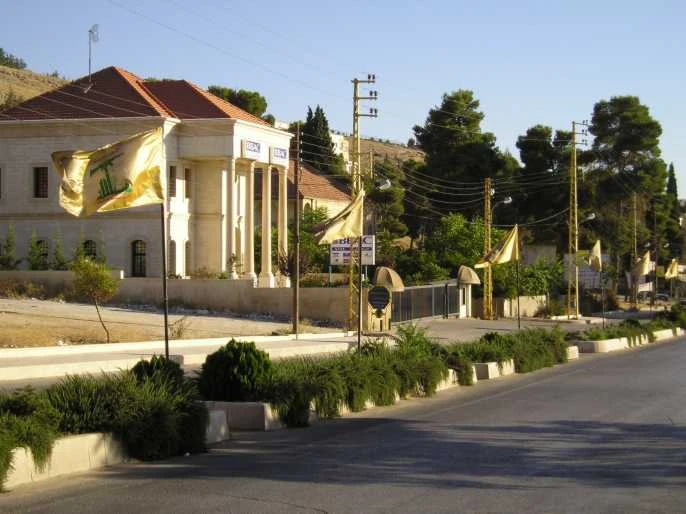
With trust between Washington and Tehran at an all-time low as Israel widened its offensive in Lebanon, the agreement now hangs on three linked questions: whether Hezbollah stops firing, whether Israel pauses its campaign in southern Lebanon, and whether U.S. diplomacy can hold together long enough to bridge the distance between them.
Sources
- [1]cbsnews.com
- [2]reuters.com
- [3]news.un.org