World
U.S.-Iran war ripples worldwide as oil prices and inflation shift
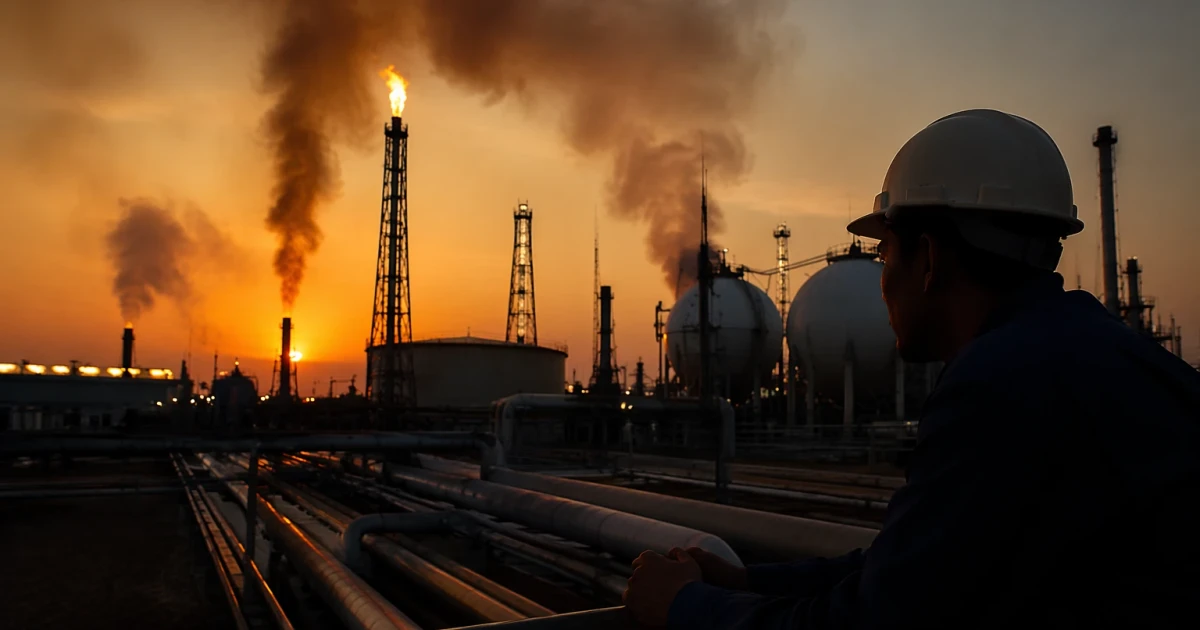
More than three months after the war between the United States, Israel and Iran began, the price tag is still spreading far beyond the battlefield. Oil and gasoline have started to cool after a tentative U.S.-Iran framework emerged to end the fighting and reopen the Strait of Hormuz, but economists say the damage to shipping, aviation and household budgets is not going away quickly.
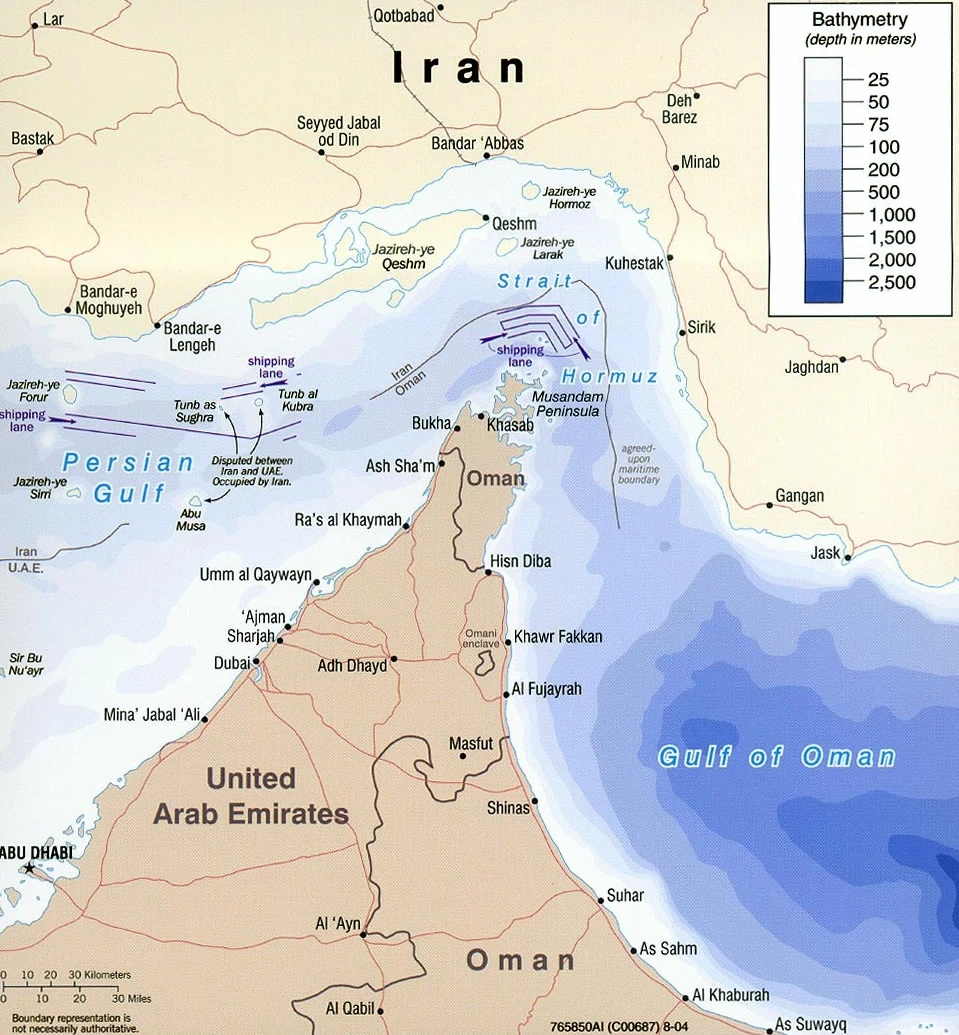
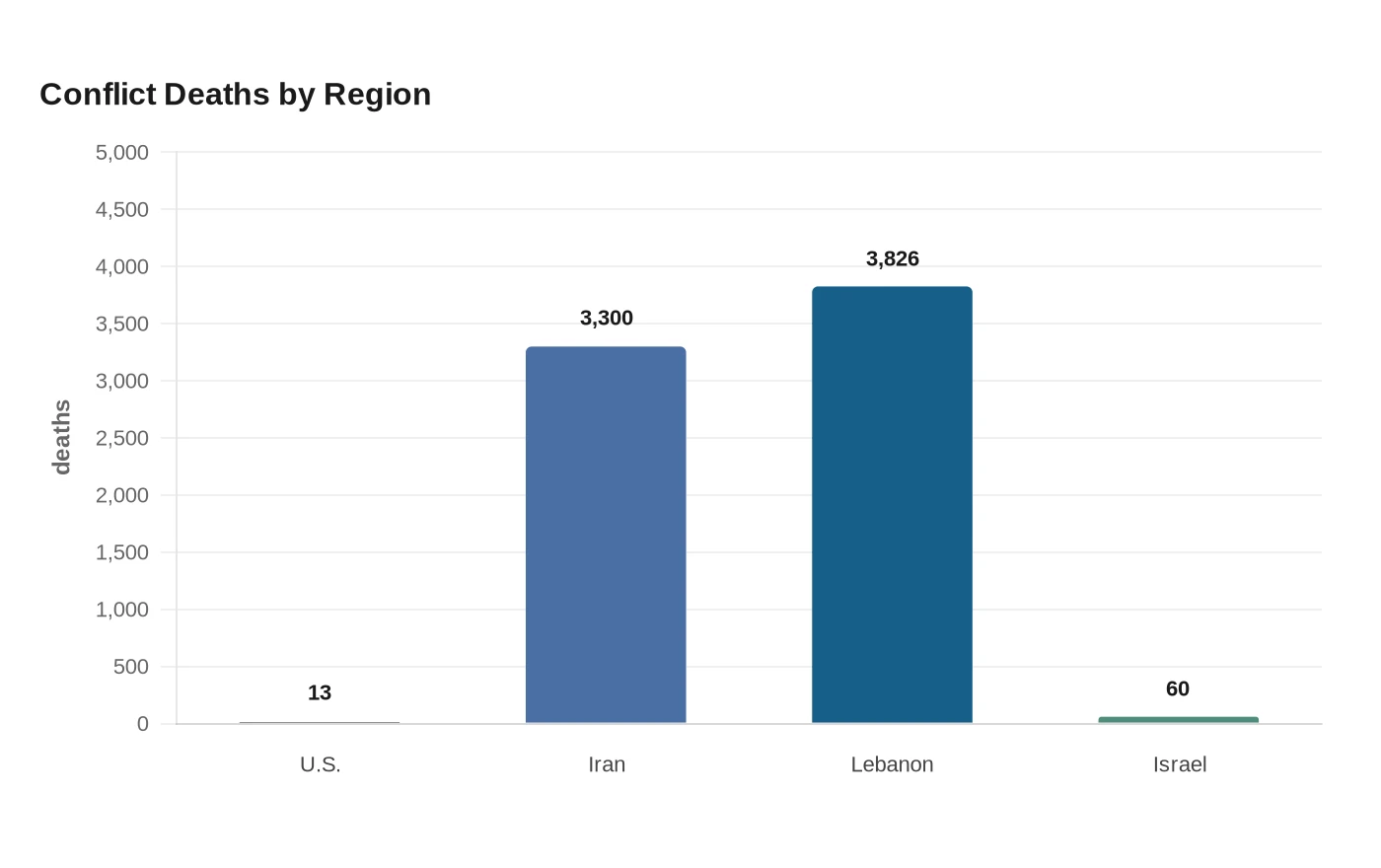
The conflict began on February 28, 2026, and by mid-June it had already left 13 U.S. service members dead, more than 3,300 Iranians dead, 3,826 dead in Lebanon, nearly 60 dead in Israel and dozens more killed across Gulf states. The tentative deal to reopen the Strait of Hormuz matters because the narrow waterway is a crucial artery for global oil exports, and even a short disruption can ripple through fuel markets well outside the Middle East.
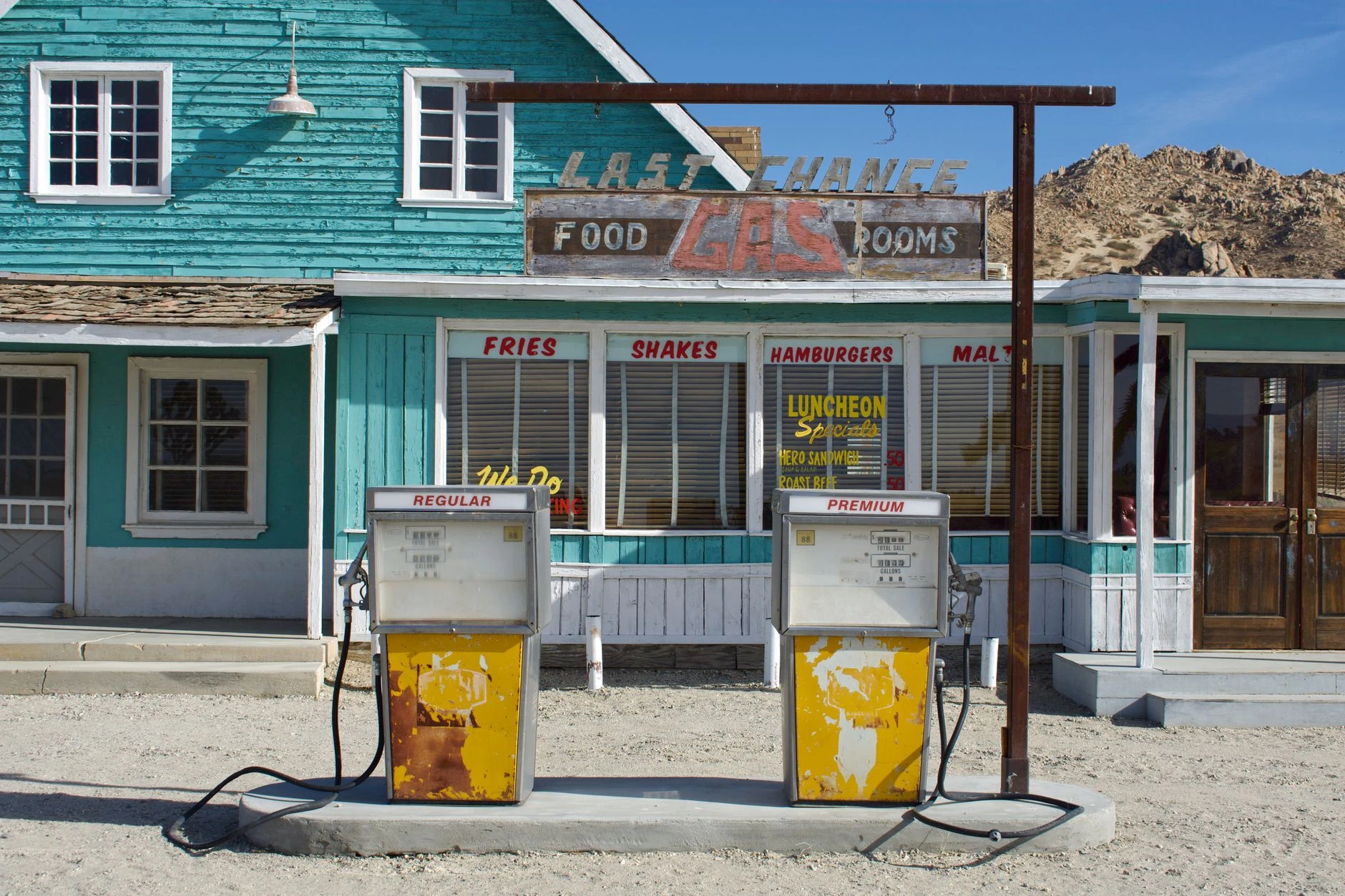
Those ripples have been visible in the United States, where motorists burn roughly 360 million to 380 million gallons of gasoline each day, according to the Energy Information Administration. Wholesale gasoline and crude prices fell after the preliminary ceasefire framework, and retail gas prices have followed lower. But economists and industry analysts warn that the relief may be temporary and incomplete, with higher costs for gas, groceries and flights likely to linger even after oil starts moving more freely again.
The strain has also hit the aviation sector. On June 7, the global airline industry nearly halved its 2026 profit forecast because of fuel costs tied to the Middle East conflict, underscoring how fast a regional war can weaken balance sheets far from the front lines. Shipping and insurance markets have faced similar pressure, as traders price in the risk that the Strait of Hormuz could remain unstable even if ceasefire talks continue.
The Federal Reserve is now facing a more complicated outlook. A June poll of economists found a strong majority expected the central bank to hold interest rates for the rest of 2026 because war-driven inflation was still proving sticky, and interest-rate futures even priced in at least one hike by year-end. That leaves incoming Federal Reserve chief Kevin Warsh with a difficult hand: stabilize prices without choking off growth while the war’s aftereffects continue to work through oil markets, transportation costs and regional security. Even if the shooting stops, the bill from this war will keep arriving in slower, costlier ways.
Sources
- [1]npr.org
- [2]wusf.org
- [3]apnews.com
- [4]msn.com
- [5]latimes.com