US News
U.S.-Iran War Sparks Global Debate and Isolation
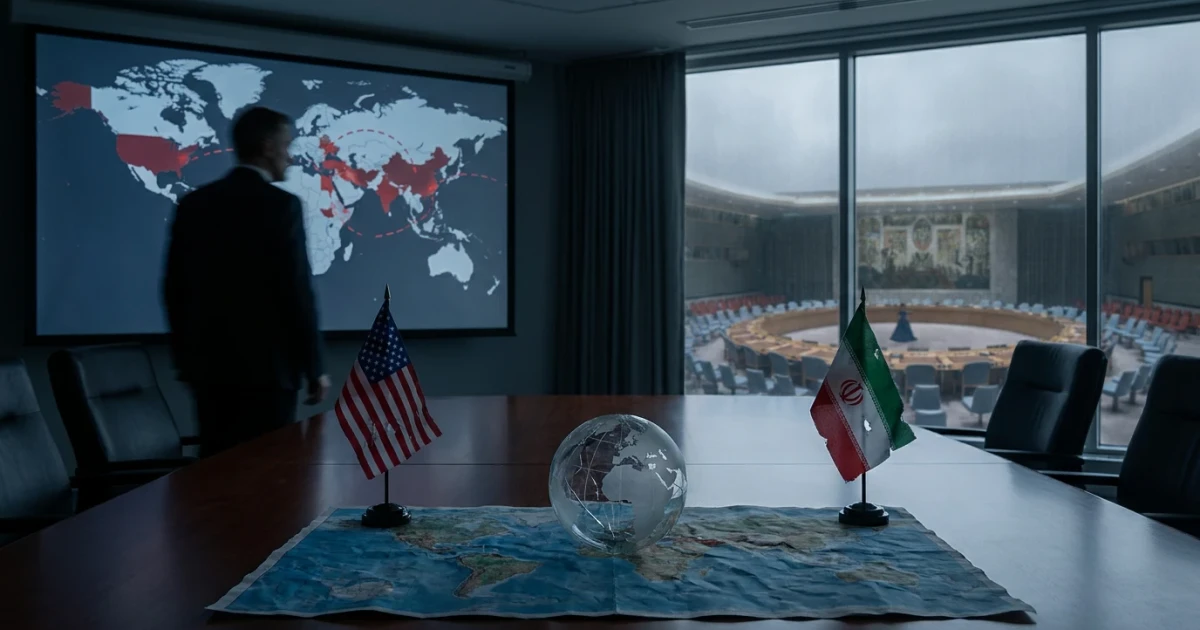
The United States’ military intervention in Iran has triggered a wave of global debate, with some commentators portraying the action as a positive force, while others warn it is accelerating America’s growing isolation from the international community.
Contrasting Narratives: 'Gift to the World' vs. Global Backlash
In a televised segment reported by PBS, media personality Pete Hegseth described the U.S. war in Iran as a "gift to the world," framing the intervention as a decisive effort to confront Iranian aggression and promote stability. This perspective aligns with a view held by certain U.S. policymakers and commentators who argue that military action is necessary to deter Iran’s support for regional militancy and its nuclear ambitions. Hegseth's remarks reflect a school of thought that sees U.S. military engagement abroad as a means to advance global security and American values.
By contrast, Politico highlights the war’s impact on America’s standing internationally, reporting that the conflict is accelerating the breakup between the U.S. and key global partners. According to Politico’s analysis, the war has intensified criticism from both allies and rivals, with many nations questioning the legitimacy and long-term consequences of the intervention. This backlash is contributing to a widening gulf between the U.S. and much of the world, underscoring concerns over unilateral military actions and their effects on global stability.
International Response and Diplomatic Fallout
- Several European governments have issued statements expressing concern about the escalation, urging restraint and renewed diplomacy. These reactions suggest a growing reluctance among traditional allies to support U.S. military strategies in the Middle East.
- China and Russia have condemned the intervention, calling for adherence to international sanctions and protocols related to Iran’s nuclear program.
- The United Nations Security Council has convened emergency sessions to address the conflict, with member states divided over calls for ceasefire and accountability.
These developments are consistent with broader trends documented in reports from organizations such as the Congressional Research Service, which have noted that U.S. military interventions often strain alliances and complicate diplomatic relations.
Public Opinion and Strategic Consequences
Global public opinion is also shifting. Surveys from the Pew Research Center indicate declining support for U.S. foreign policy in many countries, with skepticism about the effectiveness and motives behind military actions in the Middle East. Politico’s report underscores that America’s perceived isolation is not just political, but increasingly cultural and economic, as foreign governments and populations reassess their ties to the United States.
Meanwhile, proponents of the war, as highlighted by PBS, argue that the intervention is necessary to counter Iran’s growing military capabilities. Data from the SIPRI Arms Transfers Database shows Iran’s significant investments in conventional weaponry and support for proxy groups, fueling concerns about regional instability.
Key Points from Both Perspectives
- Supporters view the war as essential for global security and a deterrent to Iranian aggression.
- Critics see the conflict as hastening America’s diplomatic isolation and undermining international norms.
- Allies are increasingly hesitant to back U.S. actions, signaling a shift in global power dynamics.
- Public opinion abroad is becoming more skeptical of American interventions.
Looking Ahead: Uncertain Future for U.S. Diplomacy
The U.S.-Iran conflict is not just a military engagement, but a flashpoint in a larger debate about America’s role in the world. As PBS and Politico illustrate, the war is viewed by some as a necessary response to threats, and by others as a catalyst for global estrangement. The long-term effects on U.S. alliances, international cooperation, and regional stability remain uncertain, with analysts warning that the trajectory of American foreign policy may be fundamentally altered.
With diplomatic channels strained and international opinion divided, policymakers face complex decisions about the future course of the conflict and the United States’ place in the global order. For readers looking to delve deeper into the data behind these trends, resources like the Congressional Budget Office’s analysis of U.S. military operations and the RAND Strategic Competition report offer valuable context.