World
U.S.-Israel strikes on Iran spark regional war and market shock
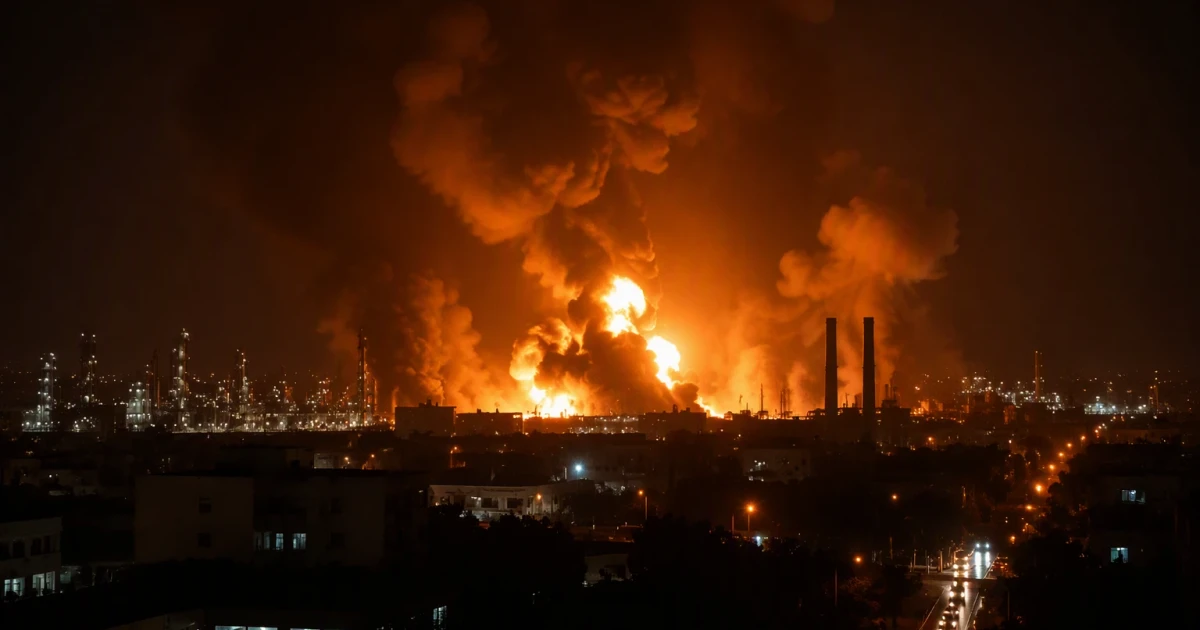
U.S. and Israeli forces attacked Iran on Feb. 28, beginning a war that quickly moved beyond its opening strikes and into shipping lanes, neighboring states and global markets. Donald Trump said the campaign would likely last several weeks, while later U.S. and regional fighting widened the conflict and drove up oil and gas prices.
The first strikes hit Iran’s leadership as well as its military and nuclear infrastructure, and later accounts said Ayatollah Ali Khamenei was killed in the assault. Trump later cast the operation as a bid to destroy Iran’s nuclear program and force regime change, turning what began as a joint military campaign into a direct challenge to the Iranian state. In Tehran, the loss of the supreme leader became the clearest sign that off-ramps had failed early.
The war’s next major escalation came at sea. The Strait of Hormuz, through which a large share of global oil and gas flows, became a central flash point as attacks were reported on ships and Iranian forces moved against U.S. and allied targets near the waterway. AP timeline items said Iran attacked three ships in the strait, and U.S. forces responded by intercepting Iranian attacks on three Navy ships and striking Iranian small boats and mine-laying vessels. That maritime front deepened fears in Gulf countries, including the United Arab Emirates and Oman, and sent energy prices sharply higher.
The fighting then spread across the region, drawing in Iran’s allies and neighboring states. Later tallies reported more than 900 people killed by Israeli and American strikes, 11 deaths in Israel from Iranian fire and six U.S. soldiers killed in a strike on a makeshift operations center in Kuwait. Exchanges involving Lebanon, Iraq and other fronts underscored how quickly the conflict had outgrown the original strike package.
The roots of the war reached back to Iran’s 1979 Revolution and the exposure of its nuclear program in 2002, when decades of mistrust hardened into a recurring clash over missiles, proxies and regional power. That long arc framed the debate in Washington over whether Trump had effectively declared war without congressional approval, while direct talks involving Abbas Araghchi and U.S. officials in Switzerland pointed to efforts to stop the fighting even as the Strait of Hormuz remained volatile.
Sources
- [1]nytimes.com
- [2]apnews.com
- [3]cfr.org
- [4]bbc.com
- [5]understandingwar.org
- [6]abcnews.com