World
US, Japan and allies reject China’s South China Sea claims
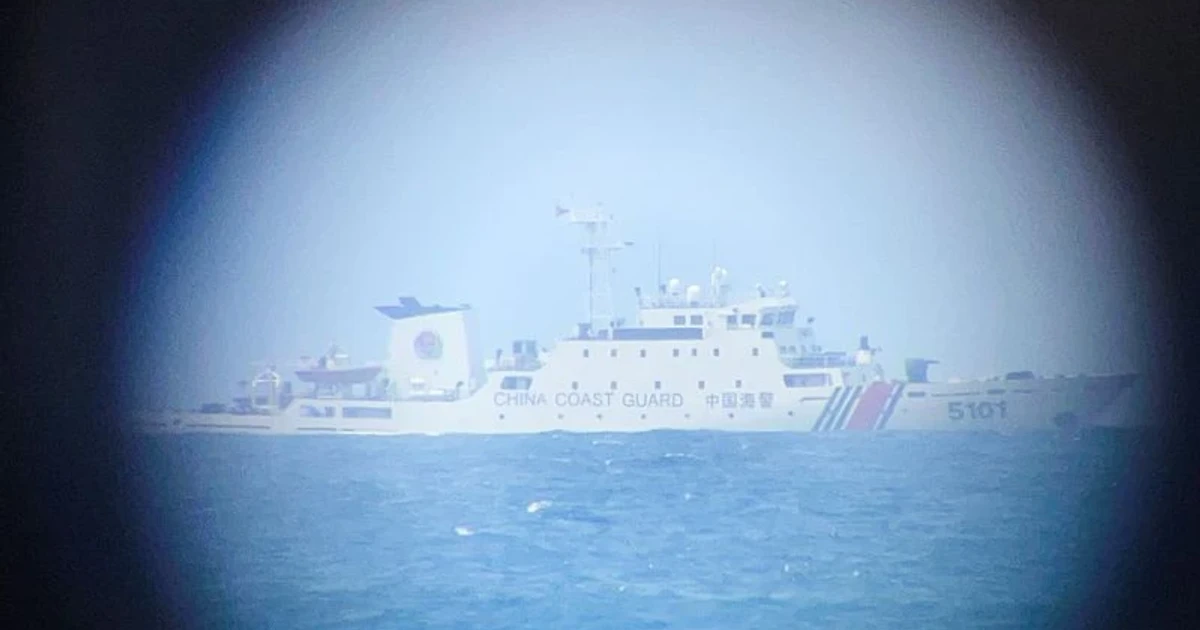
The United States, Japan, the Philippines and 11 other governments issued a joint statement on Sunday rejecting China’s expansive South China Sea claims and backing the 2016 tribunal ruling that Beijing has long denounced. Published by the U.S. Department of State and Global Affairs Canada, the statement marked the 10th anniversary of the award and put 14 signatories on record in one coordinated move.
The list was broad: Australia, Canada, Estonia, Germany, Italy, Japan, Latvia, Lithuania, New Zealand, the Philippines, Romania, Slovenia, the United Kingdom and the United States. That kind of alignment matters because the South China Sea is not only a legal dispute, but a corridor carrying more than $3 trillion in trade each year. In a waterway that busy, the difference between paper support and real deterrence lies in whether states keep showing up in contested areas, coordinate patrols and make clear they will not let repeated enforcement actions normalize new facts at sea.
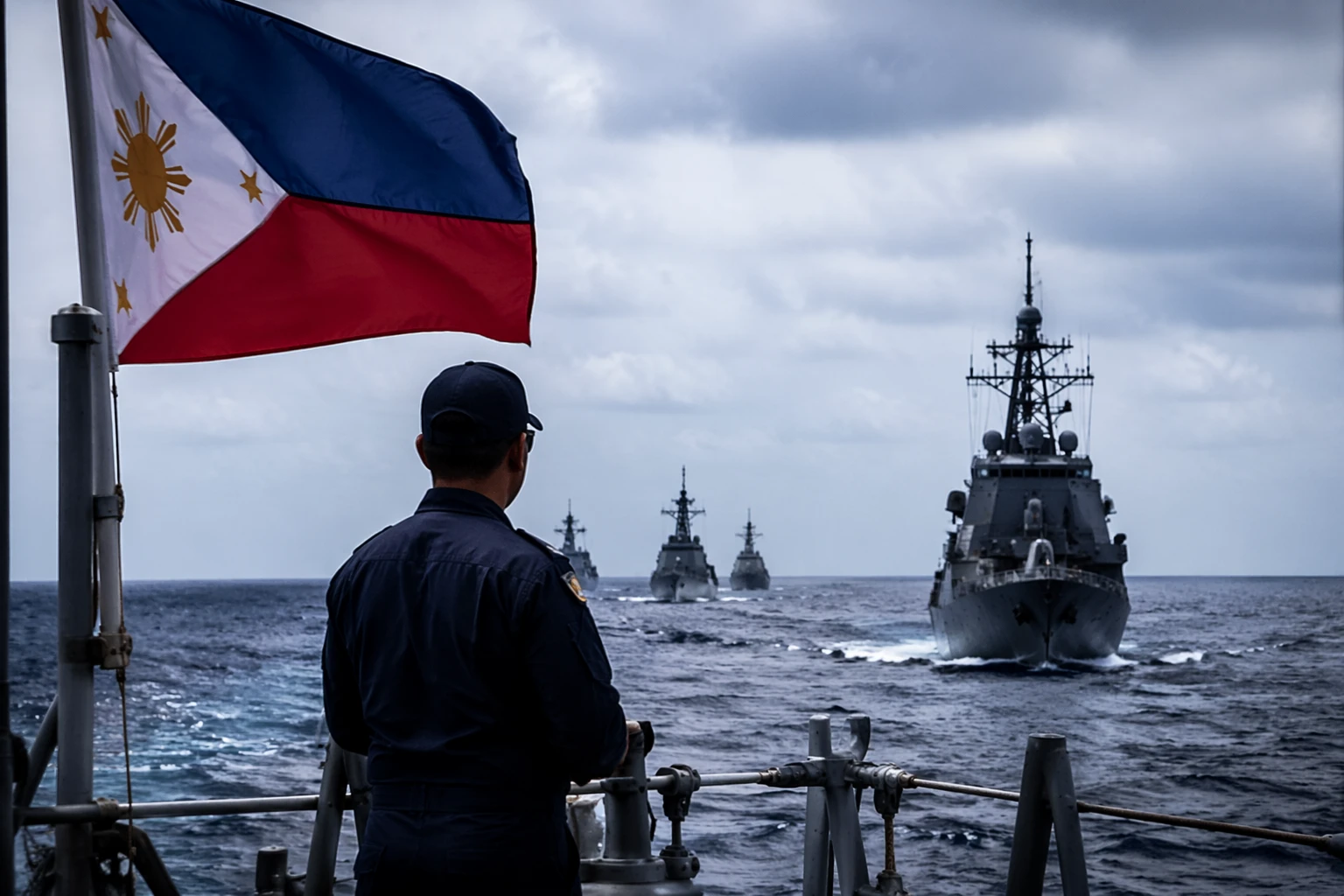
The legal anchor is the July 12, 2016 arbitral award issued under Annex VII of the United Nations Convention on the Law of the Sea. The tribunal rejected China’s nine-dash line and found that China’s historic-rights claims inside it were contrary to UNCLOS. Philippine and U.S. government summaries say the ruling also clarified that many of China’s maritime claims exceeded what UNCLOS allows, and that the convention remains the governing framework in the South China Sea.
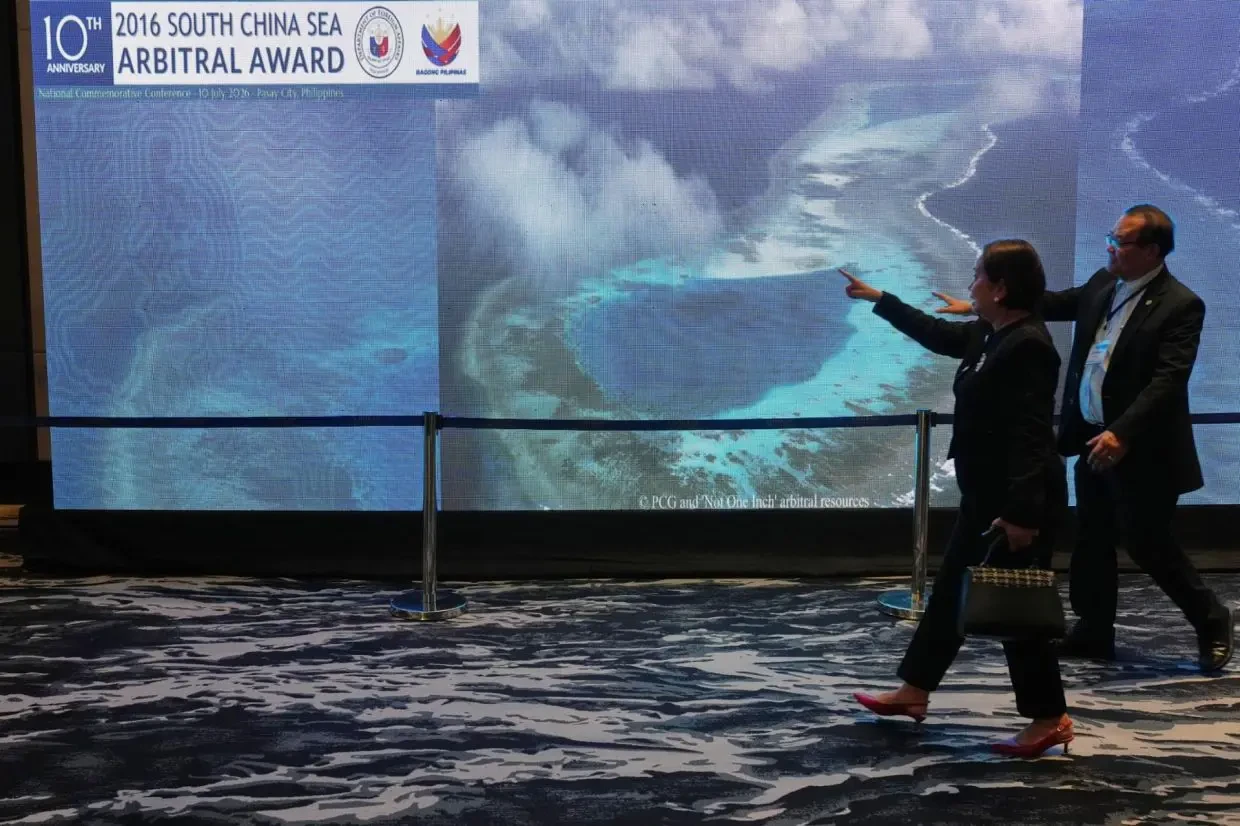
Beijing has refused that outcome from the start. The Chinese Foreign Ministry again dismissed the award as invalid and null and void, reiterated China’s sovereignty claims and blamed outside powers, including the United States, for intensifying military deployments in the region. Chinese state media said Beijing summoned the chief minister of Japan’s embassy in protest over Japan’s remarks and the joint statement, a sign that anniversary diplomacy is colliding with a dispute that remains active on the water.
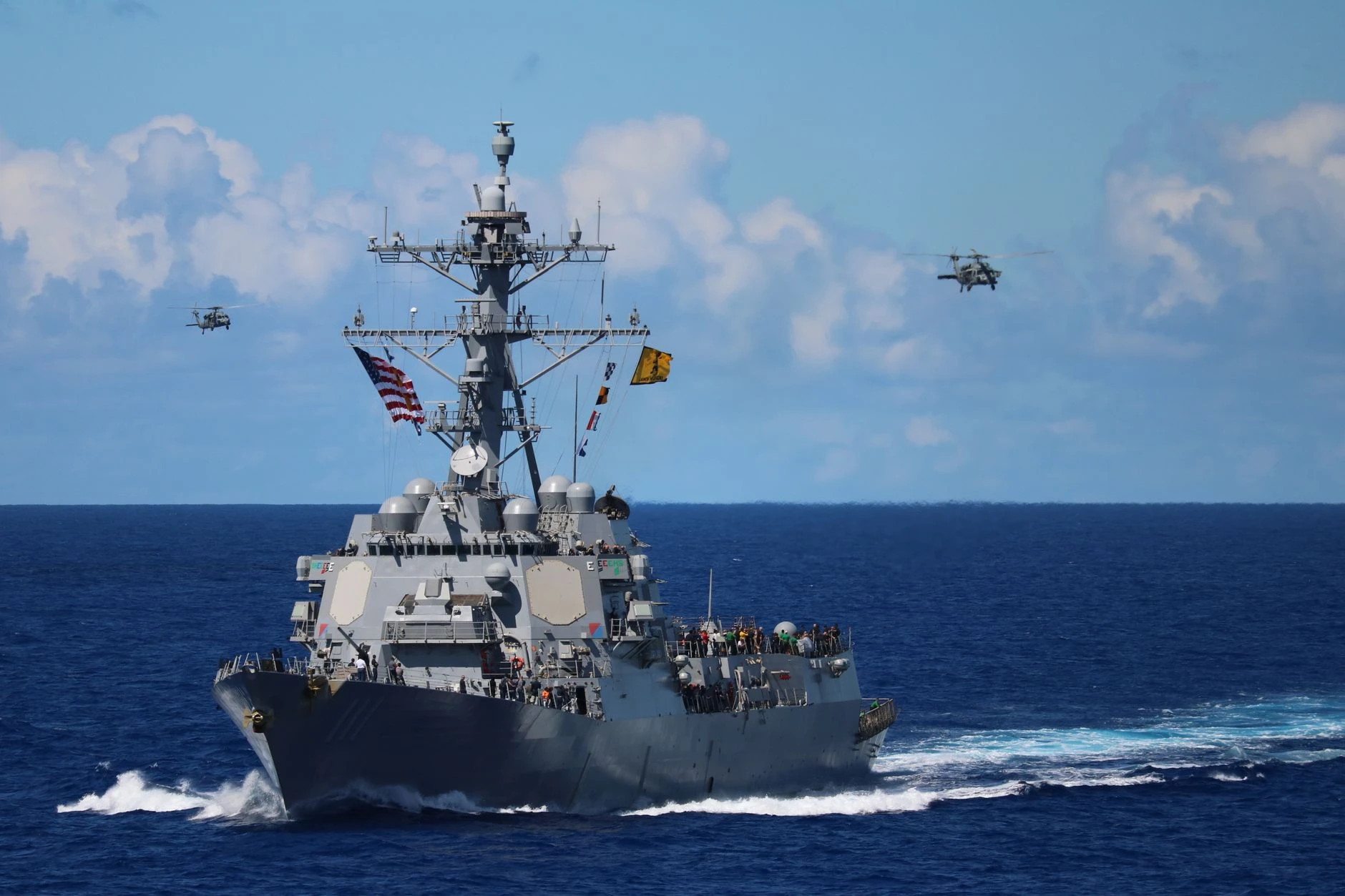
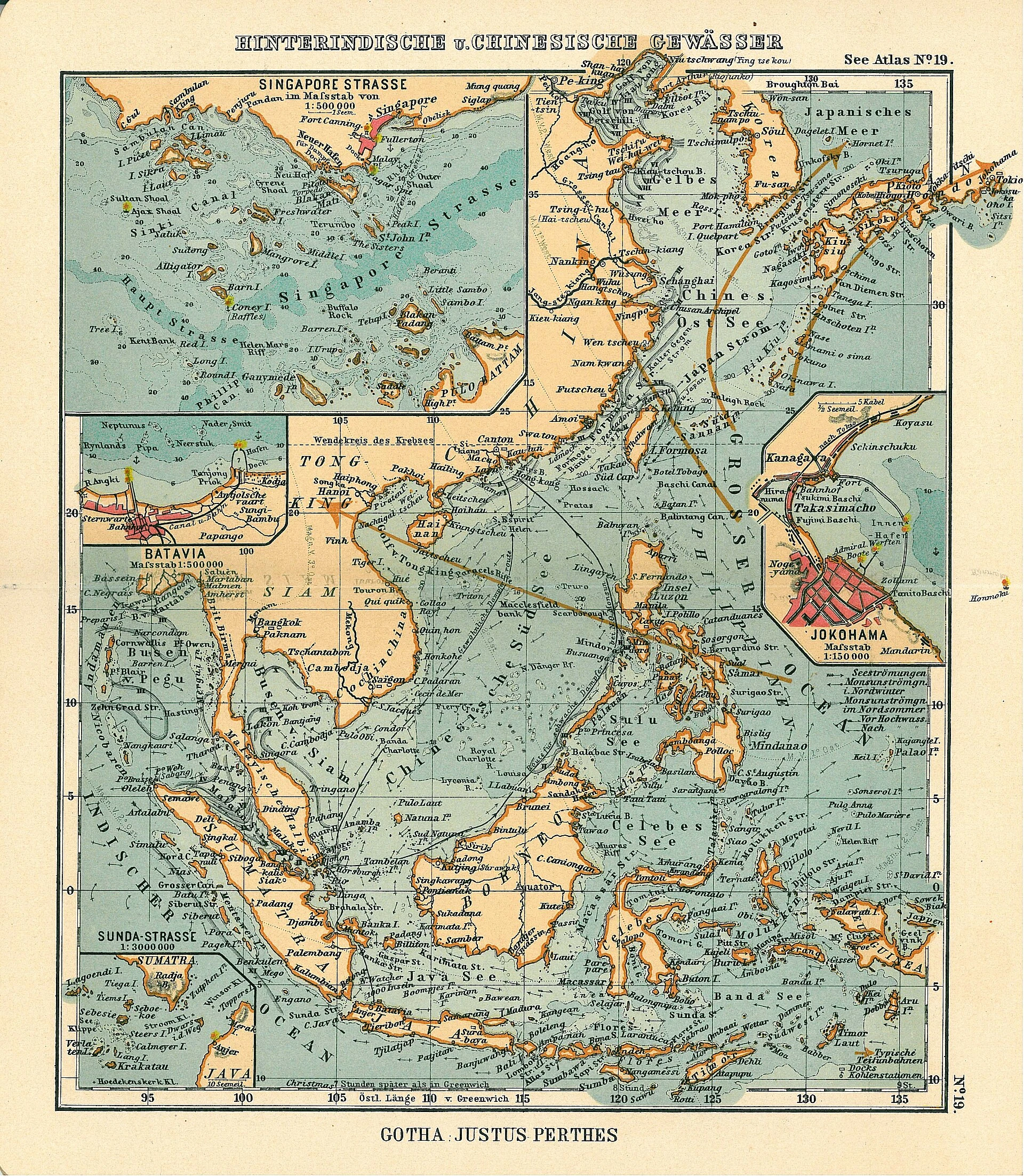
For Washington and its allies, the value of the declaration is in the coalition it exposes. The statement strengthens legal signaling, but it will only carry weight if allied governments use it to support steadier presence, closer patrol coordination and a lower tolerance for dangerous manoeuvres inside exclusive economic zones. Philippine President Ferdinand Marcos Jr. said the arbitral award remained vital for protecting sovereign rights and preserving peace, while Manila’s National Peace Walk 2026 underscored how deeply the ruling still shapes domestic politics. The region’s hardest question is no longer whether the award exists, but whether enough states will enforce its logic before the next confrontation turns into a crisis.
Sources
- [1]wifc.com
- [2]state.gov
- [3]canada.ca
- [4]docs.pca-cpa.org
- [5]nsc.gov.ph
- [6]pco.gov.ph
- [7]global.chinadaily.com.cn
- [8]pna.gov.ph
- [9]ibtimes.sg