Business
U.S. jobless claims edge lower, but hiring slowdown fears linger

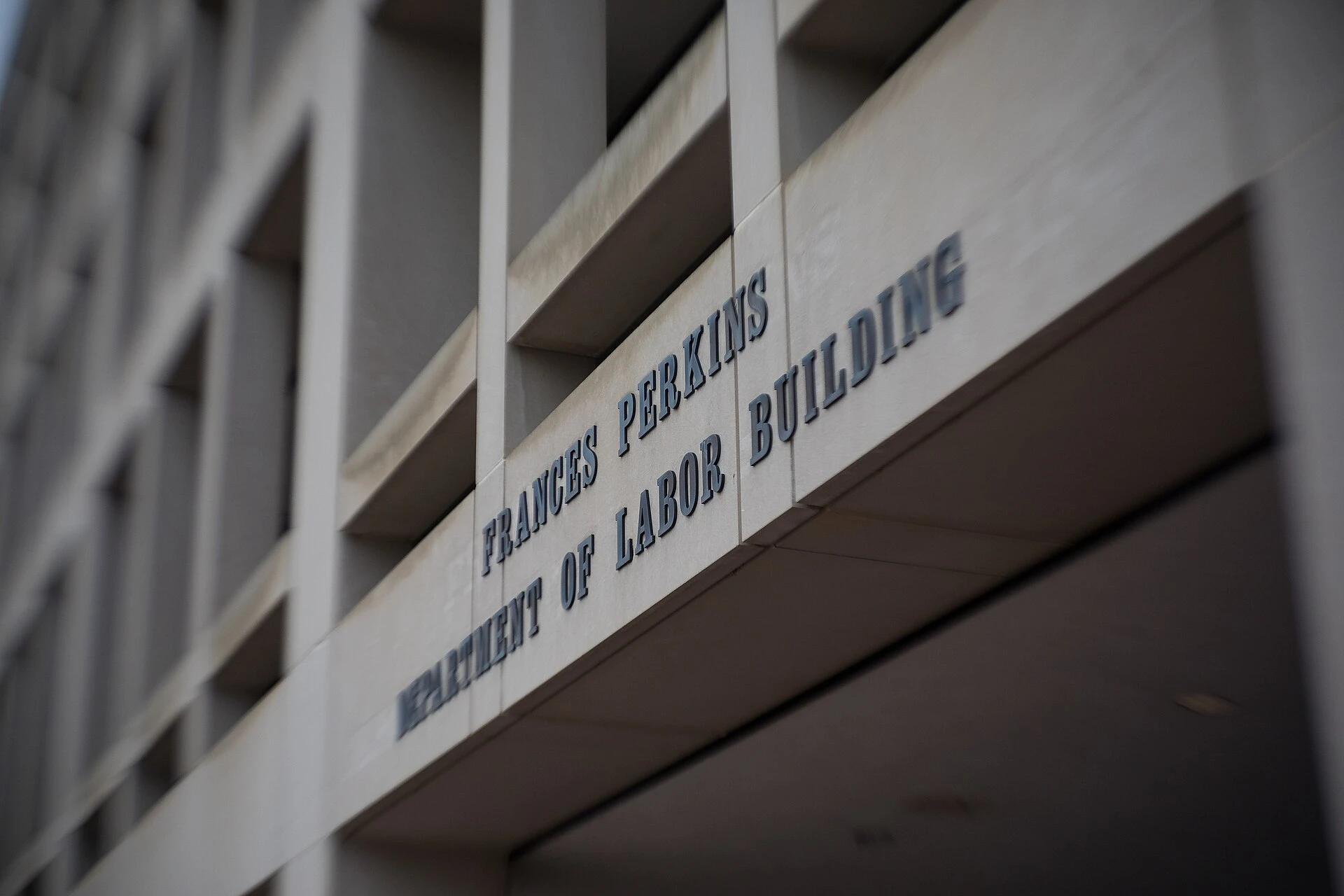
U.S. jobless claims edged lower, but the drop did little to erase a recent run of higher readings that has kept attention on a slower, though still steady, labor market. Initial claims fell 4,000 to a seasonally adjusted 226,000 in the week ended June 13, almost exactly in line with economists’ expectations, yet the four-week trend stayed noticeably firmer than earlier in the year.
The Labor Department revised the prior week’s claims figure up to 230,000, pushing the four-week moving average to 223,250. Continuing claims rose to 1,810,000 in the week ending June 6, while the advance seasonally adjusted insured unemployment rate held at 1.2% for a second straight week. Even with the latest pullback, claims had climbed for three consecutive weeks and were still near the upper end of this year’s range, roughly 190,000 to 230,000.

That is still a long way from recession-like stress. The claims series has spent much of this year in the low-to-mid 200,000s, far below the 6.137 million peak reached during the 2020 pandemic spike. The broader labor backdrop has also held up better than the claims noise suggests: payrolls increased by 172,000 in May, and the unemployment rate stayed at 4.3% for a third straight month, according to the U.S. Bureau of Labor Statistics.

Economists said the recent rise in claims does not yet point to a broad deterioration in hiring. Seasonal quirks tied to the end of the school year can lift filings when some states allow non-teaching staff to apply for benefits during long holiday periods, making the data less clean than usual. Pennsylvania stood out again, with claims rising 3,734 in the latest week after a prior-week jump of 5,381, according to Reuters-linked coverage. The increase was tied to layoffs in transportation and warehousing, administrative and support, waste management and remediation, accommodation and food services, and health care and social assistance.
The Federal Reserve is watching the same mix of signals. On June 17, the Federal Open Market Committee kept its target range for the federal funds rate at 3.5% to 3.75%, underscoring that policymakers still see enough labor-market resilience to stay focused on inflation. For now, the claims data points to a labor market that is cooling from a strong post-pandemic stretch, not cracking under pressure.
Sources
- [1]kitco.com
- [2]dol.gov
- [3]bls.gov
- [4]federalreserve.gov
- [5]fred.stlouisfed.org
- [6]money.usnews.com
- [7]finance-commerce.com