Business
U.S. jobs report shows surprise July payroll decline, cooling labor market

The U.S. labor market posted a surprise setback in July, with nonfarm payrolls falling by 23,000 while the unemployment rate eased to 4.1%, the Labor Department said Friday.
The drop ran against economists’ expectations for job gains and came with a deeper warning inside the revisions: May and June payrolls were marked down by a combined 103,000 jobs. That meant hiring had been weaker for longer than the first estimates suggested, even as the headline rate still pointed to a labor market that had not broken sharply.
The contradiction between fewer jobs and a slightly lower jobless rate reflects what each measure captures. Payrolls track how many jobs employers add or cut, while the unemployment rate measures the share of people who are out of work but actively looking for it. A lower unemployment rate does not always mean the labor market improved; it can also fall if fewer people are counted as actively seeking work. Together, the July figures suggested a labor market losing momentum without yet tipping into recession.

Sector details reinforced that view. Health care remained the main source of job growth, though its gains were below the recent trend, while retail trade and local government education shed jobs. That mix pointed to a labor market that was still producing pockets of hiring, but not enough to offset weakness elsewhere.
For households, the report raised the risk that finding a new job could take longer, especially in parts of the economy tied to interest rates and discretionary spending. For the Federal Reserve, it added a fresh complication: policymakers have been debating whether inflation remains too sticky to justify cutting rates, or whether slower labor demand gives them room to support growth. Reuters said the weak July reading fueled skepticism about a possible September rate hike, and U.S. stock index futures extended gains as investors priced in less pressure for tighter policy.
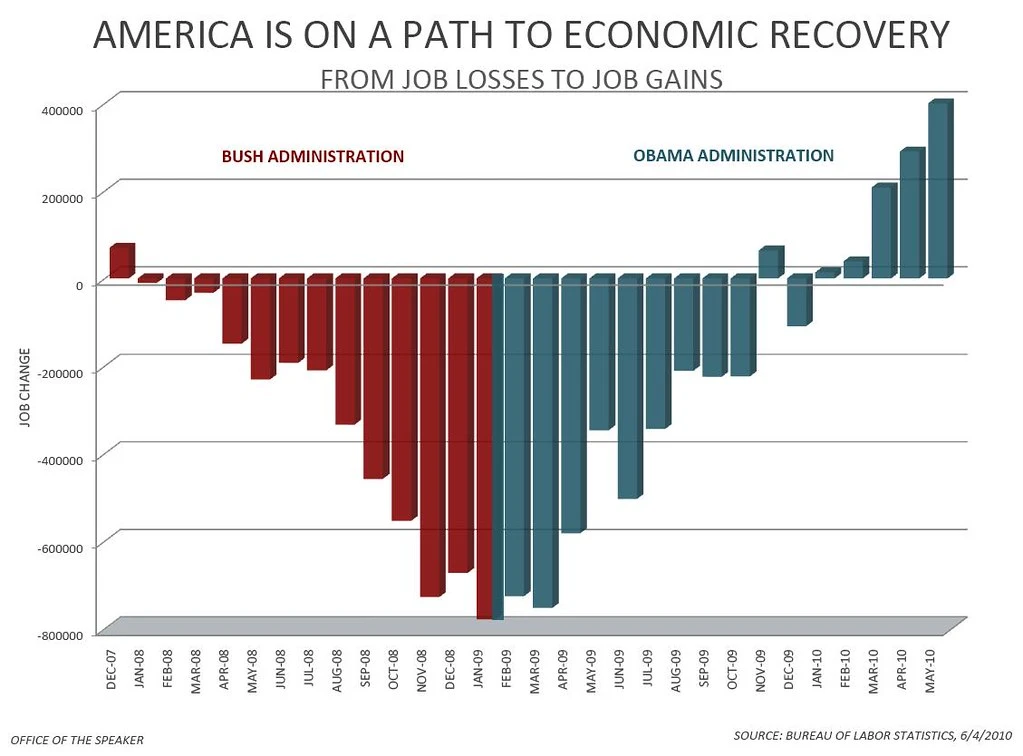
The report also landed at a delicate moment for the broader economy. A cooling labor market can help ease wage pressures over time, but if hiring slows too much, it can quickly weigh on consumer spending, which remains the backbone of U.S. demand. The July data showed both sides of that balance at once: softer employment, a still-low unemployment rate, and a labor market that now looks more fragile than the first half of the summer suggested.