Business
U.S. joins Japan in rare yen intervention as currency weakens

The U.S. Treasury told a number of banks it may intervene in the yen market and said they should “stand ready for future action” after Japan had already bought yen on Thursday, in a rare show of coordination aimed at stopping the currency’s slide. The move came as the yen hovered near multi-decade lows, raising the cost of imports in Japan and rattling global markets that watch the dollar-yen pair for signs of stress.
The timing drew extra attention because Treasury Secretary Scott Bessent was at Camp David with President Donald Trump when a photograph captured a handwritten note in front of him that appeared to read, “Buy Japanese Yen (JPY) $5-10 bil.” The U.S. move followed Tokyo’s own intervention ahead of a Bank of Japan policy decision, and it signaled that Washington was prepared to back Japan if disorderly trading pushed the currency lower.
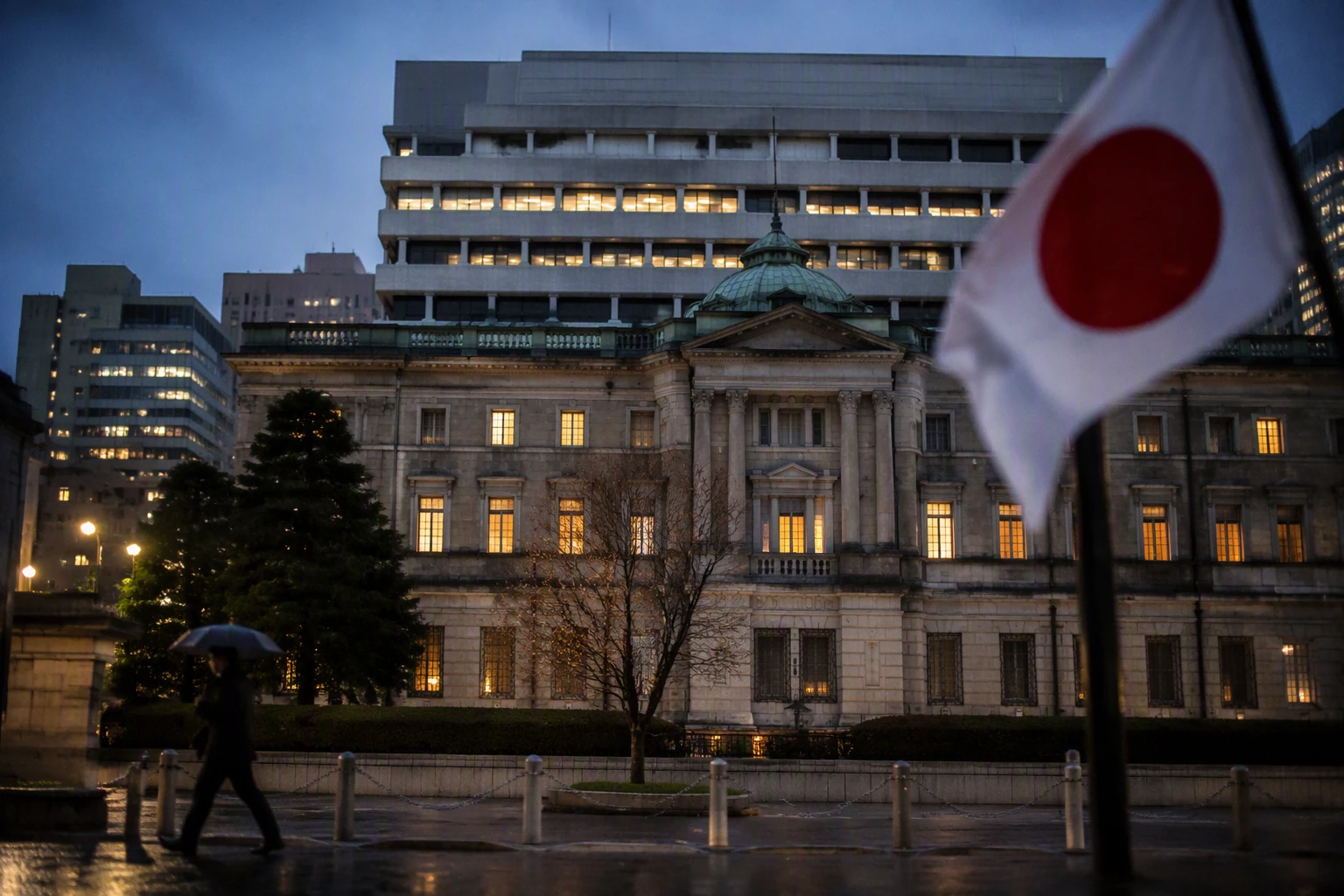
The intervention matters well beyond Tokyo. A weaker yen makes food, energy and other imports more expensive for Japanese households, feeding inflation at a moment when the Bank of Japan is still tightening cautiously. On July 31, the central bank held rates at 1%, reinforcing the policy gap that has weighed on the currency. For American companies with major sales in Japan, a weaker yen can cut the dollar value of overseas earnings. It can also feed volatility in Treasury markets and broader risk assets if traders start to unwind carry trades or price in a more abrupt policy response.
The joint action was notable because it would be the first U.S.-Japan currency intervention in about 15 years. Japan’s finance ministry, which has formal authority over foreign-exchange operations, has repeatedly signaled that officials were prepared to act “any time” if yen moves became excessive. That warning carried added weight after Japan’s last major yen-buying intervention on Sept. 22, 2022, when it spent roughly 2.8 trillion yen to support the currency.
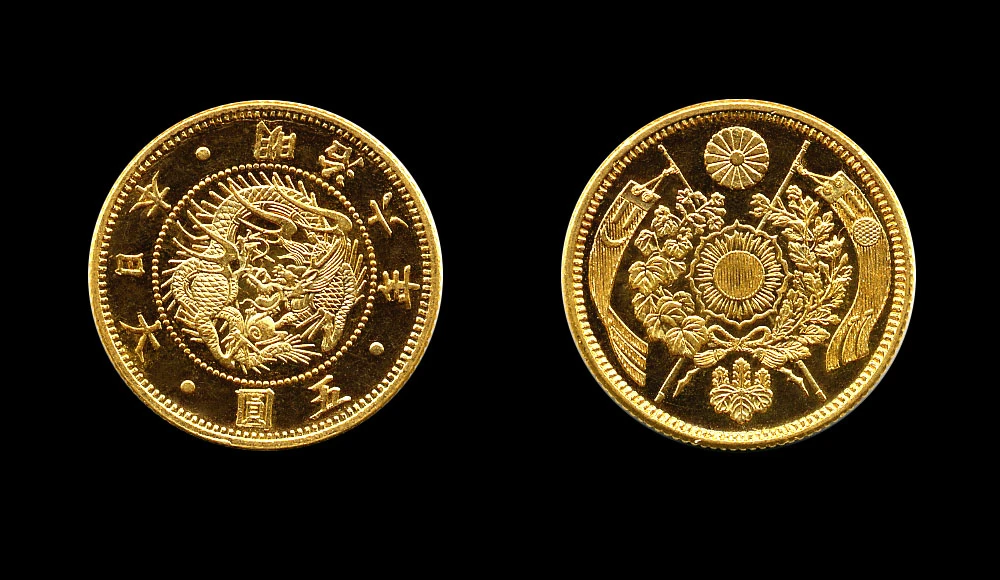
The latest episode suggested Tokyo and Washington were trying to do more than slow a single trading session. By stepping in together, they aimed to send a clear message to markets that they would not tolerate a one-way move in the yen driven by speculation and interest-rate differentials alone.
Sources
- [1]reuters.com
- [2]boj.or.jp
- [3]chosun.com