World
US Launches Airstrikes Following Iranian Missile and Drone Assaults
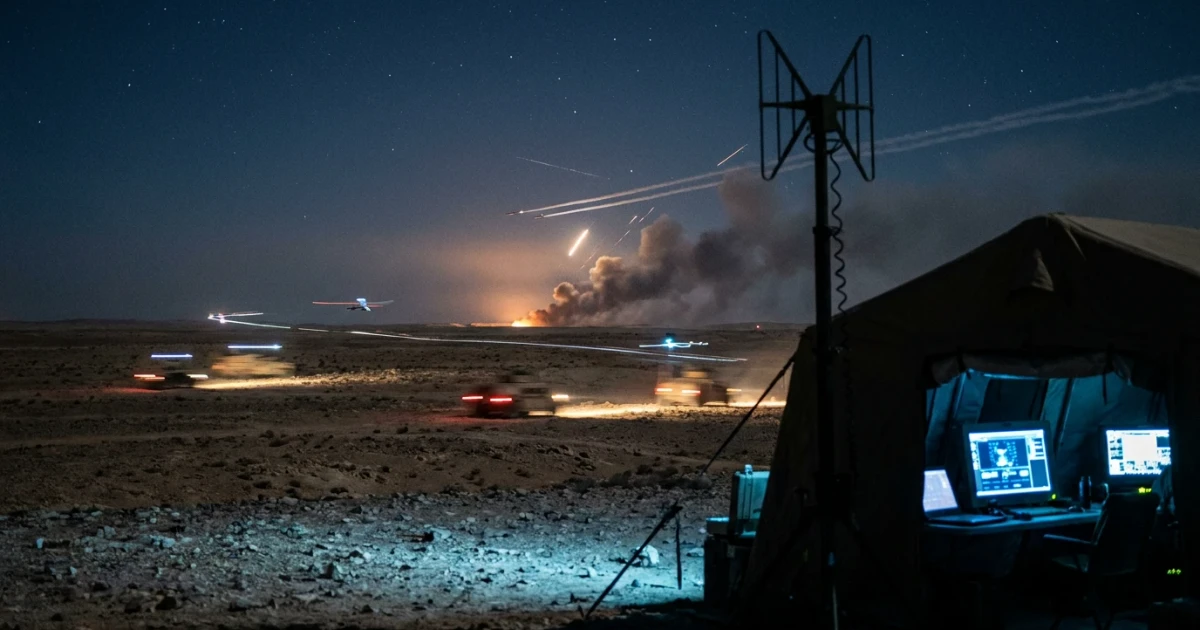
Rising tensions between the United States and Iran escalated sharply over the weekend after Iran launched a coordinated attack involving missiles and drones, prompting the US military to retaliate with targeted airstrikes. The exchange has further strained an already fragile ceasefire and raised concerns about broader instability in the region.
Sequence of Attacks Raises Stakes
According to reports from Fox News and CNN, Iran initiated a series of missile and drone attacks late last week, targeting US assets in the region. These types of coordinated strikes have increased in frequency over the past year, reflecting heightened tensions between the two countries. The US military responded swiftly, launching its own airstrikes against what it described as Iranian military positions involved in the attacks.
- The US retaliation marks one of the most significant escalations since the previous ceasefire was brokered.
- Both US and Iranian officials have accused each other of undermining regional stability.
- According to Fox News, the US strikes specifically targeted facilities linked to the recent missile and drone launches.
Military Capabilities and Ongoing Risks
Iran’s growing missile and drone arsenal has been closely tracked by military analysts and international observers. The Center for Strategic and International Studies (CSIS) notes that Iran has significantly expanded its capabilities, making its attacks more difficult to predict and counter. The US military’s response, as highlighted in official Central Command statements, is part of a broader effort to deter further aggression and protect American personnel and interests in the region.
Despite the retaliatory strikes, both sides appear wary of a full-scale conflict, mindful of the risks to civilian populations and global energy markets. The United Nations has urged both countries to exercise restraint and return to compliance with standing ceasefire agreements, referencing existing sanctions and resolutions governing military activity in the region.
Impact on Ceasefire and Regional Stability
The recent exchange of strikes has put the ceasefire under considerable strain. CNN reported that diplomatic channels remain open but are under pressure, as both sides publicly question each other’s commitment to de-escalation. The risk of further escalation remains high, especially as regional proxies or allied groups could be drawn into the conflict.
- International monitors are concerned about the potential for miscalculation, especially given the growing technical sophistication of Iran’s missile and drone programs.
- Recent conflict data indicate a notable uptick in military engagements involving advanced weaponry.
- Civilian airspace safety remains a concern, with increased military activity in shared air corridors, as highlighted by the ICAO’s civil-military cooperation guidelines.
Looking Ahead
As the situation develops, international observers and regional actors will be watching closely for signs of further escalation or a return to diplomatic engagement. The recent cycle of attacks and counterattacks underscores the fragility of existing agreements and the challenges of maintaining stability in the face of evolving military technology.
Whether this incident marks the beginning of a renewed cycle of violence or prompts renewed efforts at negotiation remains to be seen. For now, the US and Iran appear locked in a tense standoff, with the fate of the ceasefire—and regional security—hanging in the balance.