World
U.S. launches fresh Iran strikes as Hormuz ceasefire frays
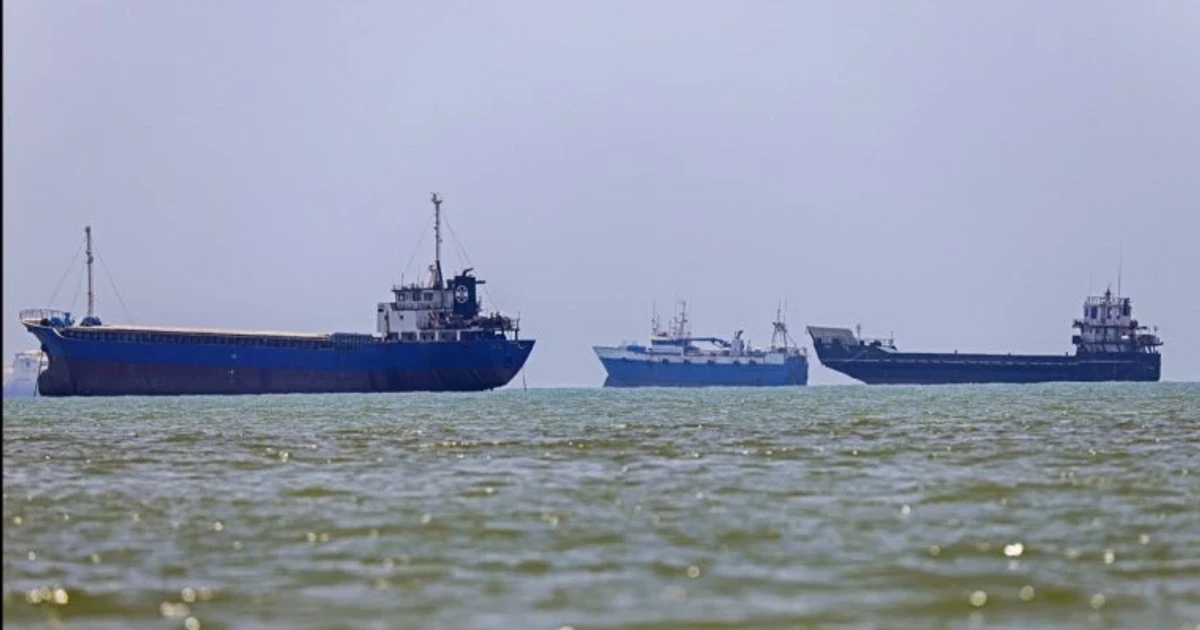
U.S. Central Command launched additional strikes against Iran on Saturday, widening a confrontation that has already spilled into the Strait of Hormuz and sharpened the risk to global shipping, energy prices and the U.S. military posture in the Gulf. The latest round came as a commercial tanker was hit by a projectile in the same waterway, a reminder that the ceasefire between Washington and Tehran was already under strain.
The U.S. military said its strikes hit missile and drone storage locations and coastal radar sites in Iran. The action followed an Iranian drone attack on a cargo ship in the Strait of Hormuz, with each side accusing the other of violating the ceasefire agreement reached last week. Iran’s Foreign Ministry said the U.S. attacks broke that truce and warned of retaliation, leaving open the possibility that the exchange could broaden if either side decides to answer the latest strike with another attack.
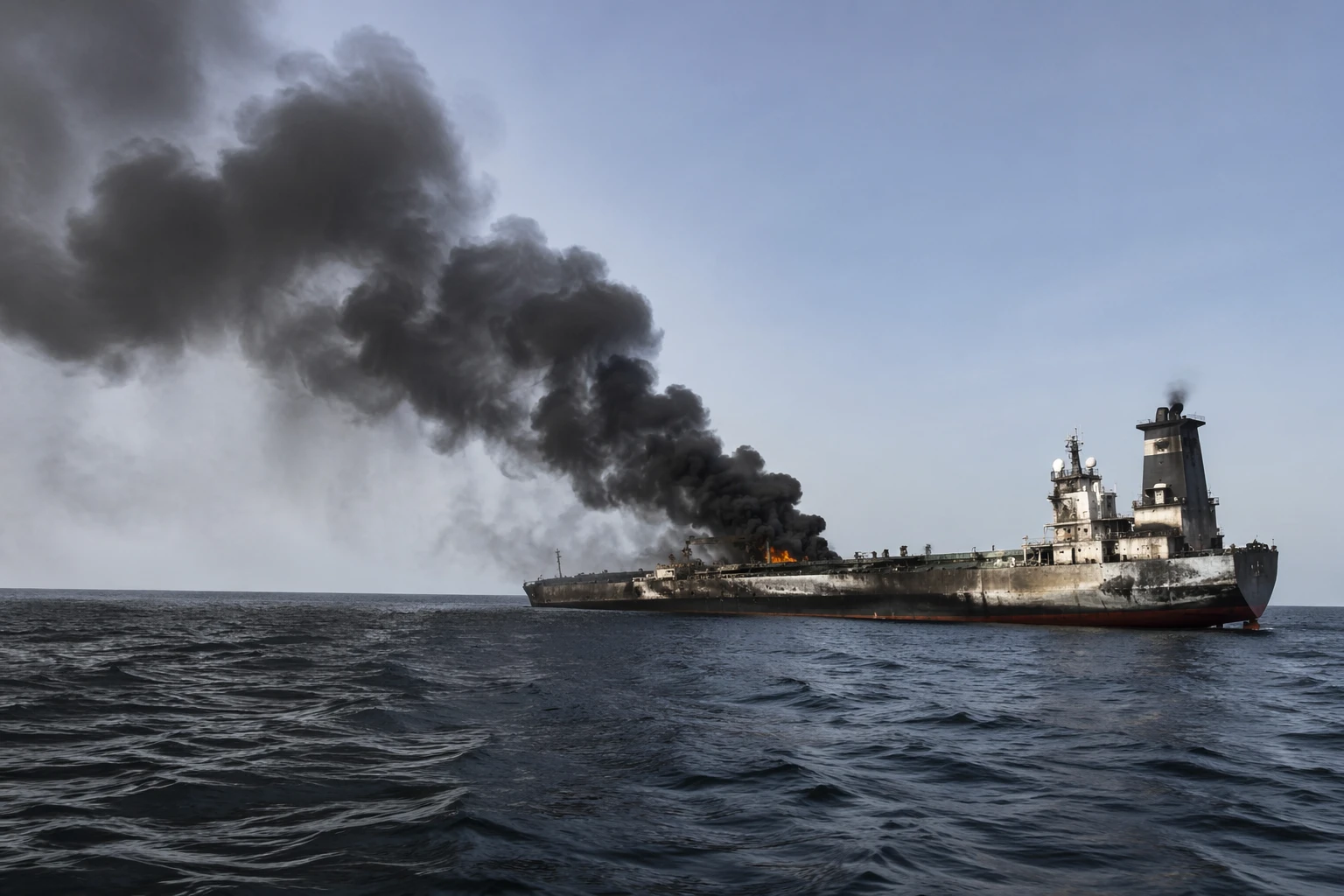
The shipping risk is immediate because the Strait of Hormuz is one of the world’s most important oil chokepoints. The U.S. Energy Information Administration says about 20 million barrels a day moved through the strait in 2024, equal to roughly 20 percent of global petroleum liquids consumption. The International Energy Agency says the waterway is only 29 nautical miles wide at its narrowest point and funnels traffic through two 2-mile-wide navigable channels, making it vulnerable to disruption from even a limited campaign of attacks.
The latest maritime incident added to that pressure. The UK Maritime Trade Operations center said a vessel’s captain reported bridge damage after a projectile strike in the Strait of Hormuz, though no crew injuries were reported. Even without a loss of life, damage to a commercial ship in those narrow waters can disrupt insurance, slow traffic and push up the cost of moving crude and refined products through the region.

The stakes are higher because Hormuz has a long history of becoming a flashpoint. The 2019 tanker attacks near the strait shook energy markets, and during the 1980s Iran-Iraq Tanker War, the United States escorted neutral tankers through the area to keep shipping moving. Bahrain, the United Arab Emirates and Kuwait have already condemned the wider escalation, underscoring how quickly the conflict is testing regional alignments. The ceasefire still exists on paper, but each strike and counterstrike is narrowing the space for a clean off-ramp.
Sources
- [1]news.google.com
- [2]nbcnews.com
- [3]usnews.com
- [4]eia.gov
- [5]iea.org
- [6]ukmto.org