World
U.S. launches fresh strikes on Iran amid fragile ceasefire
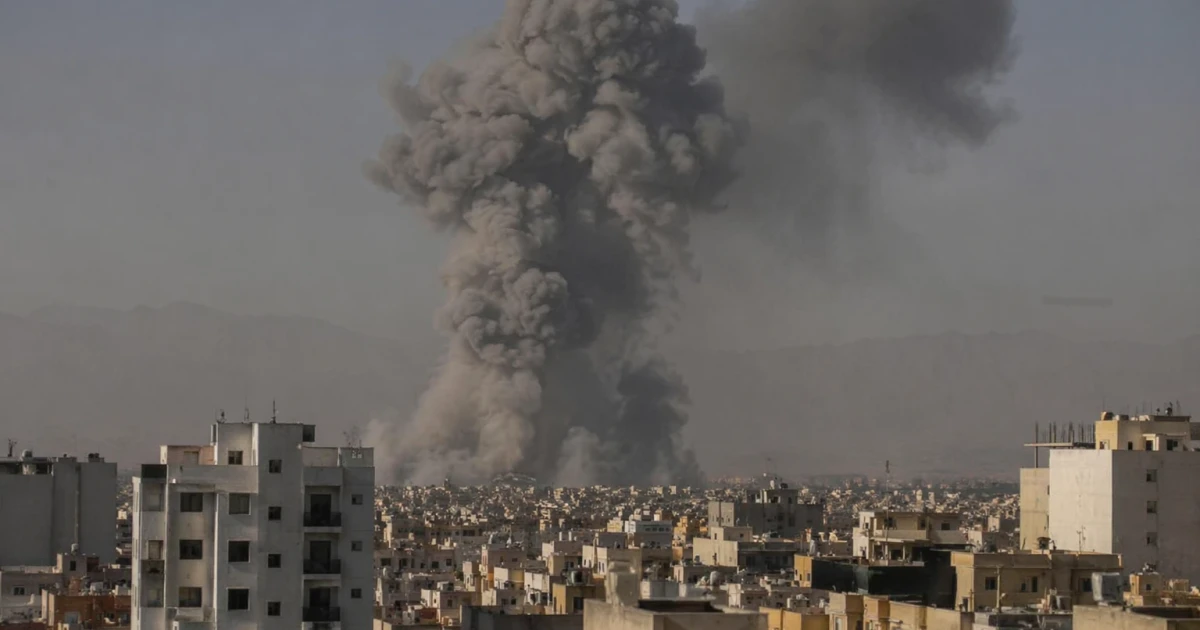
The U.S. military expanded its campaign against Iran with a new round of strikes hours after Donald Trump warned that Tehran would “have to pay the price.” U.S. Central Command said the operation began at 5:15 p.m. New York time Wednesday and was complete about four hours later, describing the attacks as a self-defensive response to Iran’s “unwarranted and continued aggression.”
Officials familiar with the operation said the targets included ammunition depots, command-and-control nodes, warehouses, military surveillance systems, air defense sites and communication systems. Iranian media reported explosions or air-defense activity in several cities, including Bandar Abbas, the port city in southern Iran near the Strait of Hormuz, a choke point whose security now sits at the center of the crisis.
The latest barrage followed an earlier U.S. strike on nearly 20 targets inside Iran on Wednesday, carried out after Iran downed a U.S. Apache helicopter near the Strait of Hormuz. Iran then launched drones at several U.S. allies in the region, widening a confrontation that has continued despite a fragile two-month-old ceasefire that has reduced but not stopped exchanges of fire.
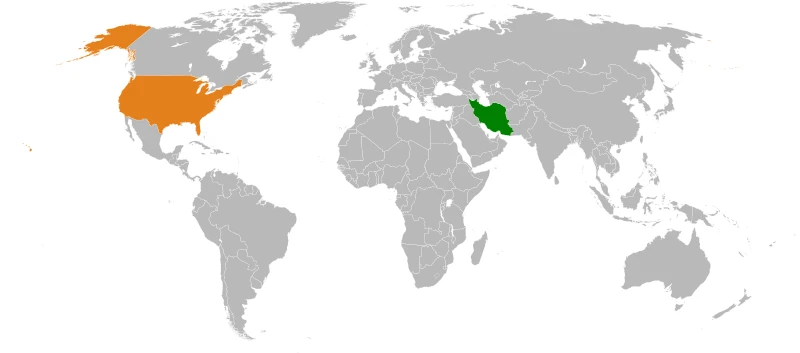
For weeks, indirect U.S.-Iran talks had centered on extending that ceasefire, ending the U.S. naval blockade of Iranian ports, reopening the Strait of Hormuz and beginning negotiations over Iran’s nuclear program. The diplomatic track remained elusive even before the latest attacks, and Iran’s foreign ministry accused Washington of sending contradictory messages and damaging the process. On Wednesday, Trump said Iran had “taken too long” to negotiate and was “playing us for suckers,” while Defense Secretary Pete Hegseth said the strikes were meant to push Iran back to the negotiating table.
The sequence from threat to force marks a sharper stage in the standoff. Trump’s rhetoric was followed within hours by a second wave of U.S. strikes, signaling that the administration is tying military action directly to Iran’s behavior and to stalled diplomacy. But the campaign also leaves the bigger questions unresolved: how far Washington is willing to go, what legal framework it is relying on, and whether the administration has a real endgame beyond trying to compel talks. With attacks landing around the Strait of Hormuz and both sides still exchanging fire, the risk of a wider regional war remains real.
Sources
- [1]cbsnews.com
- [2]bloomberg.com
- [3]reuters.com