World
U.S. launches fresh strikes on Iran as ceasefire frays
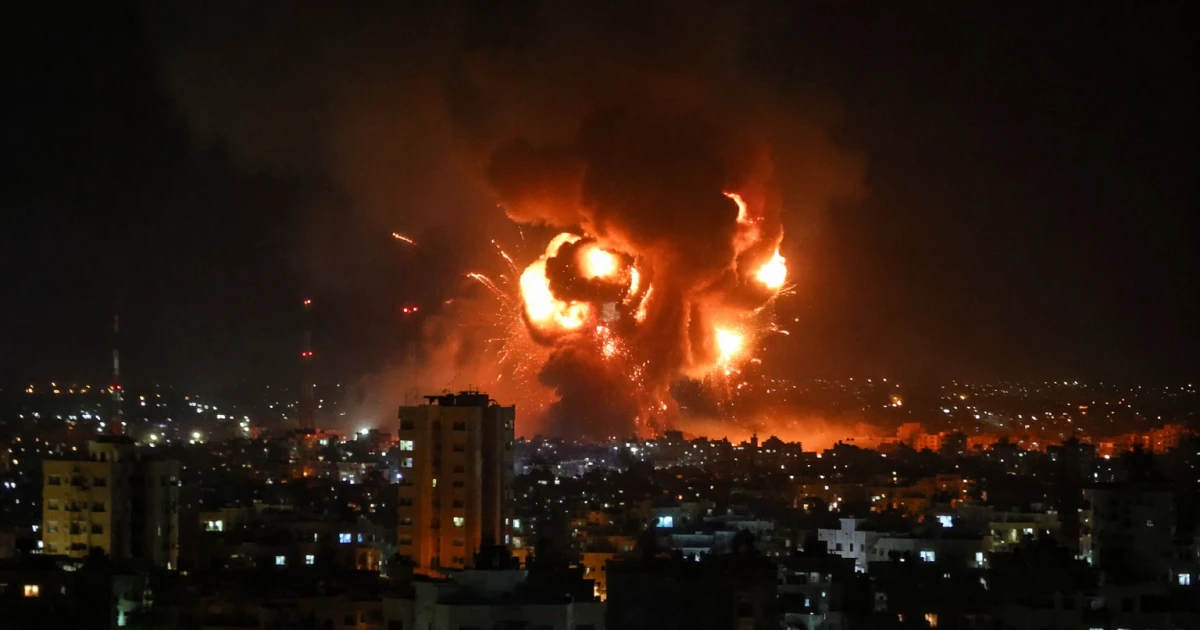
The United States launched another round of strikes on Iran early Thursday, widening a confrontation that now looks increasingly capable of breaking the two-month-old ceasefire. The attacks came hours after Donald Trump said the U.S. would hit Iran “hard again today,” a warning that signaled Washington was prepared to raise the cost of Iran’s moves rather than wait for stalled diplomacy to produce a deal.
U.S. Central Command said it struck “multiple targets in Iran” in response to what it called Iran’s “unwarranted and continued aggression.” U.S. officials said the latest operation hit ammunition depots, command-and-control nodes, warehouses, surveillance capabilities, communication systems and air defense sites. Iranian media reported explosions or air defenses activated in Bandar Abbas, the port city that sits near the Strait of Hormuz and remains one of the region’s most sensitive strategic chokepoints.
The fresh strikes followed an earlier U.S. salvo on Wednesday, when American forces hit nearly 20 targets inside Iran after Iran downed a U.S. Apache helicopter near the Strait of Hormuz. A U.S. official said the helicopter was brought down by a one-way Iranian attack drone. Trump said Iran had “taken too long” to negotiate and would “pay the price,” while Defense Secretary Pete Hegseth said the attacks were meant to advance U.S. military interests and improve Washington’s diplomatic position by forcing Tehran back to the table.
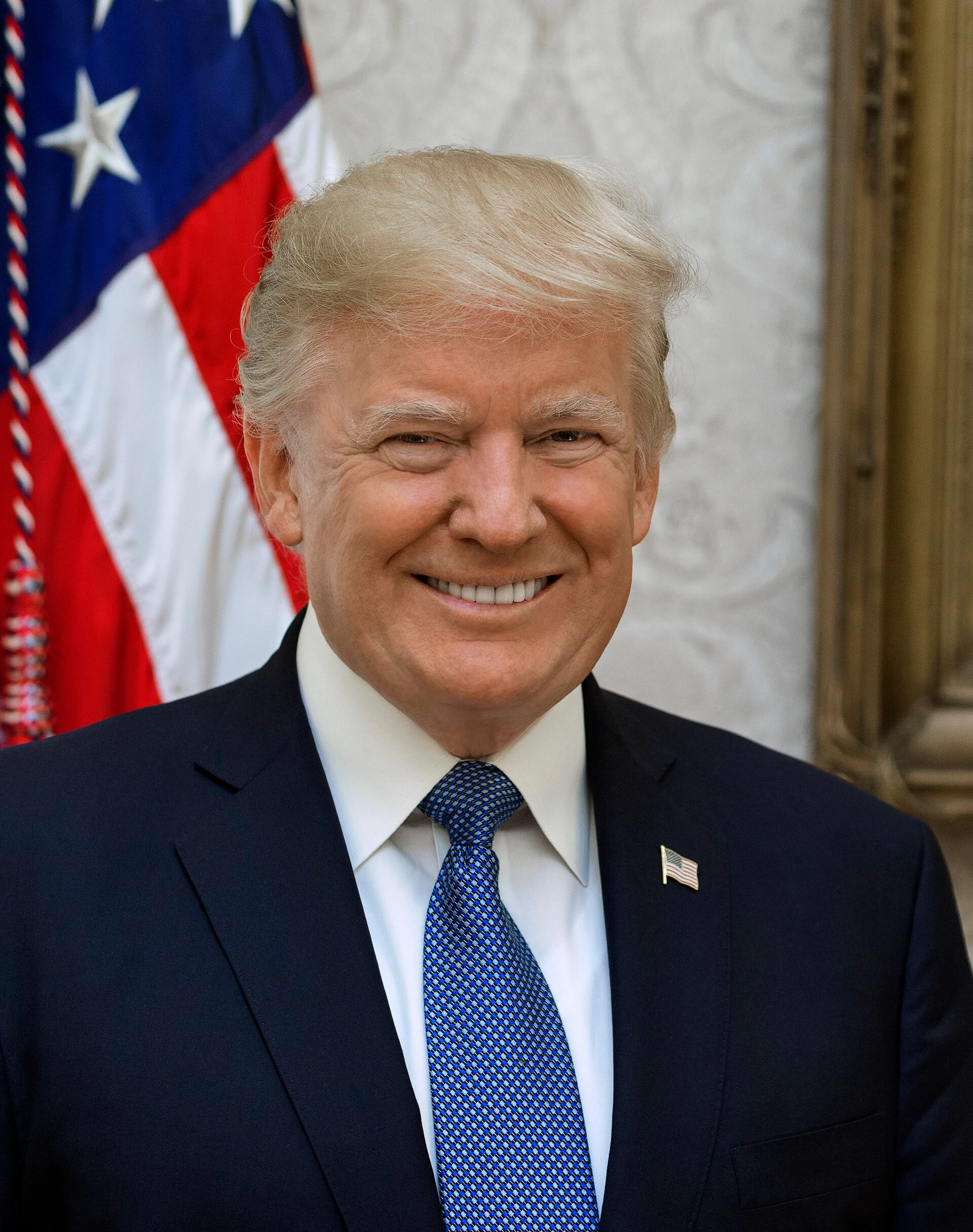
Iran has answered each U.S. move with its own counter-pressure. The Islamic Revolutionary Guard Corps said it launched attacks on 18 U.S. military targets at airbases in Kuwait and Bahrain, and Bahrain’s interior ministry said sirens were sounded after the Iranian counterattacks. Iran’s top joint military command also warned it would fire on any vessel attempting to pass through the Strait of Hormuz, an escalation that could threaten global oil flows even as the U.S. said commercial shipping was still moving through the waterway.
The ceasefire, which took effect in early April 2026, had already been strained by repeated exchanges of fire. For weeks, Iranian and American negotiators had been holding indirect talks on extending it, ending a U.S. naval blockade of Iranian ports, reopening the Strait of Hormuz and starting broader nuclear negotiations, but no deal emerged. Iran’s foreign ministry said the latest U.S. strikes were damaging the diplomatic process, while Abbas Araqchi warned that foreign forces in the region risked being caught in accidents or crossfire. The pattern now suggests both sides are testing how much more pressure the ceasefire can absorb before it fails altogether.
Sources
- [1]cbsnews.com
- [2]aol.com
- [3]militarytimes.com
- [4]politico.com
- [5]msn.com