World
U.S. launches new strikes on Iran as ceasefire collapses

U.S. Central Command said the U.S. military carried out a new wave of strikes on Iran at the direction of the president, sharpening the fight after President Donald Trump said the ceasefire was over as far as he was concerned. The second night of strikes pushed the conflict closer to a temporary pause than a durable halt, with Washington and Tehran still trading blows around the Strait of Hormuz.
CENTCOM said the latest attacks hit more than 80 targets in Iran. More than 60 of those were described as Iranian military small boats in and near the Strait of Hormuz, a sign that U.S. planners were aiming at the vessels most useful for harassment, interception, or blockade tactics in one of the world’s most important shipping lanes. The strikes also hit air-defense systems, coastal radar sites, anti-ship missile capabilities, and command networks, expanding the target set beyond patrol craft to the sensors and command structure needed to sustain a wider maritime threat.
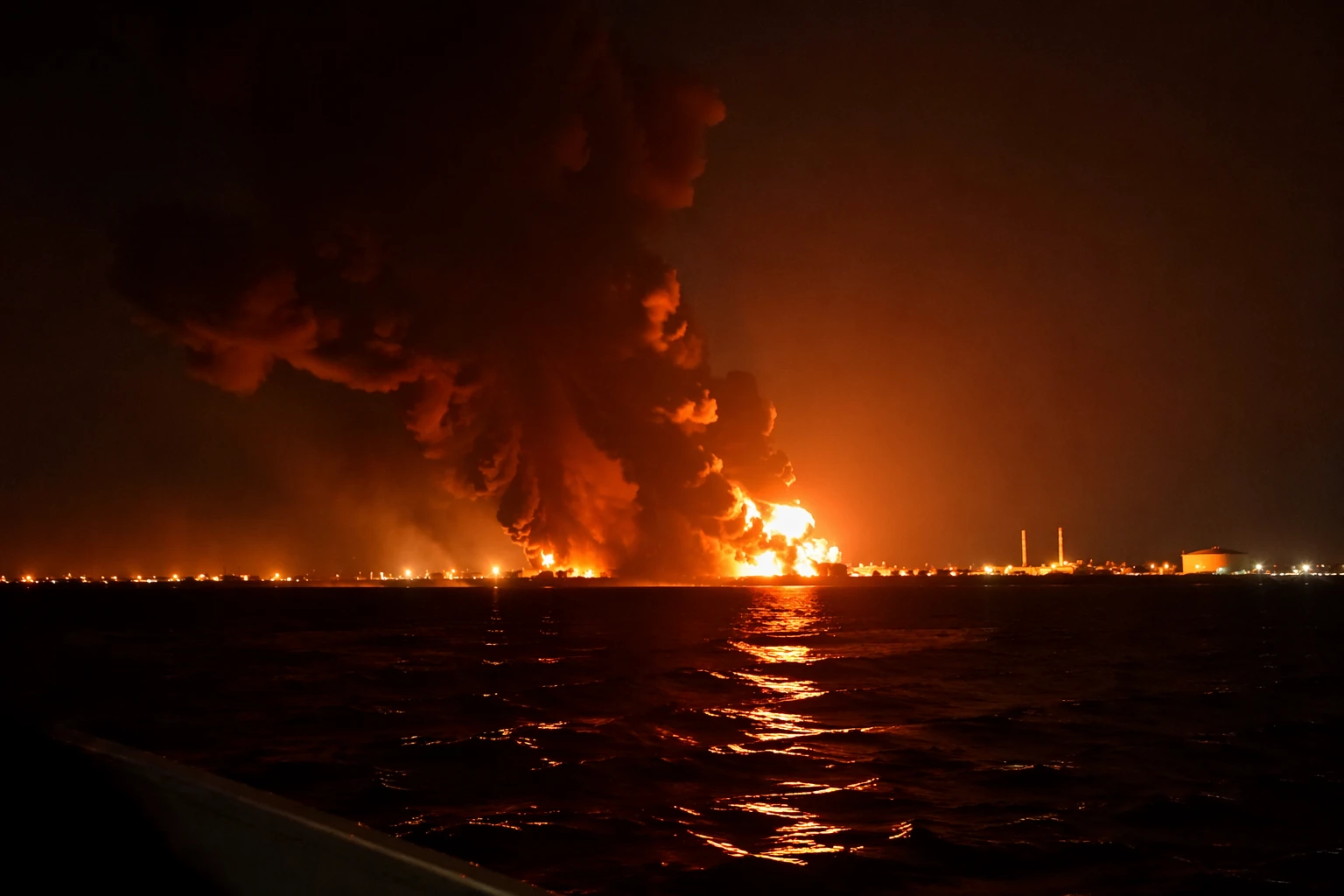
The escalation followed attacks on commercial shipping in and near the Strait of Hormuz, including three vessels that were reportedly hit by projectiles. That sequence matters because the strait is a critical chokepoint for global oil and energy flows, and any disruption there quickly raises the risk of higher shipping costs, insurance premiums, and supply shocks far beyond the Gulf. Will Todman, a senior fellow in the Middle East Program at the Center for Strategic and International Studies, has described Iran as a major regional actor whose behavior affects Middle East security and global oil flows.
The military action also overlapped with a tightening of economic pressure. On June 22, 2026, the Treasury Department’s Office of Foreign Assets Control issued General License X, authorizing certain Iranian-origin oil transactions through August 21, 2026, including the production, delivery, and sale of crude oil, petrochemical products, and petroleum products. Later reporting indicated that the waiver was narrowed or revoked after the renewed attacks, underscoring how quickly sanctions policy has moved in step with the fighting.
That pressure sits on top of a memorandum of understanding signed on June 17, 2026, which had been part of a de-escalation framework between Washington and Tehran. With strikes continuing and commercial shipping still under threat, the practical meaning of ceasefire now appears narrower than the word suggests: not a settled peace, but a fragile pause that can be suspended by the next round of attacks.
Sources
- [1]cbsnews.com
- [2]usnews.com
- [3]ofac.treasury.gov
- [4]csis.org
- [5]longwarjournal.org
- [6]yahoo.com