World
US launches new strikes on Iran, reimposes blockade on ports
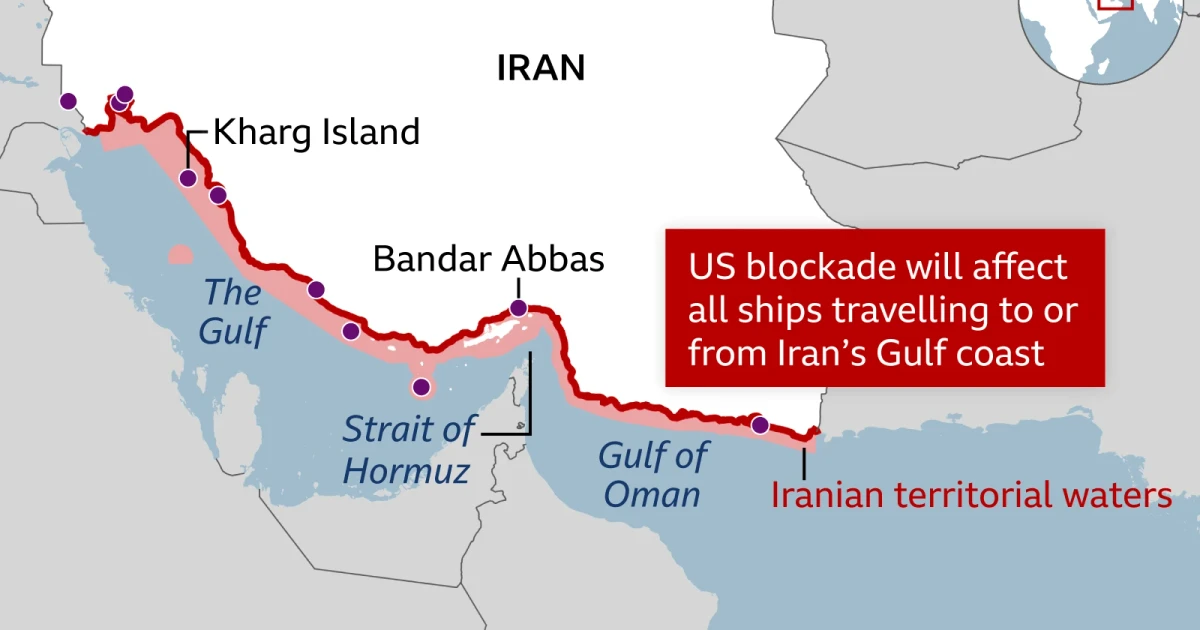
The United States carried out more strikes on Iran and reimposed a naval blockade on all Iranian ports, sharpening a confrontation centered on the Strait of Hormuz. U.S. Central Command said the strikes were meant to further degrade Iran’s ability to threaten freedom of navigation in the waterway, and the blockade was set to resume Tuesday at 4 p.m. ET, after being lifted on June 18 under a memorandum of understanding.
The blockade carries weight far beyond another round of retaliation. Under international law, a naval blockade is a high-threshold wartime measure, and restoring it against Iran pointed to a conflict that had moved past isolated strikes and into sustained pressure on maritime access. Donald Trump also threatened further strikes if Tehran did not resume negotiations, and live coverage said he initially floated a 20% cargo charge on traffic through Hormuz before dropping the idea after calls from Gulf allies. That shift showed the administration tightening and then adjusting its pressure campaign without easing the blockade itself.
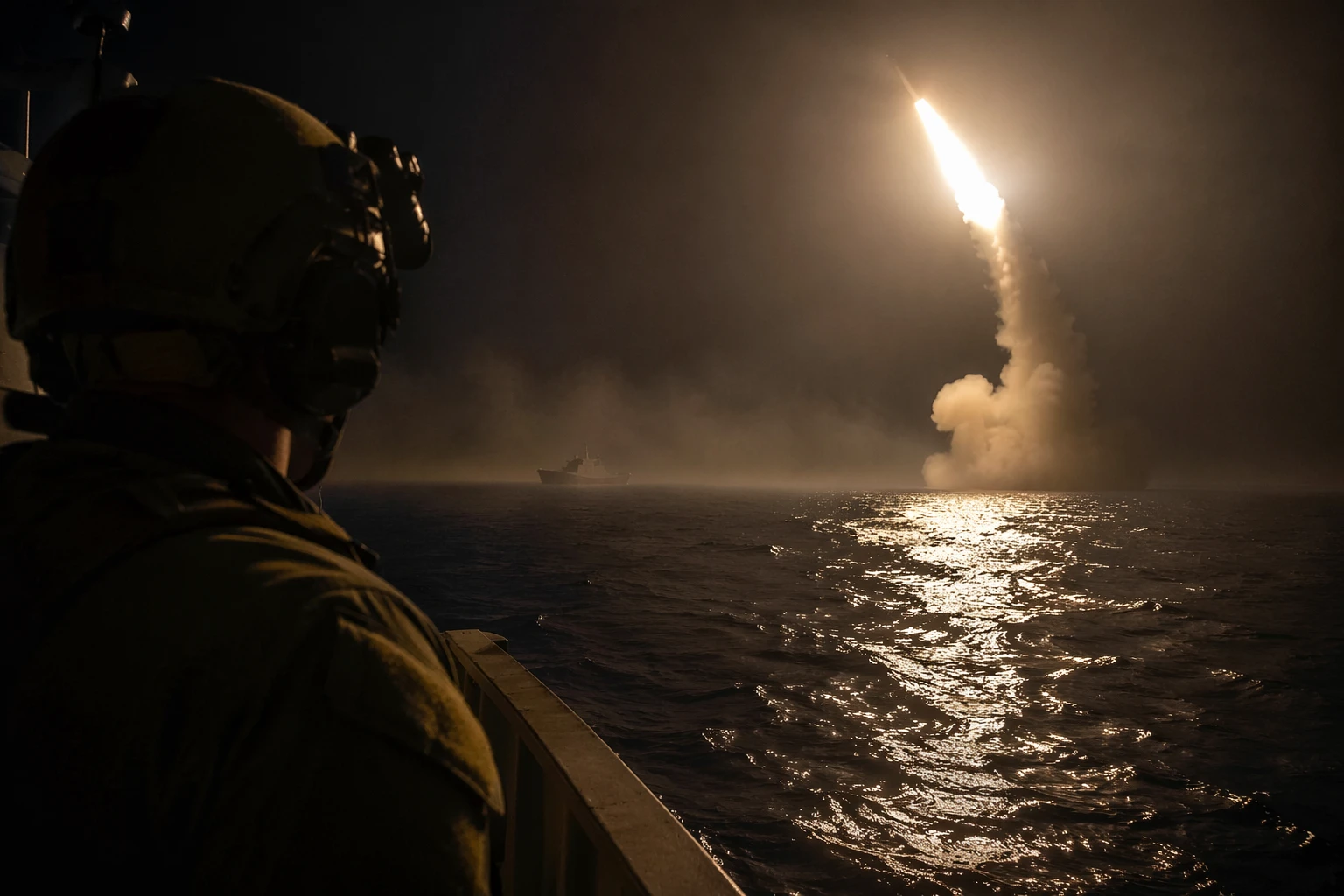
The immediate danger was to shipping, oil, and the U.S. presence across the Gulf. The Strait of Hormuz is a major oil shipping route and a critical global chokepoint, and renewed attacks on shipping there already unsettled energy markets. The International Maritime Organization called for maximum restraint and de-escalation, and CNBC reported that oil prices jumped more than 9% after Trump reinstated the blockade. For Congress, the combination of sustained strikes and control over a vital sea lane is the sort of move that invites sharper war-powers scrutiny, especially when no formal declaration of war is on the table.
Iran also had options beyond direct missile exchanges. Reuters-based live coverage said Tehran responded with attacks on U.S. facilities in Bahrain, Kuwait, Jordan and Oman, widening the risk to American troops and bases across the region. Separate live reports named coastal and southern Iranian targets including Bandar Abbas, Sirik, Chabahar, Bushehr, Qeshm Island, Abu Musa Island, Ahvaz, Bampur, Jask and Konarak, underscoring how far the campaign had spread along Iran’s own shoreline. At the United Nations, Rosemary DiCarlo warned on July 10 that there had been a “lost continuity of knowledge” on Iran’s nuclear programme, and the Security Council held an emergency session on July 2 as the ceasefire frayed further.
Sources
- [1]news.google.com
- [2]edition.cnn.com
- [3]al-monitor.com
- [4]news.un.org
- [5]usni.org
- [6]cnbc.com
- [7]cbsnews.com
- [8]abc.net.au