World
U.S. launches new strikes on Iran, reinstates naval blockade
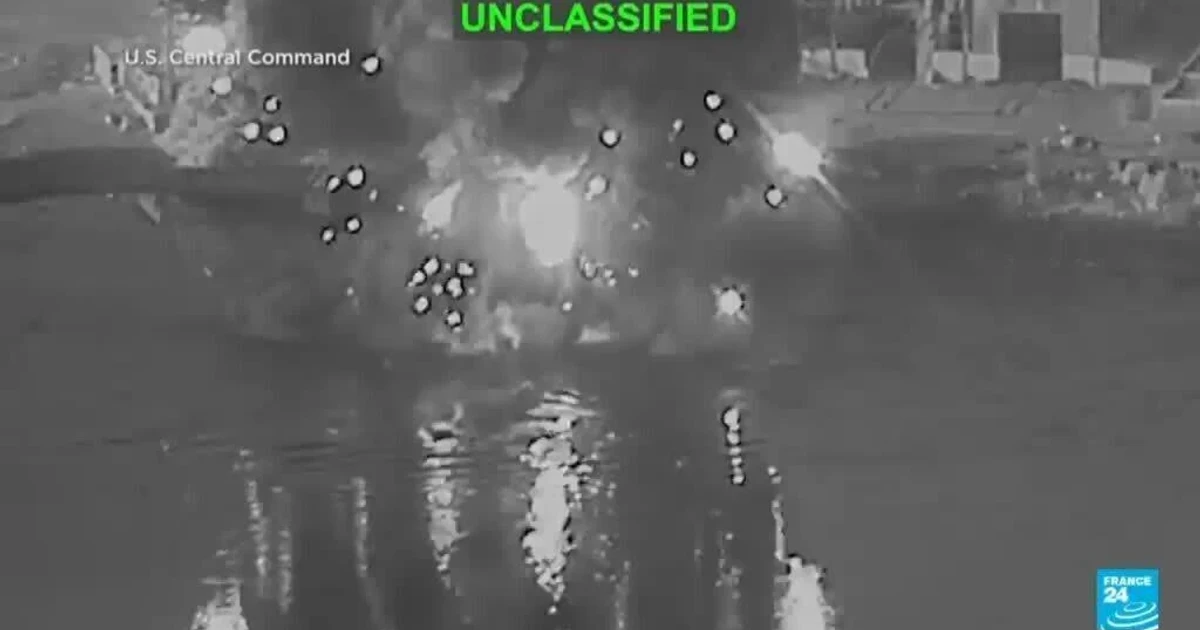
U.S. forces launched another wave of strikes on Iran on Tuesday and reinstated a naval blockade of Iranian ports and coastal areas, marking a sharper break from episodic retaliation. U.S. Central Command said the strikes began at 3 p.m. ET and the blockade took effect at 4 p.m. ET, tightening pressure on the Strait of Hormuz and the vessels that move through it.
The new operation was aimed at degrading Iranian capabilities used to attack commercial shipping, according to Centcom. The blockade applied to vessels transiting to and from Iranian ports and coastal areas, a direct challenge to traffic moving through one of the world’s most important oil chokepoints. The Strait of Hormuz handles a major share of global seaborne oil trade, so even limited disruption can ripple quickly through tanker rates, insurance costs and crude prices.
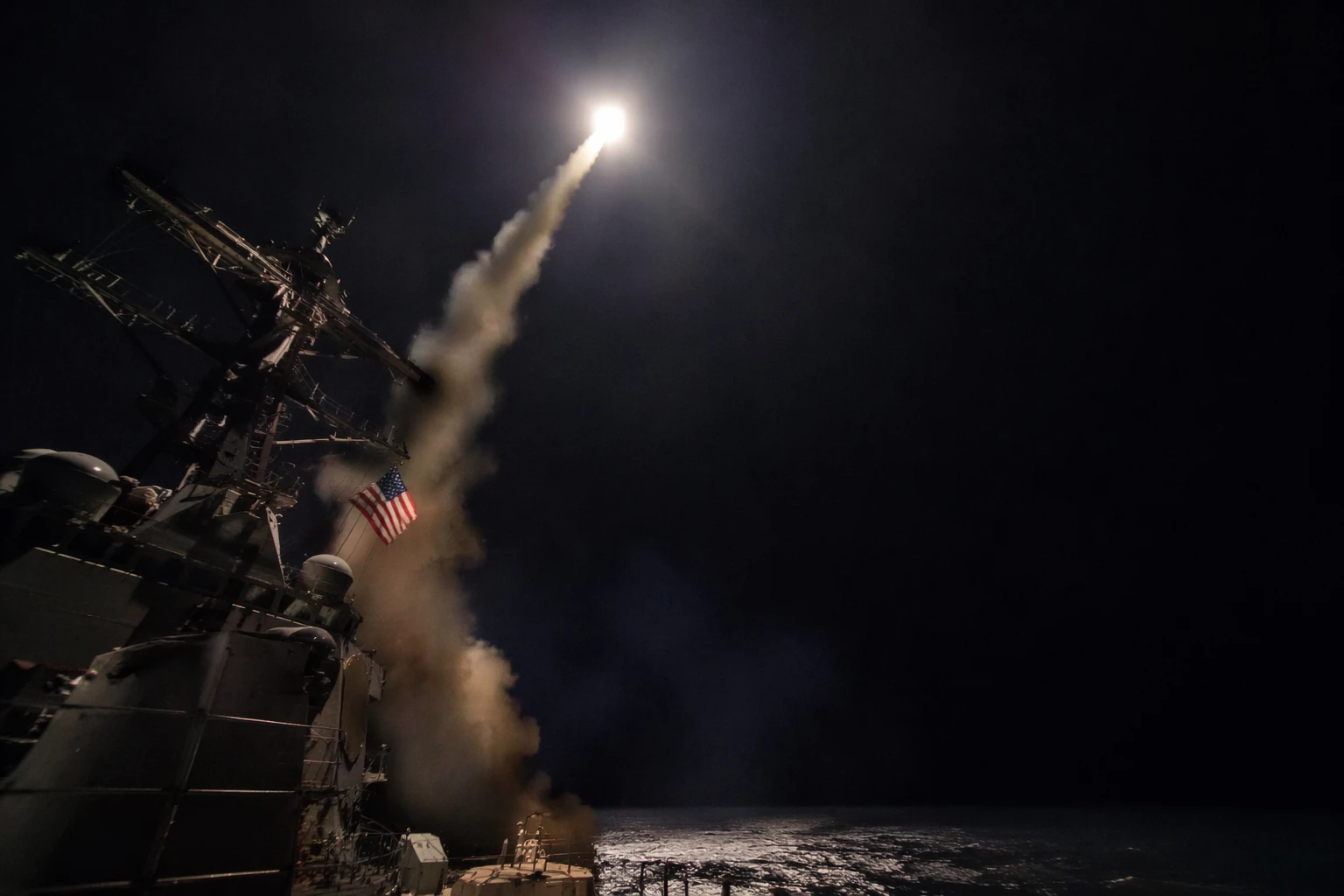
The strikes were the fourth consecutive day of U.S. attacks against Iran, following earlier blows after Iranian attacks on commercial vessels in the strait. Earlier reporting said the campaign had already hit more than 80 targets, while CBS later said about 90 military targets were struck in an earlier wave, signaling a broad and sustained military effort rather than a one-off response. U.S. officials said more than 20 U.S. Navy warships and hundreds of military aircraft were operating across the Middle East, underscoring the scale of the American buildup.
The renewed blockade also raised the odds of spillover across the Gulf of Oman and the wider region. Any interruption near Iranian ports can affect tankers bound for Asia and Europe, while the presence of U.S. warships and aircraft increases the chance that a miscalculation could draw in American forces already spread across the Middle East. The conflict now sits closer to a direct contest over access to the strait itself.
Donald Trump had initially floated a 20% transit fee on shipping through the Strait of Hormuz, then dropped the idea after objections from shipping-industry experts. The reversal reflected the sensitivity of the waterway and the difficulty of imposing costs on commercial traffic without triggering wider market disruption. With the blockade back in place and strikes continuing, the confrontation has moved well beyond isolated retaliation and into a sustained campaign around one of the world’s most strategic energy routes.
Sources
- [1]cbsnews.com
- [2]cnbc.com
- [3]stripes.com
- [4]usni.org
- [5]pbs.org
- [6]usnews.com
- [7]centcom.mil