Technology
U.S. launches Pax Silica to curb reliance on Chinese AI supply chains
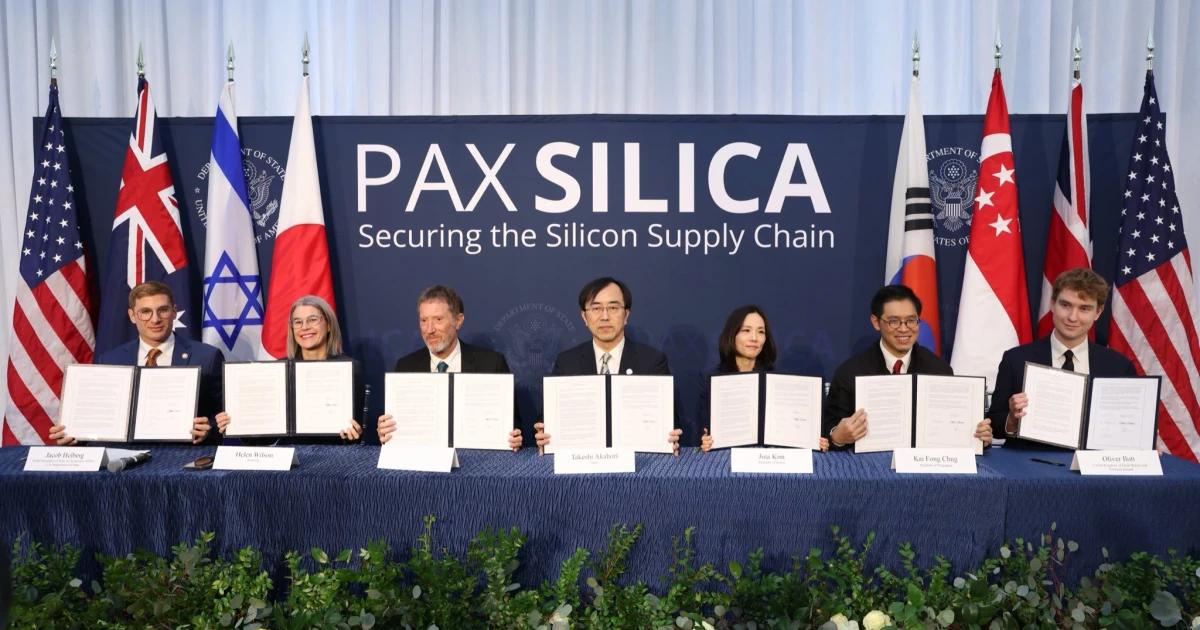
The United States launched Pax Silica in Washington, D.C., on Dec. 12, 2025, sealing a joint preamble with Japan and bringing Japan, Israel, Australia, Singapore and South Korea into the inaugural signing. The State Department has cast the effort as its flagship on AI and supply chain security, a bid to build a secure, prosperous, innovation-driven silicon supply chain rooted in deeper cooperation with trusted partners.
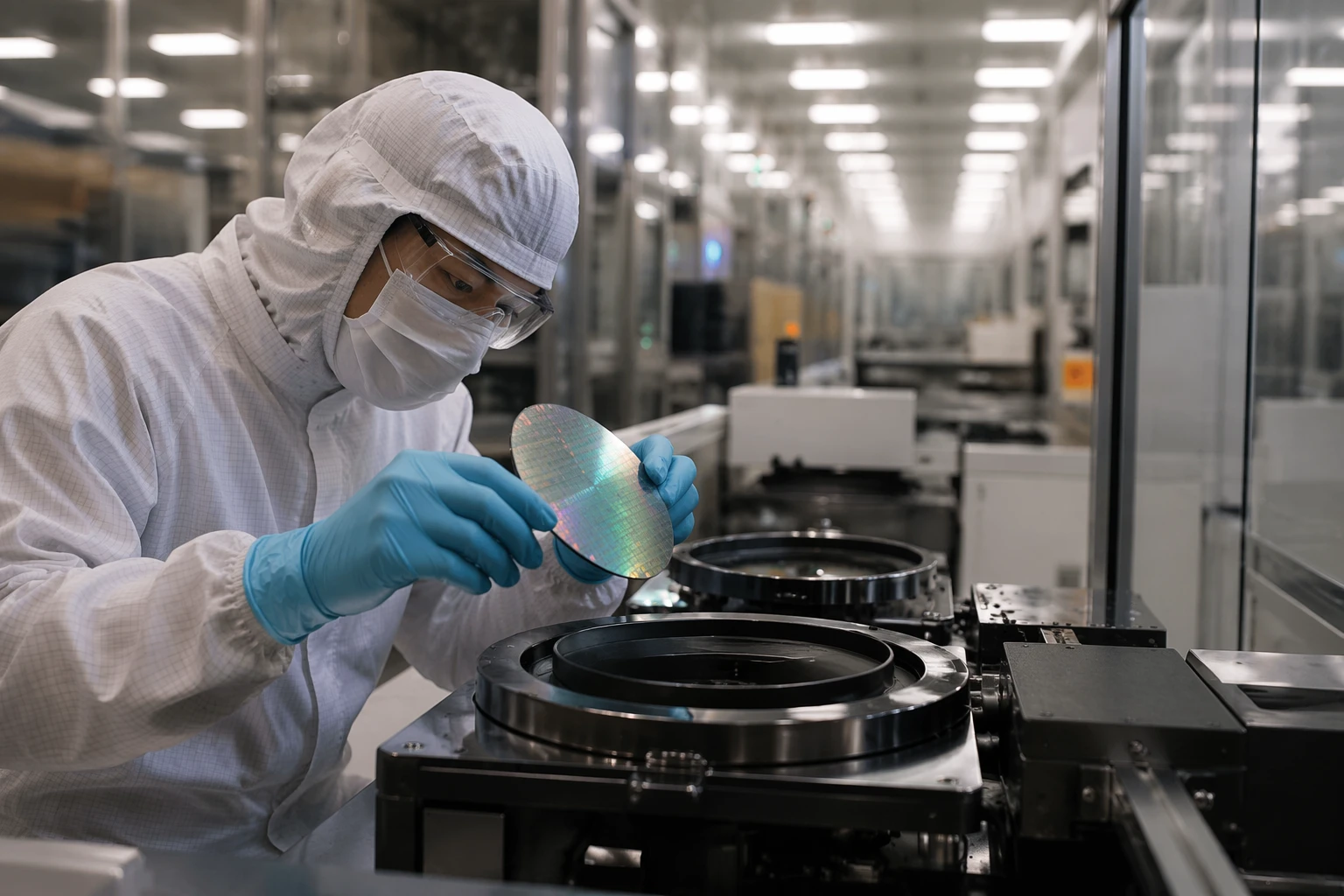
Pax Silica reaches far beyond chips alone. The State Department says the initiative spans critical minerals and energy inputs, advanced manufacturing, semiconductors, AI infrastructure and logistics, with the explicit aim of reducing coercive dependencies and single points of failure. That framing places the project squarely in national-security and industrial-policy territory, where access to the inputs behind high-end computer chips increasingly determines who can build and scale advanced AI systems.
The financial test comes from the planned Pax Silica Fund. In March 2026, the State Department said it intended, working with Congress, to allocate $250 million in foreign assistance funding for the new fund, which is meant to support critical minerals extraction, processing, critical infrastructure and manufacturing assets tied to secure semiconductor supply chains. That scale signals ambition, but it also shows how much rebuilding remains if allies are to make meaningful gains against China’s entrenched position in key materials and manufacturing bottlenecks.
The coalition has already widened beyond the Indo-Pacific partners that opened the effort. Sweden became the first European Union member state to sign the Pax Silica Declaration in March 2026, a sign that Europe is beginning to fold its own strategic autonomy agenda into the same conversation. Then, on June 3, 2026, the European Commission adopted a technology sovereignty package that included proposed Chips Act 2.0 and Cloud and AI Development Act measures, underscoring that Brussels is pushing to strengthen its own semiconductor and AI capacity at the same time.
China remains the central pressure point. Recent reporting has highlighted Beijing’s tighter export restrictions involving U.S. firms tied to the AI supply chain, reinforcing why Washington is trying to diversify mineral, chip and logistics dependencies before another disruption hits. The State Department calls Pax Silica a positive-sum partnership, not an effort to isolate others, but its success will depend on whether allies can move fast enough, invest enough and coordinate closely enough to close gaps that China has spent years building.
Sources
- [1]cbsnews.com
- [2]state.gov
- [3]commission.europa.eu