US News
U.S. launches second day of strikes on Iran as tensions escalate
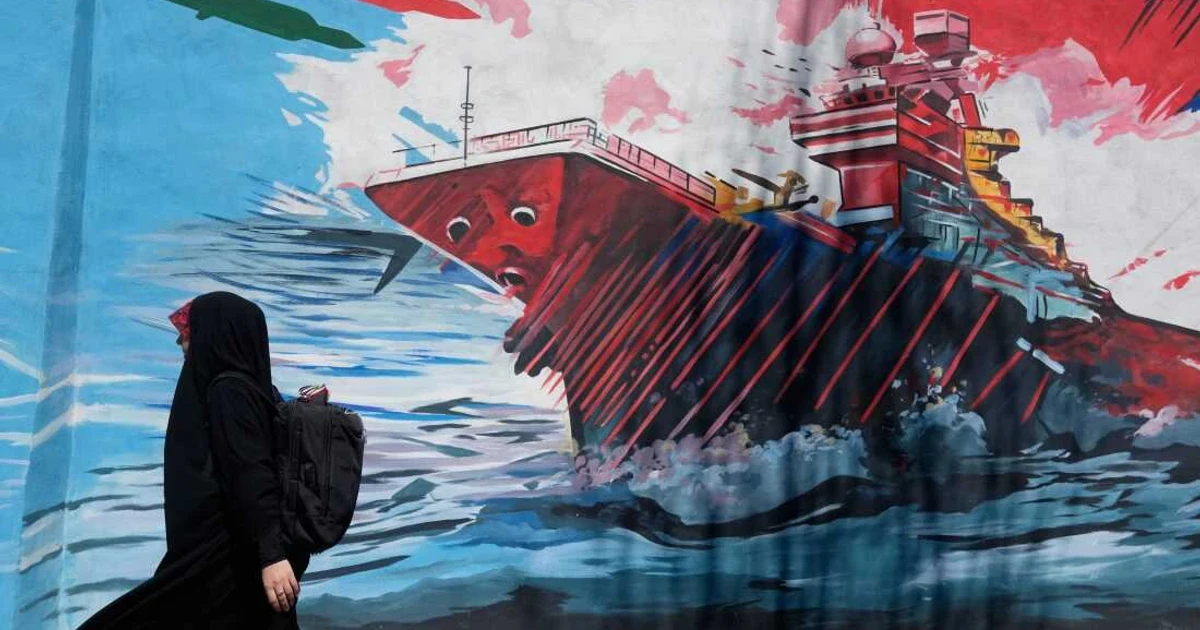
The confrontation between the United States and Iran widened sharply as American forces carried out a second day of airstrikes and Tehran answered with attacks that reached Gulf Arab states and Jordan. President Donald Trump warned Iran it would “pay the price” for stalled negotiations, signaling that Washington is treating the conflict as an open-ended test of strength rather than a brief exchange.
The latest strikes follow earlier U.S. action in southern Iran on May 26, deepening fears that the fight could spill across the Strait of Hormuz and rattle the wider Gulf. That waterway remains one of the world’s most sensitive energy chokepoints, and each new round of attacks raises the risk that shipping, oil flows and regional military positions could come under pressure. For U.S. forces, the danger is immediate: every retaliatory move by Iran and its regional network increases the chance of a miscalculation that could pull American troops into a broader war.
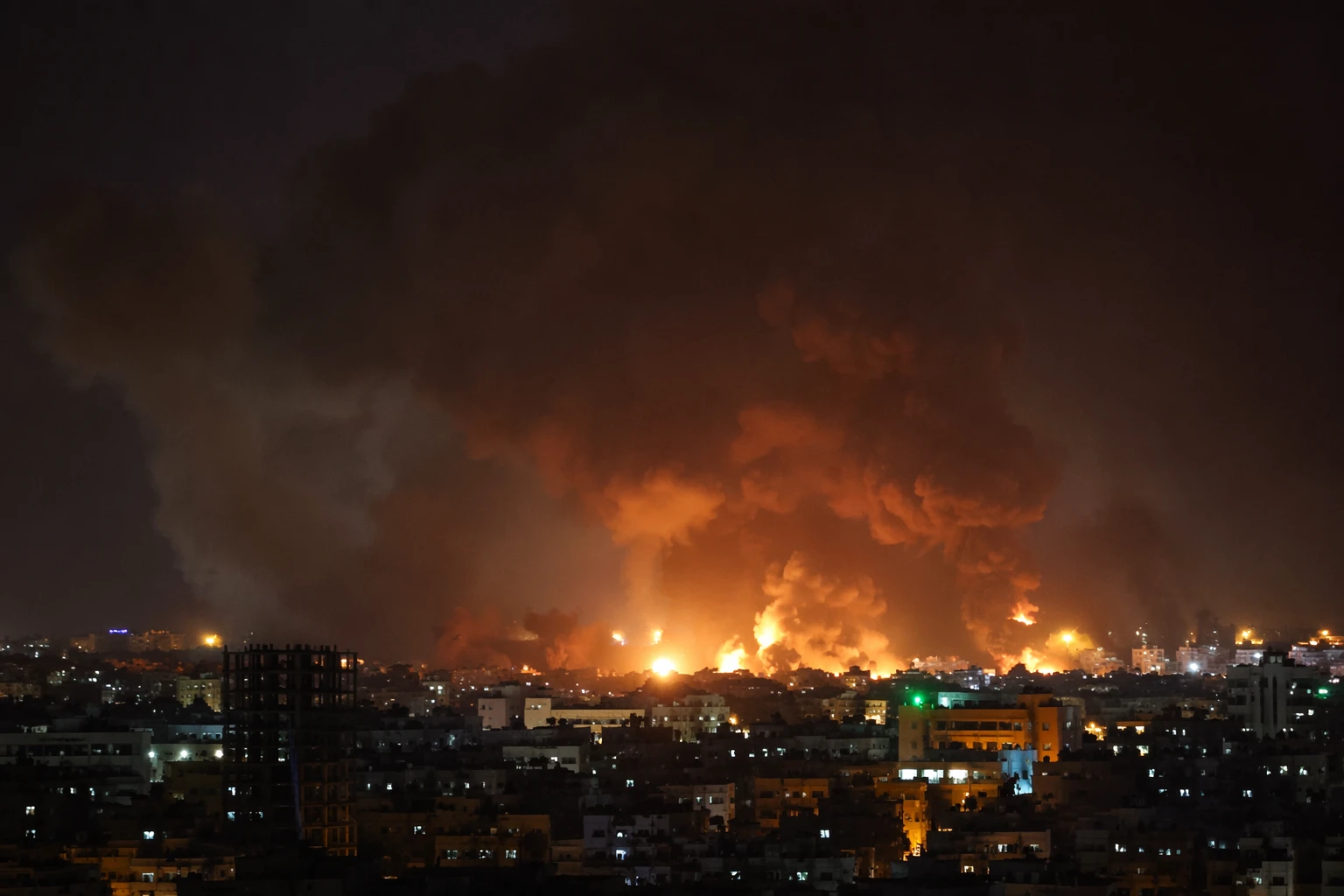
Iran’s response has already expanded the battlefield beyond its own territory. By firing back at Gulf Arab states and Jordan, Tehran is sending a message that allies of Washington may be forced to absorb the fallout, even when they are not the direct target of the original strikes. That widens the political and security burden on regional governments that depend on U.S. protection but would bear the first costs of any escalation in their airspace, ports or energy infrastructure.
The conflict is also showing up in the U.S. economy. Consumer prices rose 4.2% in May from a year earlier, the fastest annual pace since early 2023, and climbed 0.5% from April. Analysts tied part of the increase to surging energy prices linked to the Iran conflict, warning that higher fuel costs are starting to erode wage gains and complicate the outlook for households already under strain.
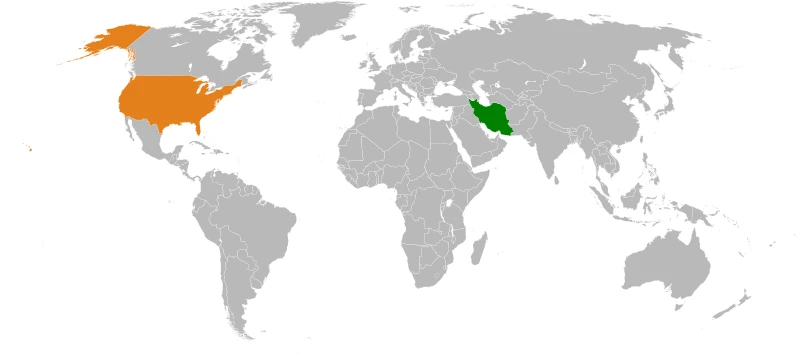
What happens next will depend on whether the exchange can be contained or whether the strikes, counterstrikes and threats begin to spread across the region with no clear off-ramp. With negotiations stalled and both sides escalating publicly, the stakes now extend well beyond the battlefield to energy markets, allied capitals and the stability of the broader Middle East.
Sources
- [1]npr.org
- [2]apnews.com
- [3]aljazeera.com
- [4]bloomberg.com
- [5]fifa.com
- [6]latimes.com