World
U.S. launches second wave of strikes against Iran over shipping attacks
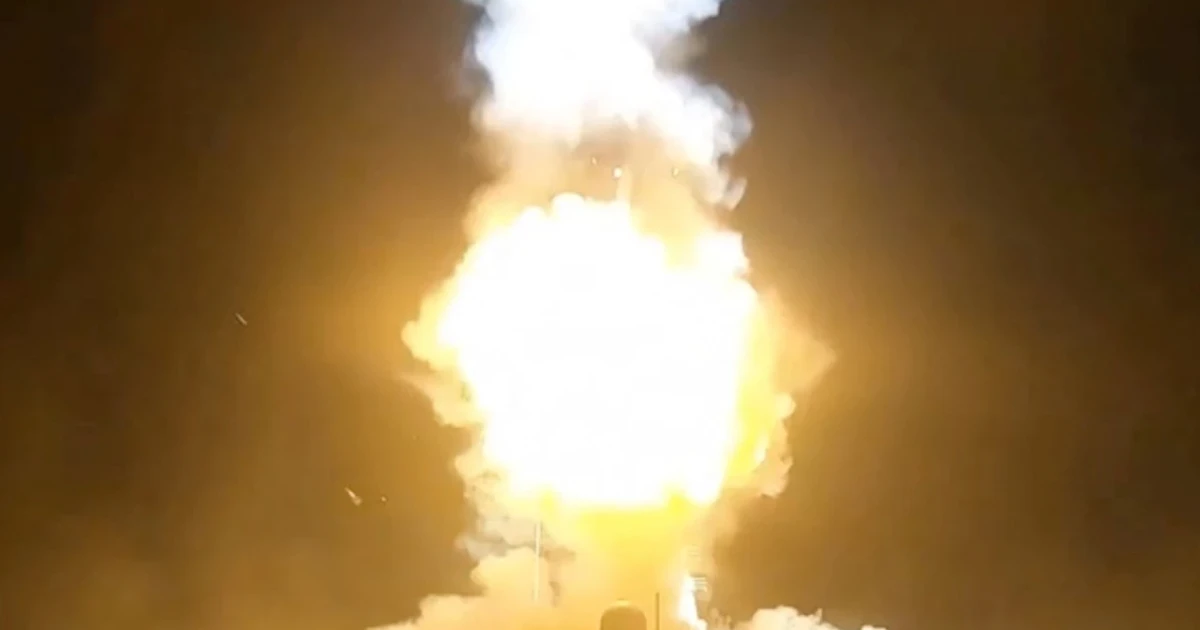
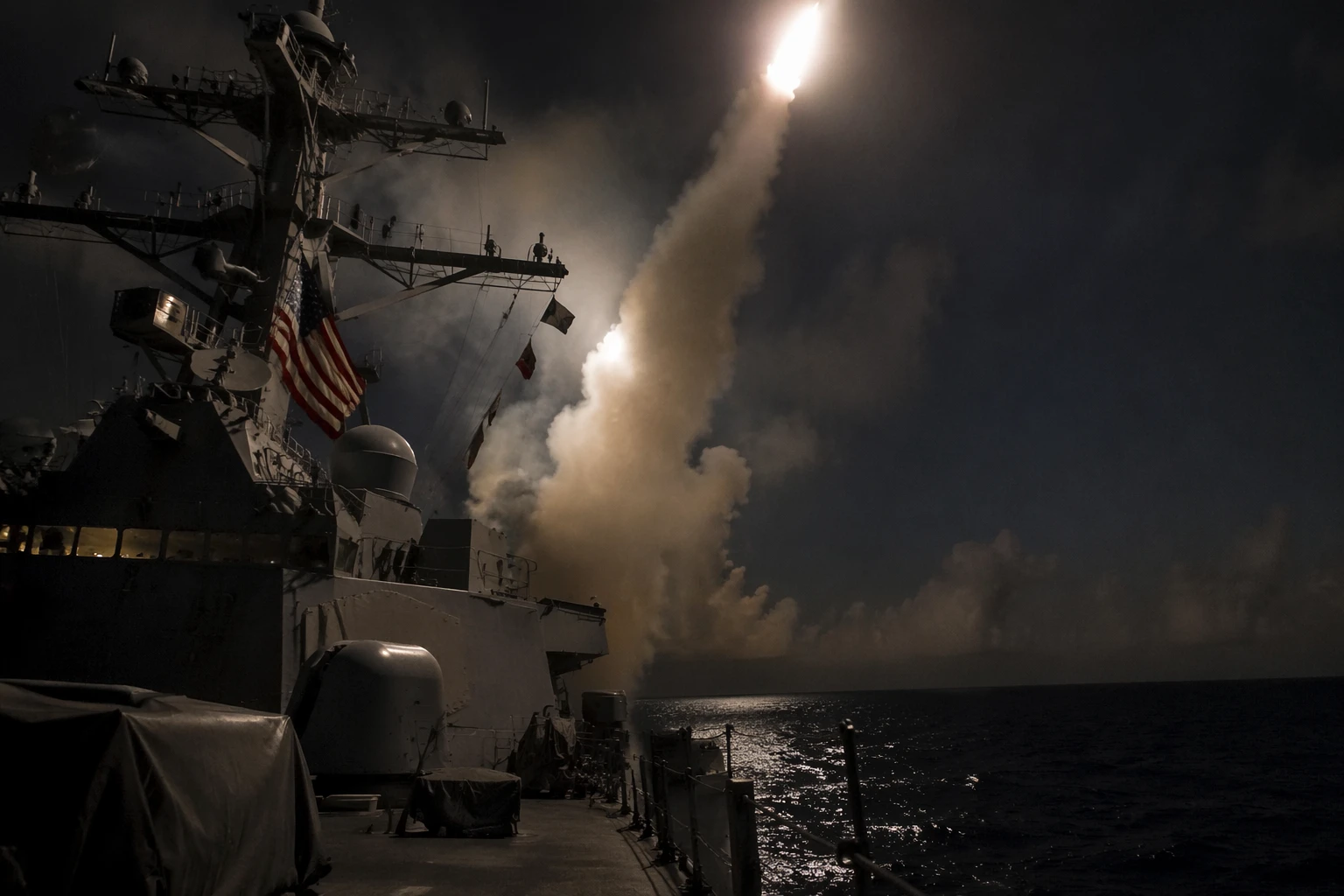
U.S. Central Command said it launched a second wave of strikes against Iran, hitting dozens of targets at multiple locations and extending a campaign built around keeping the Strait of Hormuz open to commercial shipping. The latest round targeted Iranian military air-defense systems, coastal radar sites, missile and drone capabilities, and small boats, a mix that shows Washington is now trying to suppress the tools Iran could use to challenge tankers and U.S. forces at the same time.
The tempo has quickened across several days. CENTCOM said it completed a new wave of offensive strikes on July 12, then followed with a separate package on July 11 that hit about 140 Iranian military targets. Another round on July 8 struck about 90 targets, and a July 7 operation hit more than 80 targets after attacks on commercial vessels transiting the Strait of Hormuz. That sequence marks a shift from isolated retaliation toward repeated, expanding strikes aimed at degrading Iran’s ability to interfere with one of the world’s most important oil corridors.
Officials are drawing a practical line between limited retaliation and a broader regional war. So far, the U.S. focus has stayed on military sites and defensive systems tied to the shipping threat, rather than on a wider set of Iranian state infrastructure or direct attacks on population centers. But the threshold for escalation remains narrow: if Iran expands its response beyond harassment of shipping and into sustained attacks on U.S. troops, regional bases, or major Gulf energy infrastructure, the conflict would move closer to a broader regional confrontation.
CBS News said President Donald Trump has threatened more strikes and told lawmakers in a letter that “military action” against Iran restarted last week. Retired Navy Vice Adm. Robert Murrett said in CBS coverage that the scope of the conflict had expanded dramatically and suggested U.S.-Iran relations were entering a new phase. That assessment reflects the scale of the targeting and the pace of repeated strikes, not just a single reprisal.
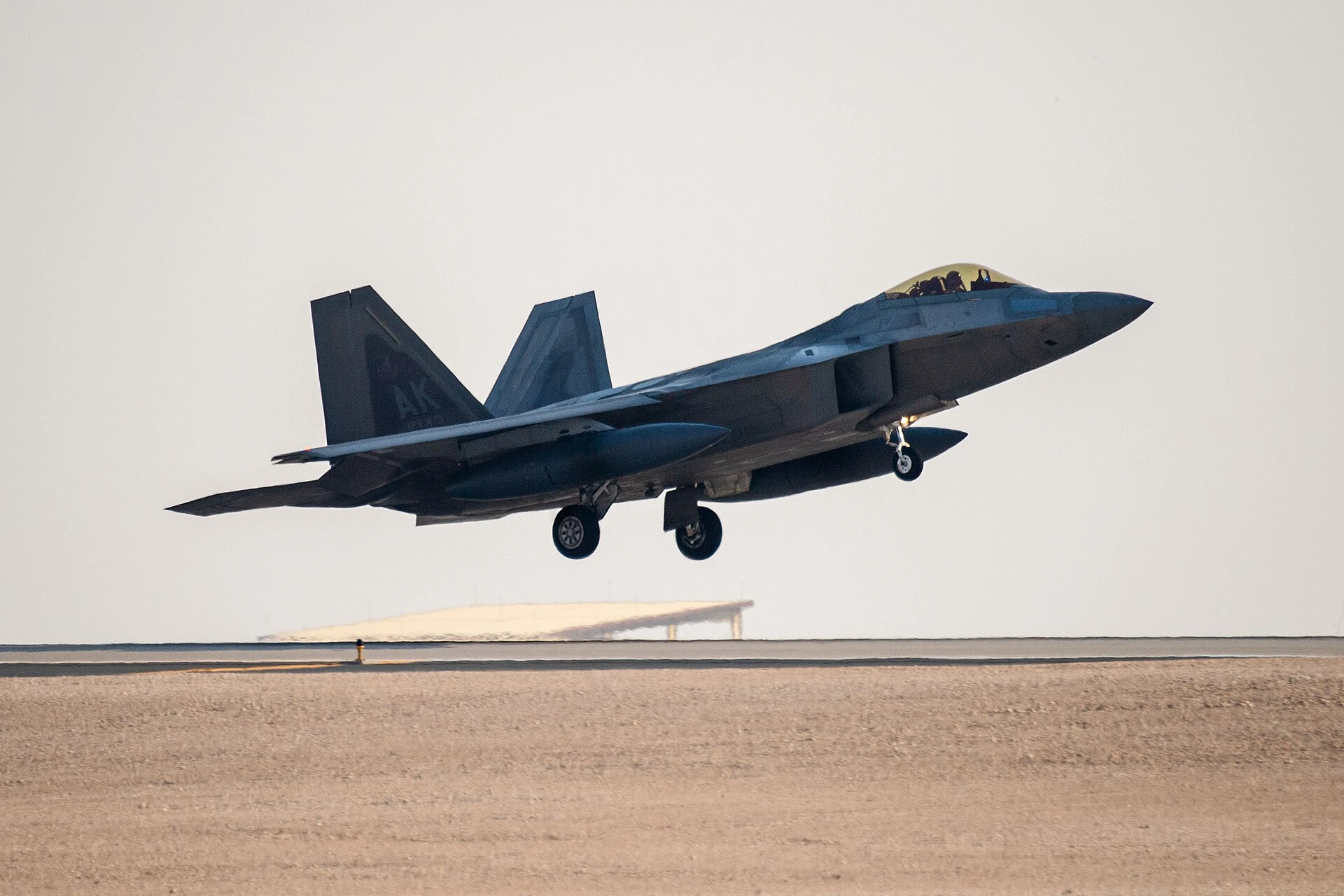
The stakes are high because the Strait of Hormuz is a critical global oil shipping chokepoint, and any disruption quickly reverberates through energy markets and freight flows. CENTCOM said more than 50,000 U.S. service members are deployed across the Middle East, leaving American troops within range if Tehran chooses to answer with missile fire, drones, or proxy attacks instead of limiting itself to pressure on shipping lanes.
Sources
- [1]cbsnews.com
- [2]centcom.mil