World
U.S. launches third straight night of strikes on Iran
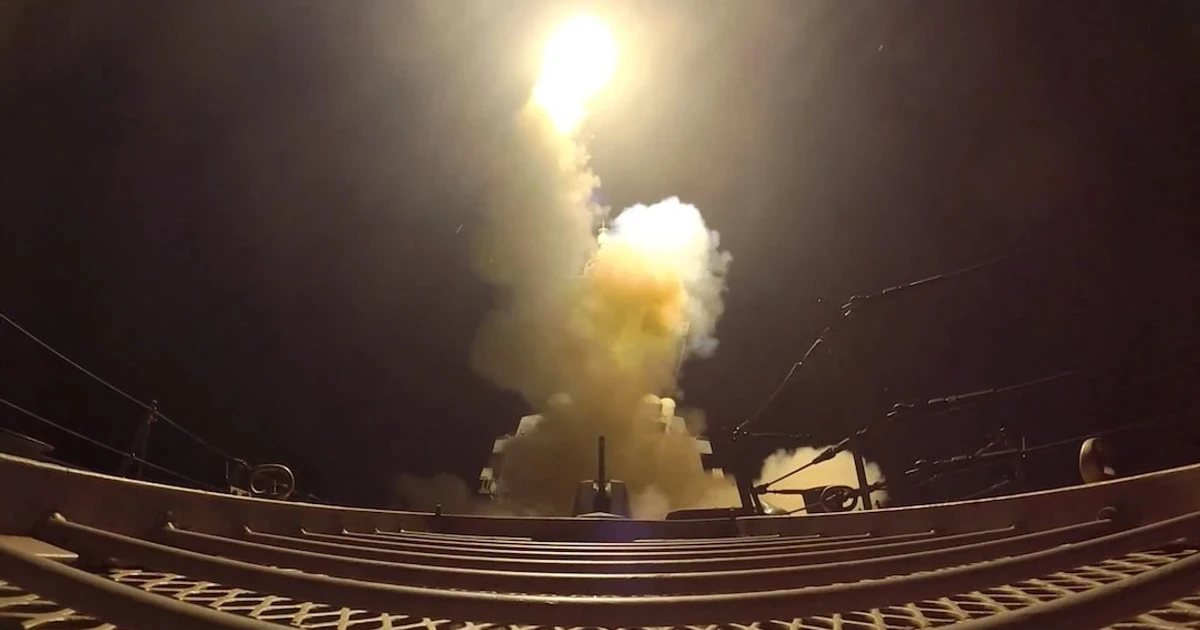
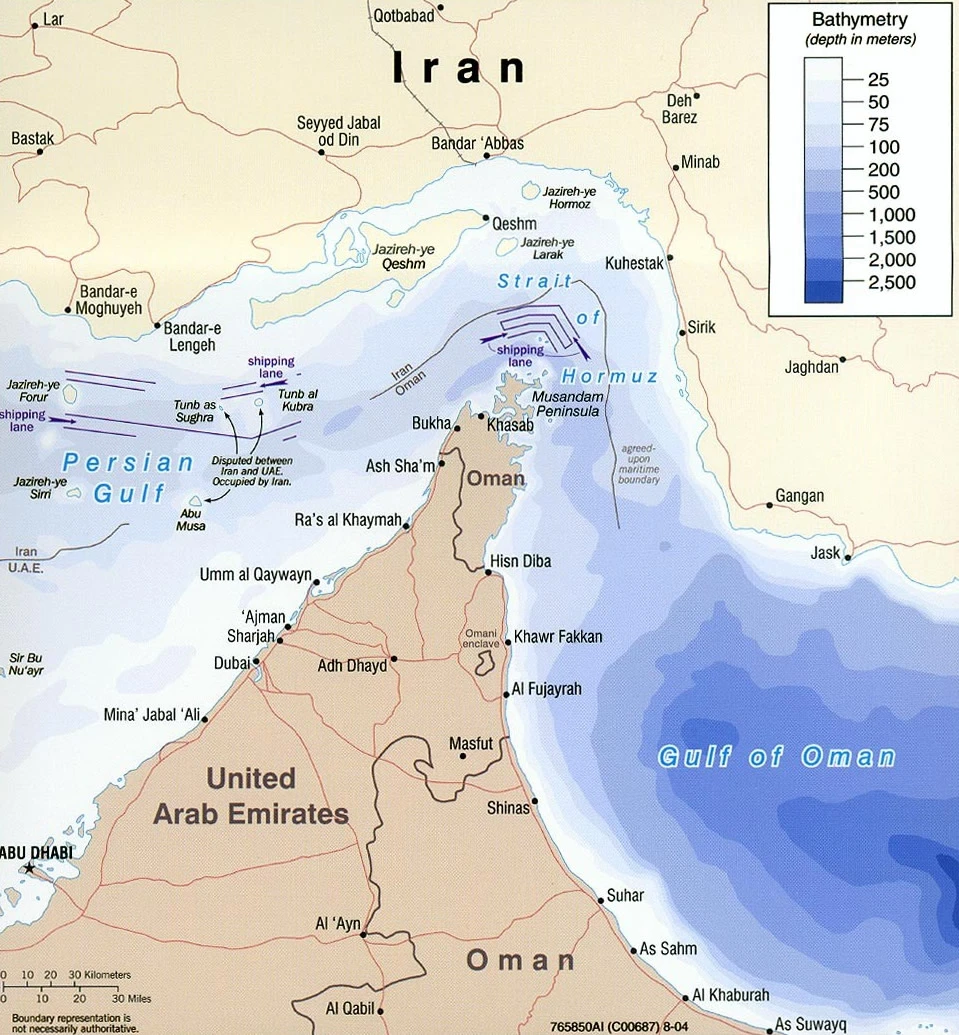
U.S. airstrikes hit Iran for a third straight night Monday, deepening a campaign that CENTCOM tied to attacks on commercial shipping in the Strait of Hormuz. The White House has said its goal is to protect tankers and U.S. interests, but the pace of the strikes has turned the confrontation into a test of how far each side will push before the region widens into a broader war.
Trump told lawmakers that military action against Iran restarted last week, and on Monday he said the United States would be “the guardian” of the Strait of Hormuz, adding that other countries would pay for securing it. That puts the administration’s objectives in plain view: keep the waterway open, deter more attacks on commercial vessels, and signal that Washington is willing to absorb the diplomatic and political fallout of a sustained air campaign.
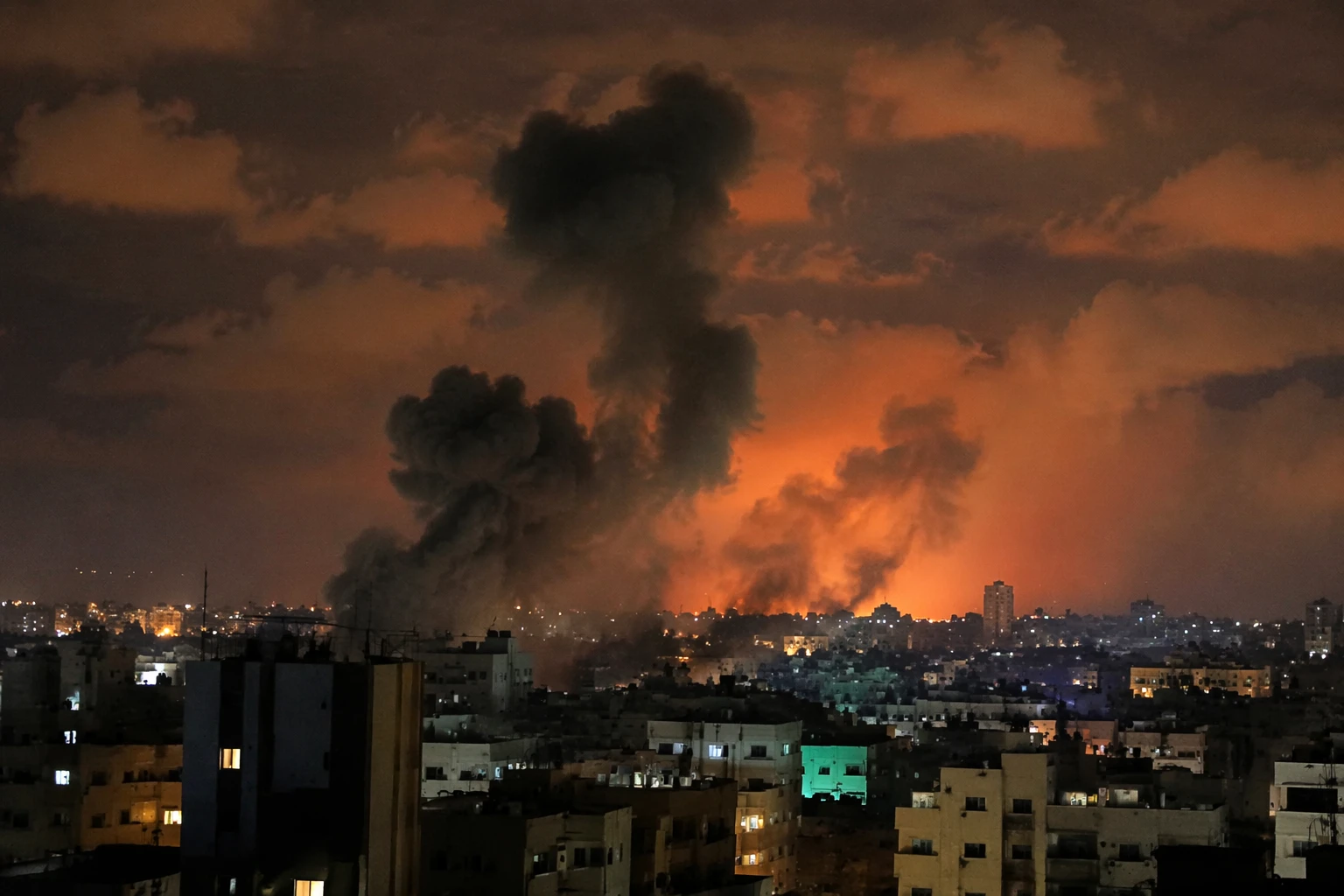
The escalation has already produced a cycle of retaliation. The U.S. said it launched a “series of powerful strikes” after Iranian attacks on three commercial vessels in the Strait of Hormuz. Iran then launched more missiles at U.S. allies Thursday, and at least 14 people were killed in U.S. airstrikes over the previous two days of fighting. The next Iranian response could still take several paths, from fresh strikes on shipping to attacks on U.S. troops or allied targets in the region, any of which would force the White House to decide whether to widen the campaign or try to freeze it in place.

Congress is another pressure point. Trump’s formal notice to lawmakers makes the conflict more than a military operation abroad; it is also a war-powers test in Washington. If the strikes continue, the administration will have to keep justifying how long it can fight under existing authority, especially if the cost starts to include U.S. personnel or a sharper disruption to shipping lanes.
The crisis sits on top of a longer breakdown in diplomacy. Iran and the United States were scheduled to hold nuclear talks in Geneva on Feb. 27, 2026, as a major U.S. military buildup in the Middle East was already raising the temperature. The U.S. withdrew from the 2015 nuclear agreement on May 8, 2018, and national security analyst Joe Cirincione has been part of the debate over whether military action can meaningfully constrain Tehran’s nuclear ambitions. There is no technical dead man’s switch that would automatically trigger retaliation if a president were killed, leaving the next move to human judgment at the top.
Sources
- [1]cbsnews.com
- [2]pbs.org