Politics
US Lawmakers Raise Concerns Over South Korea’s Business Policies
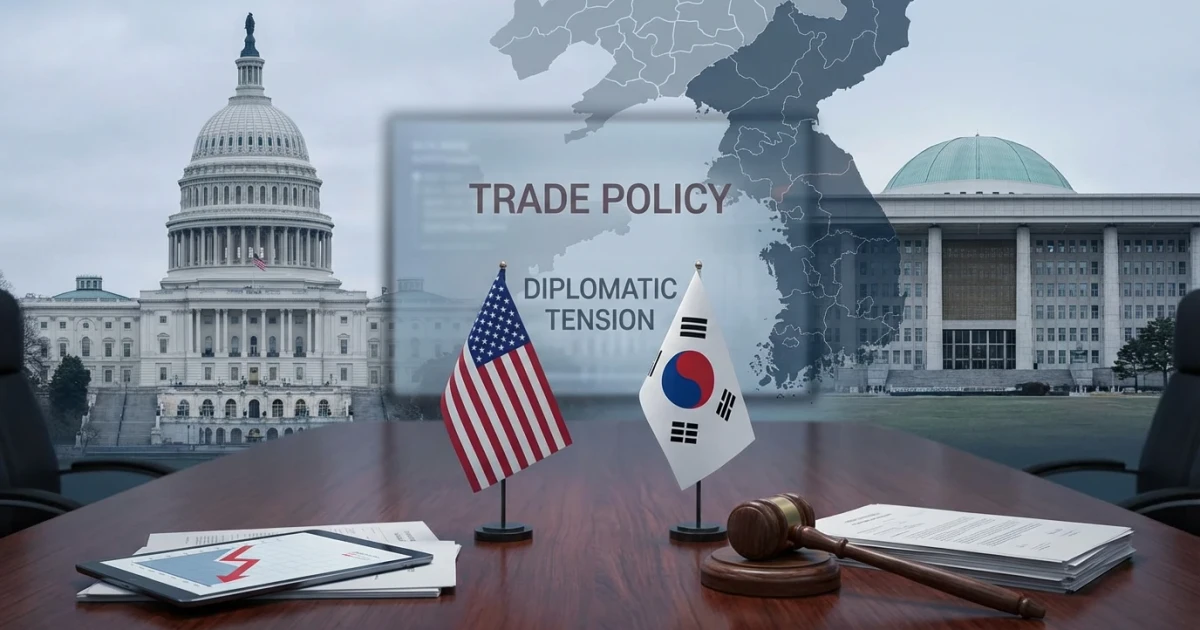
More than 50 members of the US House of Representatives have voiced concerns that South Korea’s recently elected left-wing government is pursuing policies that may disadvantage American businesses while fostering closer economic relations with China. The allegations highlight growing tensions in the international business landscape and the complex dynamics of the US–South Korea–China relationship.
Allegations of Unfair Treatment Toward US Companies
According to Fox News, the group of lawmakers accuses the South Korean administration of implementing measures that could undermine the interests of US firms operating in the country. Although specific policy actions were not detailed in initial reports, longstanding issues in the bilateral trade environment have included regulatory hurdles, market access challenges, and preferential treatment for domestic or regional rivals. The US has a substantial economic presence in South Korea, with American companies active in sectors such as technology, automotive, and energy.
- South Korea is one of the top trading partners for the United States, with two-way trade in goods and services exceeding $170 billion annually.
- The US–Korea Free Trade Agreement (KORUS FTA) has been central to trade and investment policy between the two countries.
Alleged Favoritism Toward China
The lawmakers’ letter also claims that the new South Korean government is shifting its economic focus toward China, raising concerns about the potential erosion of US influence in the region. China is South Korea’s largest trading partner, and any policy changes that favor Chinese firms could impact American competitiveness in the Korean market.
- China accounted for roughly one-quarter of South Korea’s total exports in recent years, according to official government data.
- Foreign direct investment flows among the US, China, and South Korea reflect a competitive and sometimes tense triangular relationship.
Context: Shifting Political and Economic Landscape
The criticism from US lawmakers comes amid a period of political transition in South Korea, following the election of a government with left-leaning policies. Historically, shifts in administration have led to adjustments in domestic and foreign economic priorities. The White House has previously emphasized the importance of the US–South Korea alliance, particularly in the context of maintaining a free and fair Indo-Pacific region.
However, South Korea’s reliance on trade with both the US and China creates a delicate balance. According to the US State Department’s 2023 Investment Climate Statement, American businesses have generally found a stable operating environment in South Korea, though concerns about regulatory transparency and protectionism persist.
What’s Next for US–South Korea Economic Relations?
The letter from House members signals potential friction as the US seeks to protect its economic interests in Asia. While no official action has been announced, the accusations could lead to further diplomatic engagement or policy responses from both sides. Close monitoring of trade and investment flows, as well as regulatory changes, will be essential for businesses and policymakers alike.
As the situation develops, the future of US–South Korea economic ties will likely depend on how the two governments address concerns about fairness, transparency, and strategic alignment in the region.