US News
U.S. Lifts Russian Oil Ban Amid Rising Energy Costs
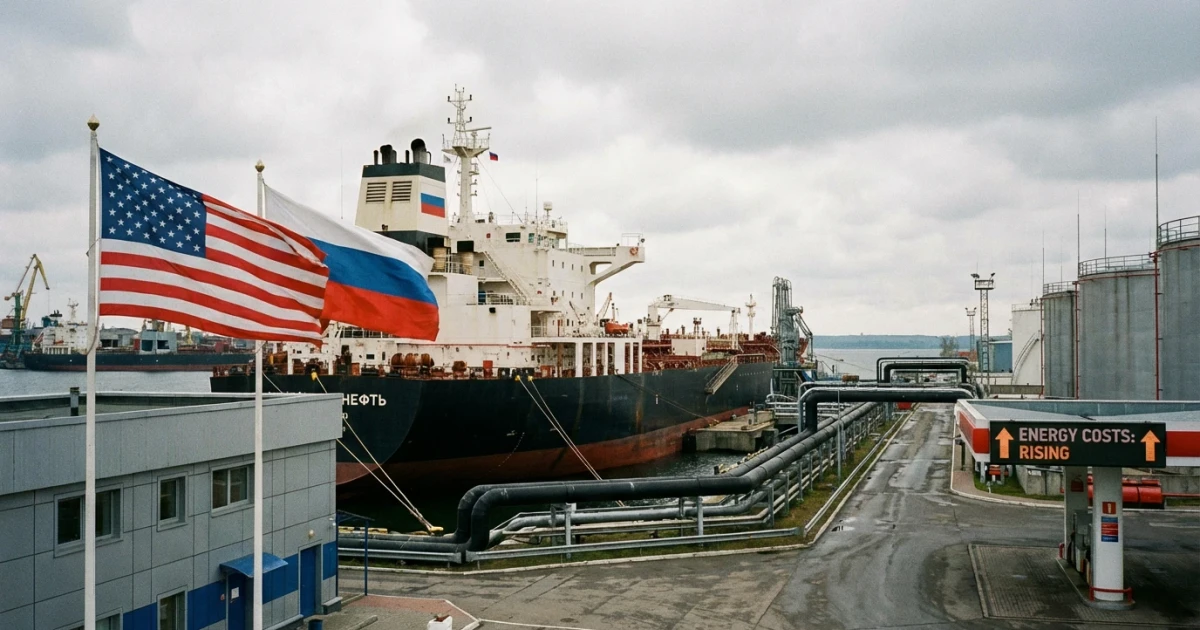
The Trump administration has moved to lift restrictions on the import of Russian oil, a decision that comes as energy prices reach new highs and consumers face mounting costs at the pump. The policy shift marks a significant change in U.S.-Russia energy relations, with potential economic and political implications both domestically and abroad.
Policy Change Amid Surging Energy Prices
The Washington Post reported that the administration’s decision allows for renewed U.S. imports of Russian crude oil and petroleum products. This policy adjustment comes as energy prices have soared globally, impacting American households and industries. The move is intended to increase supply in the U.S. market and alleviate upward pressure on fuel costs.
- Oil prices have surged in recent months, with volatility stemming from supply constraints and geopolitical tensions.
- U.S. consumers are experiencing higher gasoline and heating costs, intensifying calls for government action.
The administration’s decision effectively suspends certain sanctions previously imposed on Russian energy exports. Official records detailing the scope and legal basis of these sanctions can be found in the U.S. Treasury’s Ukraine/Russia-related sanctions program overview.
Economic and Political Implications
The resumption of Russian oil sales to the U.S. is expected to yield economic gains for Russia, providing much-needed revenue for its energy sector after months of restricted access to Western markets.
- Data from the Statista database shows that U.S. imports of Russian crude oil had dropped sharply during the previous sanctions period.
- The policy shift may help stabilize U.S. fuel prices but also raises concerns about the leverage this gives Russia in global energy markets.
While the administration has framed the move as a pragmatic response to market realities, critics argue that it may undermine broader efforts to pressure Russia over its foreign policy actions. The U.S. State Department provides ongoing updates on sanctions and policy information related to Russia, highlighting the complexities of balancing economic needs with foreign policy goals.
Global Energy Market Context
This policy reversal comes amid continued global energy market volatility. According to the International Energy Agency’s Global Energy Review 2022, oil supply disruptions and geopolitical tensions have contributed to rising prices and uncertainty about future supply chains.
Analysts note that while increasing imports from Russia may provide short-term relief for U.S. consumers, it could complicate international efforts to maintain a unified stance on sanctions and encourage long-term investment in alternative energy sources.
Looking Ahead
The Trump administration’s decision underscores the ongoing challenge of balancing economic pressures with geopolitical considerations. As the U.S. seeks to manage energy affordability for its citizens, the global implications of restoring Russian oil imports will likely remain the subject of debate among policymakers, industry leaders, and the international community.
For readers interested in the official data and policy documents underlying these developments, resources such as the U.S. Census Bureau’s monthly trade report and the Baker Institute’s research on Russian oil exports offer detailed insights into evolving trade patterns and regulatory changes.