World
US Loosens Venezuela Oil Sanctions Amid Global Supply Concerns
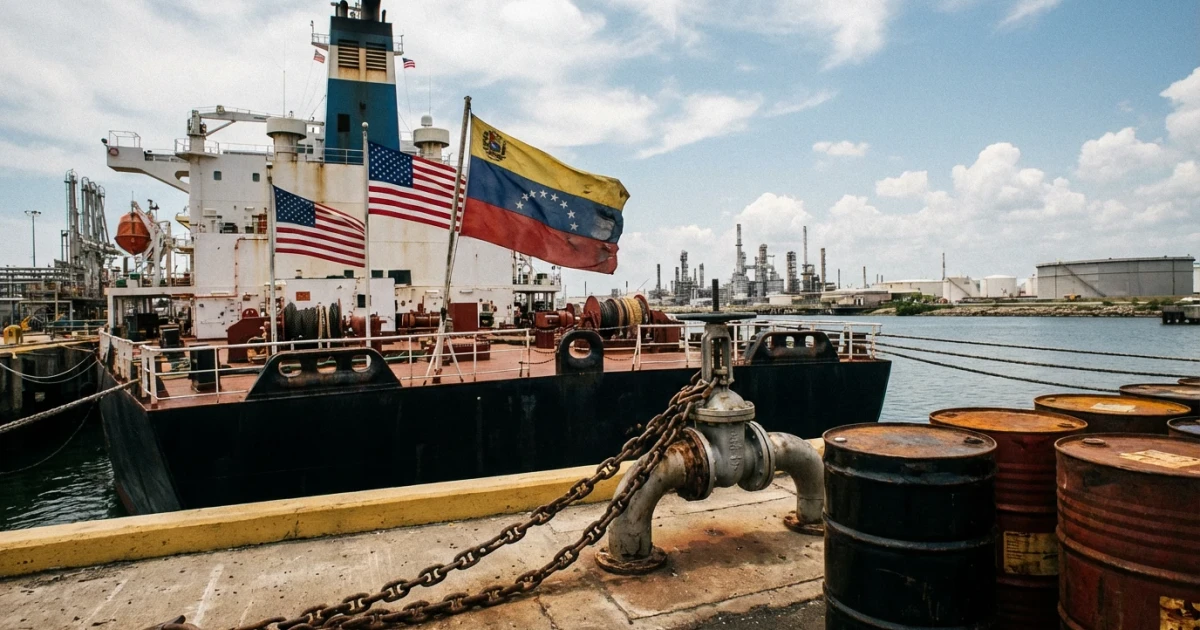
The United States has eased key oil sanctions on Venezuela, a move intended to shore up global petroleum supplies as the ongoing conflict in Iran threatens to squeeze international markets. The Biden administration’s decision marks a significant shift in US energy and foreign policy, reflecting renewed urgency to stabilize world oil supply as geopolitical tensions escalate.
Sanctions Relief Targets Oil Exports
The US Treasury’s Office of Foreign Assets Control (OFAC) has officially relaxed some of the restrictions that have long hampered Venezuela’s oil sector. The adjustment permits greater volumes of Venezuelan crude to enter global markets, a step the administration hopes will offset the supply disruptions caused by the war in Iran. The Venezuela sanctions program has been central to US policy since 2019, but recent instability has forced a recalibration.
- US imports of Venezuelan crude plummeted after 2019 but have shown modest upticks when sanctions were temporarily eased in the past. (EIA data)
- Venezuela’s oil production has struggled under international sanctions, dropping from more than 2 million barrels per day in 2015 to under 800,000 barrels per day by 2023. (OPEC Monthly Report)
Geopolitical Context: War in Iran Rattles Markets
The backdrop for this policy change is the ongoing conflict in Iran, which has sent ripples through the global oil market and threatened to tighten supply chains. With Iran’s exports severely curtailed by war, oil prices have climbed, putting pressure on major consumers and economies worldwide. The US hopes that Venezuelan output can help buffer the international market against further shocks.
Sanctions and US-Venezuela Relations
US sanctions on Venezuela have been a key tool for pressuring the Maduro government, targeting the country’s primary revenue source—oil exports. The State Department maintains that the sanctions program has been linked to broader concerns over human rights and democracy. However, experts at Rice University’s Baker Institute note that the sanctions have also contributed to Venezuela’s economic decline and limited its ability to maintain oil infrastructure. (Baker Institute analysis)
- Sanctions have complicated maintenance and investment in Venezuela’s energy sector, leading to aging infrastructure and declining output.
- Previous limited license programs have allowed some US and European companies to resume operations in Venezuela, with mixed results.
Potential Impacts on Oil Markets
With US field production of crude oil near record highs, the administration’s strategy aims to supplement domestic output with international flows. According to the EIA’s weekly data, US crude production remains robust, but global supply gaps make additional sources critical. By easing sanctions, the US is betting that increased Venezuelan exports can help cool oil prices and reduce market volatility.
Looking Ahead
The move to relax sanctions on Venezuela’s oil sector is being closely watched by energy analysts, investors, and policymakers. While the immediate goal is to offset the supply shock from Iran’s conflict, the longer-term implications for US-Venezuela relations and the global energy system remain uncertain. As the geopolitical landscape evolves, the effectiveness of this policy shift—and its potential consequences for both countries—will be measured in the coming months.