Technology
US Maintains Data Center Edge as China Closes AI Model Gap
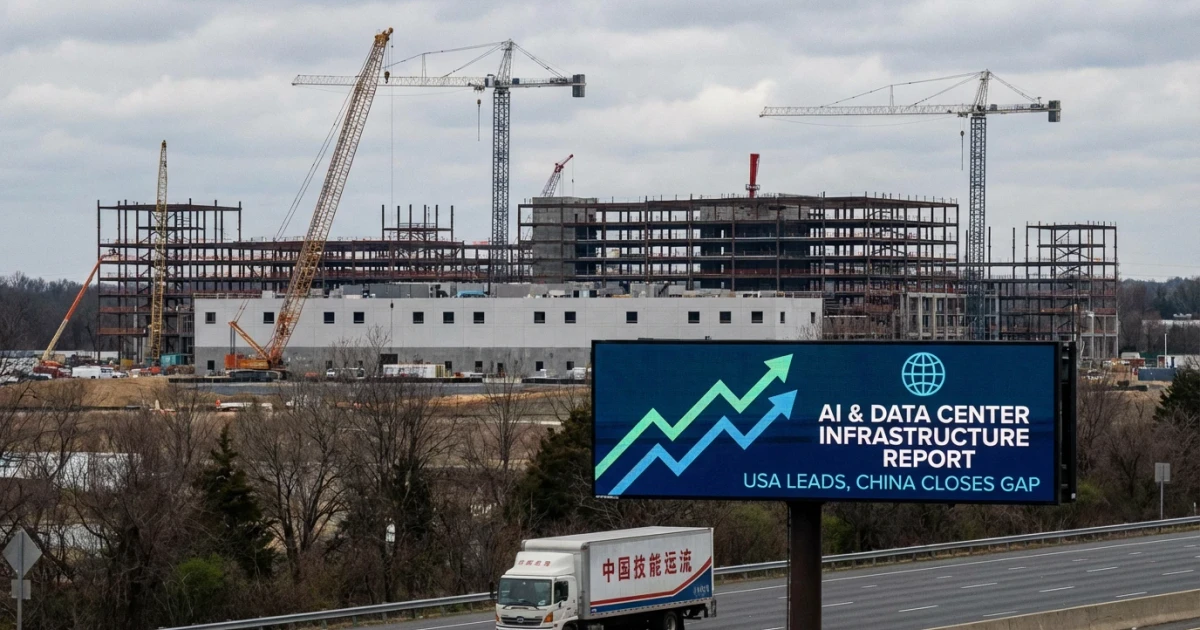
The United States continues to dominate global data center capacity, but China is rapidly catching up in artificial intelligence (AI) model development, according to new analysis from MeriTalk. This evolving dynamic between two technological superpowers highlights both the strengths and challenges each nation faces in the race for AI leadership.
US Leads in Data Center Infrastructure
Data centers form the backbone of advanced AI systems, providing the computing power necessary for developing and running large-scale models. The US holds a clear lead in this domain, with a greater number of data centers and total capacity compared to China. This advantage is supported by the Uptime Institute’s Global Data Center Survey, which highlights strong US investment and a diverse network of facilities powering research, cloud services, and enterprise applications.
- The US accounts for a significant share of global hyperscale data centers, essential for training and deploying large AI models.
- Major technology firms, including Google, Microsoft, and Amazon, continue to expand data center footprints, reinforcing the US position.
- Access to advanced hardware, such as GPUs and specialized AI chips, further strengthens this advantage.
China Narrows the AI Model Development Gap
While the US remains ahead in infrastructure, China is quickly closing the gap in the development and deployment of advanced AI models. MeriTalk’s reporting aligns with analysis from the CSIS AI China Tracker, which notes a surge in Chinese investment, research output, and model sophistication.
- Chinese companies and research institutes have launched several large language models and vision systems rivaling Western counterparts.
- China’s government has implemented targeted AI funding initiatives to accelerate innovation and adoption.
- Talent development and cross-sector collaboration are priorities, fueling rapid progress in both academic and commercial applications.
Competitive Landscape and Strategic Implications
Multiple analyses, including the ITIF’s 2023 AI research update, confirm that while the US sees continued strength in foundational infrastructure and research output, China’s momentum in AI model deployment is significant. The narrowing gap suggests a more competitive future, with each country leveraging unique strengths:
- US advantages: Deep data center infrastructure, access to cutting-edge hardware, robust private sector investment, and open research culture.
- China’s strengths: State-driven funding, rapid scaling of AI models, and coordinated policy initiatives to support domestic tech champions.
Key Challenges and Collaboration Potential
Experts note that ongoing export controls and geopolitical tensions could impact the flow of critical hardware and research collaboration. Both nations face challenges in balancing innovation with security considerations and ethical use of AI technologies.
Despite competition, there are calls for greater transparency and potential collaboration on AI safety and standards to mitigate global risks.
Looking Ahead
As the AI race intensifies, the US’s leadership in data center infrastructure remains a critical asset, but China’s rapid advances in model development suggest a shifting landscape. Policymakers and industry leaders in both countries are likely to prioritize continued investment, innovation, and global engagement as AI technologies become increasingly central to economic and strategic competition.
The coming years will test the ability of each nation to leverage their respective strengths while navigating the complexities of an interconnected, yet competitive, AI ecosystem.