US News
U.S. Maintains Naval Blockade at Strait of Hormuz Amid Iran Conflict
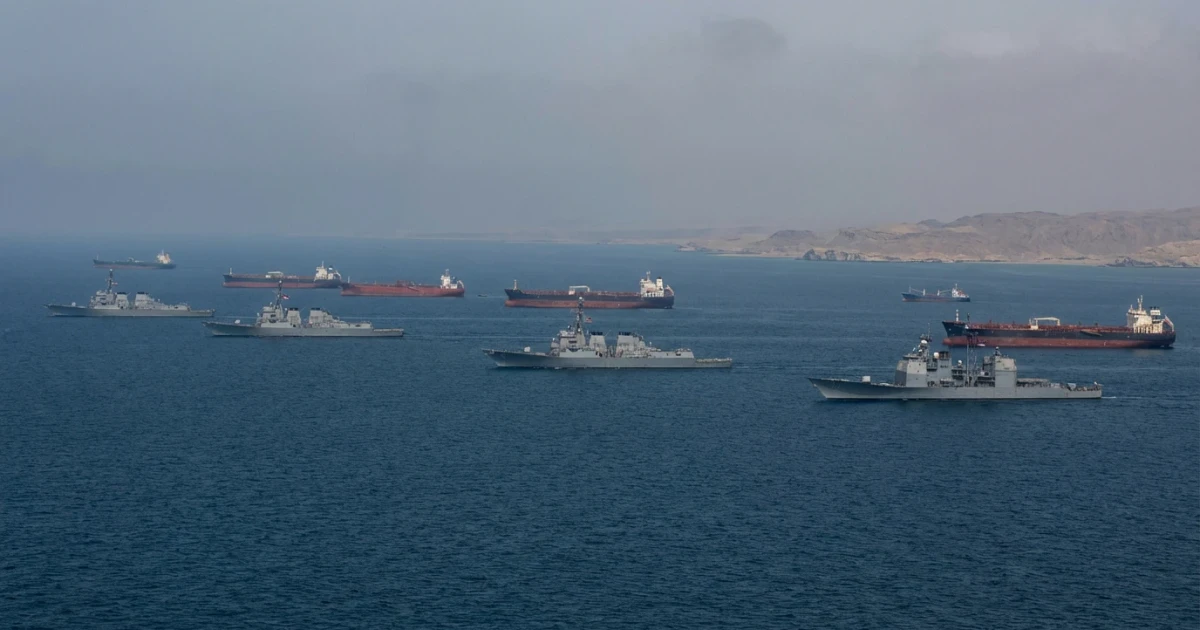
The United States has reaffirmed its commitment to a naval blockade around the Strait of Hormuz, a strategic waterway vital to global oil shipments, as tensions persist in the ongoing conflict with Iran. U.S. officials emphasized that the blockade will remain in place "as long as it takes" to achieve their objectives, according to statements reported by The New York Times.
Strategic Importance of the Strait of Hormuz
The Strait of Hormuz is one of the world's most critical maritime chokepoints. According to the U.S. Energy Information Administration, approximately 20% of global oil consumption—equating to over 17 million barrels per day—passes through the strait each year. Disruptions to shipping in this narrow passage can have immediate effects on oil prices and energy security worldwide.
- Roughly 80% of crude oil exports from the Persian Gulf region transit the Strait of Hormuz
- Live ship tracking shows ongoing congestion and rerouting as a result of the blockade
- Major energy importers such as China, Japan, India, and South Korea are particularly dependent on this route
U.S. Policy and Military Presence
Speaking on behalf of the administration, U.S. officials told The New York Times that the blockade would remain in place "as long as it takes," underscoring Washington’s intent to exert economic and strategic pressure on Iran. The U.S. Navy has deployed additional assets to the region, increasing patrols and enforcing restrictions on shipping in and out of Iranian ports.
The blockade is part of a broader set of measures, including international sanctions and diplomatic isolation, aimed at curtailing Iran’s military capabilities and pressuring Tehran into negotiations. The New York Times also reported that Trump administration envoys, including Steven Witkoff and Jared Kushner, are scheduled to fly to Pakistan for talks related to the Iran conflict, signaling ongoing diplomatic efforts to de-escalate the situation.
Impact on Global Energy Markets
With the blockade in effect, OPEC data show that oil export volumes from Persian Gulf states have dropped, raising concerns about supply shortages and price volatility. Analysts warn that prolonged disruption could have ripple effects on global oil markets and broader economic stability.
- Oil prices have shown increased volatility following the imposition of the blockade
- Insurance premiums for tankers traversing the region have surged
- Alternative routes, such as pipelines bypassing the Strait, have limited capacity
Diplomatic Maneuvers and Regional Tensions
The ongoing military posture has heightened concerns among regional actors and international organizations, with the Council on Foreign Relations noting the risk of escalation in the Persian Gulf. While the U.S. has insisted on maintaining the blockade for the foreseeable future, ongoing diplomatic visits—including those to Pakistan—highlight the parallel tracks of military pressure and negotiation.
Outlook
As the situation evolves, the world’s attention remains focused on the Strait of Hormuz. The duration and consequences of the blockade will depend on political developments and the willingness of all parties to engage in dialogue. In the near term, energy markets and regional stability remain sensitive to further disruptions or breakthroughs in negotiations.