Business
U.S., Mexico hold trade talks as Trump questions North American pact
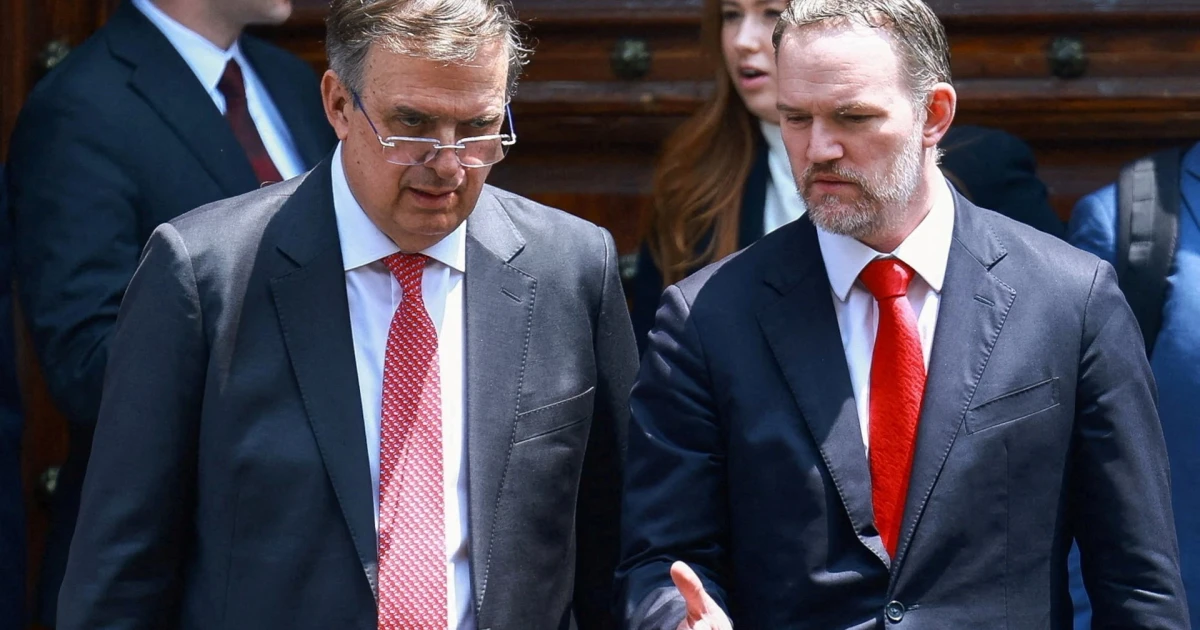
Agriculture and energy moved to the center of U.S.-Mexico trade talks in Washington as negotiators tried to reshape North American commerce just as Donald Trump raised fresh doubts about whether the three-country pact will survive. The second round of bilateral discussions opened after an earlier session in Mexico City and comes with food, fuel and border-state jobs hanging on the outcome.
The Office of the United States Trade Representative said the Washington round was part of the first mandatory joint review of the United States-Mexico-Canada Agreement, which entered into force on July 1, 2020. The agency scheduled the first round in Mexico City for May 28-29, the Washington round for June 16-17 and a third round for the week of July 20 in Mexico City. U.S. negotiators were told to reduce dependence on imports from outside the region, strengthen North American supply chains and push a level playing field across the pact.
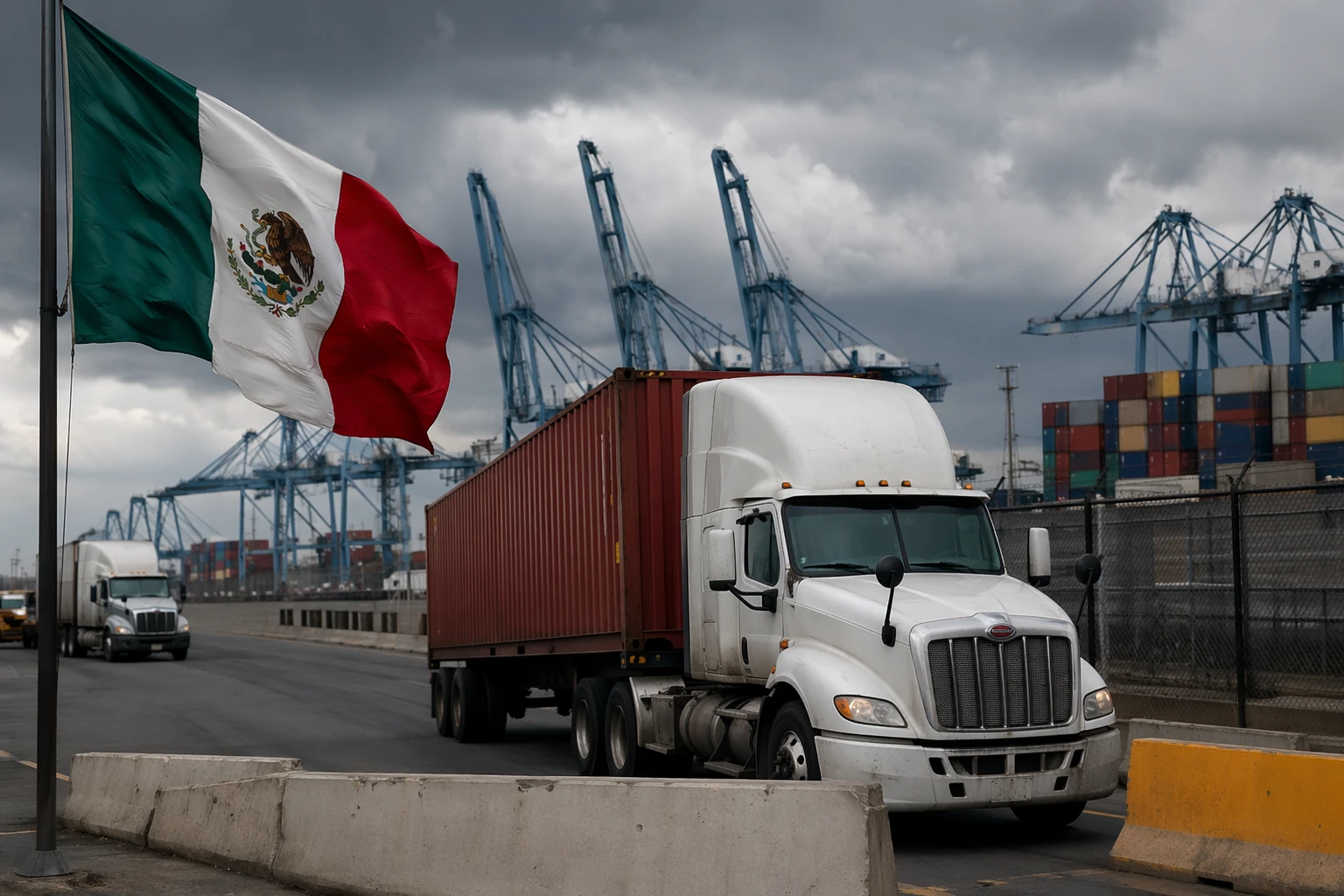
The first round focused on automotive rules of origin, steel and aluminum, and economic security. Washington is also pressing for tougher auto content rules, including a requirement that 50% of North American motor-vehicle content come specifically from the United States, while seeking to raise the overall regional value-content threshold from 75% to 82%. For automakers, that would change sourcing decisions across the continent and could affect everything from parts pricing to factory schedules.
Farm groups are watching just as closely. Nearly 160 agricultural organizations from Canada, the United States and Mexico signed a June 1 letter urging the three governments to renew and extend the deal before the July 1, 2026 review date. The coalition, which included the American Farm Bureau Federation, the National Corn Growers Association and the National Cattlemen’s Beef Association, said North American agri-food trade tripled from 2005 to 2023 to US$285 billion. That scale underscores how changes in corn, dairy, beef and ethanol access could ripple into grocery bills and rural incomes.

The political backdrop is making the talks harder. Trump said on June 10 that the United States might not renew the agreement, after previously saying he was “not looking to renew it.” That uncertainty matters because businesses plan investment, hiring and inventories around predictable tariff-free trade. The United States is Mexico’s largest source of foreign direct investment, accounting for 36% of the stock as of 2023, and any breakdown in confidence could slow manufacturing, energy and logistics investment on both sides of the border.

Canada is not formally part of the Washington session, though Ottawa remains engaged behind the scenes. If the parties do not agree to extend the pact for another 16 years at the joint review, the agreement shifts into annual reviews beginning in 2027, turning this round of talks into a test of whether North America remains a tightly linked economic bloc or starts to unravel at the seams.
Sources
- [1]msn.com
- [2]ustr.gov
- [3]realagriculture.com
- [4]usnews.com
- [5]state.gov