Health
U.S. military restores flu shots for recruits after Texas outbreak
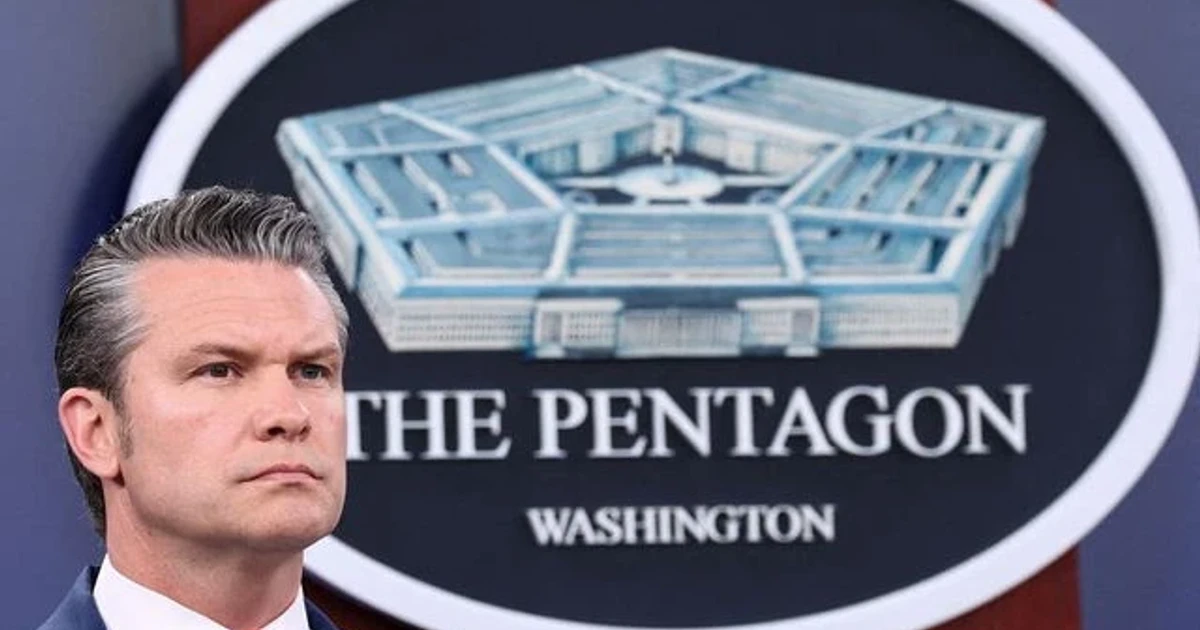
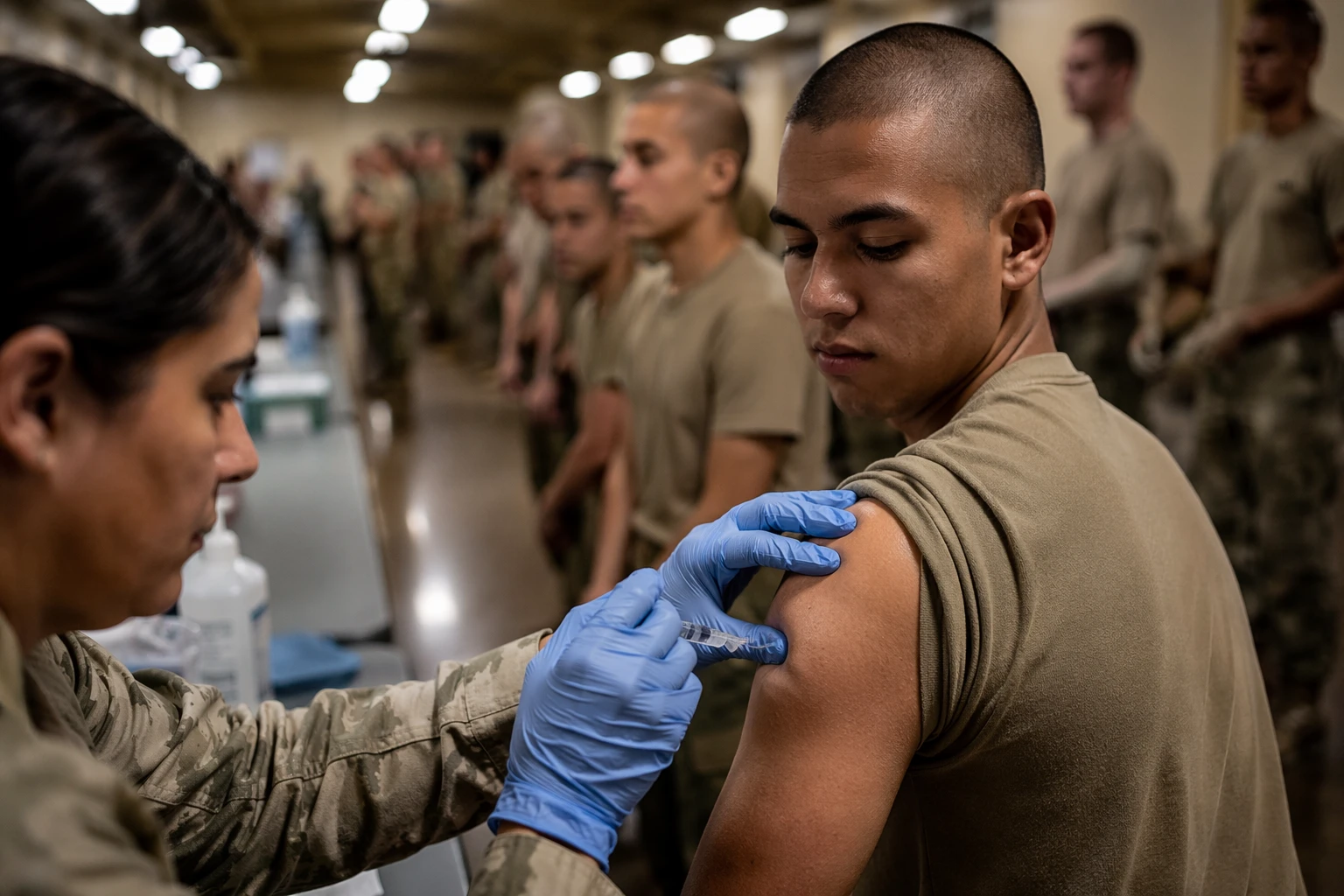
The Pentagon has restored flu shots for some recruits after an outbreak at Joint Base San Antonio-Lackland sickened at least 222 trainees and sent four to the hospital, forcing a sharp reversal in a policy that had made the vaccine optional only two months earlier. The move shows how quickly a respiratory illness can disrupt the military’s basic-training pipeline when thousands of young people live and train in close quarters.
The Air Force outbreak began in early June, when only about 40% of new trainees at Joint Base San Antonio had been vaccinated. By Tuesday, the count had climbed from 159 cases and two hospitalizations the week before to at least 222 cases and four hospitalizations. The 737th Training Group, which runs basic training at Lackland, says it trains more than 36,000 recruits a year, making even a localized outbreak an operational problem far beyond one Texas base.
Defense Secretary Pete Hegseth scrapped the long-standing annual flu-shot requirement in April, saying the vaccine was optional effective immediately. An updated Pentagon memo dated April 20 made the annual influenza vaccine voluntary for all active-duty personnel and Department of War civilian employees, while giving services 15 days to submit exception requests through the Under Secretary of War for Personnel and Readiness. Now the Army, Navy and Air Force are again requiring flu shots for basic trainees, and the Army is preparing to extend the requirement to troops deploying overseas, first responders, child care workers, health care personnel, prison staff and some large-scale training exercises.
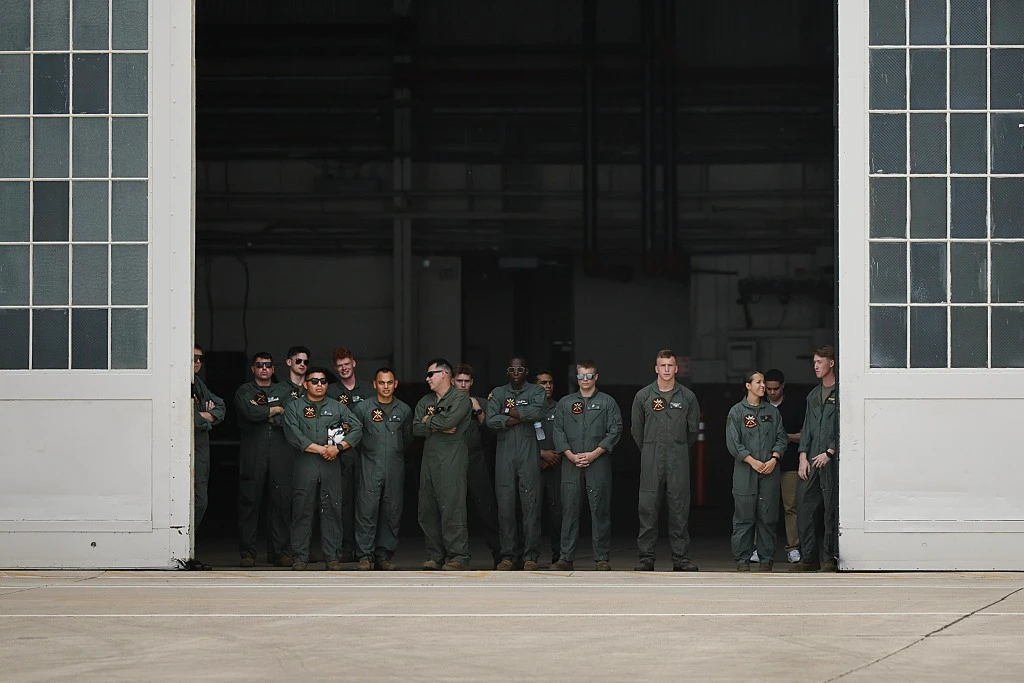
The policy reversal lands against a hard medical backdrop. Military Times reported that flu shots had been required annually for U.S. military personnel since the 1950s, and an October 2025 Armed Forces Health Surveillance Division report said recruit flu hospitalization rates from 2010 to 2014 were 70 per 100,000, compared with 7.4 per 100,000 across the overall military. That gap explains why recruiters and medical officers view basic training as a high-risk setting, not just for illness but for lost time in the production line that feeds the force.
Texas officials have already turned the outbreak into a readiness and accountability fight. San Antonio Mayor Gina Ortiz Jones called it preventable, and U.S. Rep. Joaquin Castro demanded a full accounting and an investigation into the death of trainee Keon McDaniel, whose cause of death remains under investigation. The World Health Organization says influenza keeps changing and recommends seasonal vaccination programs as a best tool for reducing hospitalizations and deaths, a reminder that the military’s latest carve-out is less about medical convenience than about protecting deployment pipelines when crowded training centers become flashpoints.
Sources
- [1]usnews.com
- [2]abcnews.com
- [3]militarytimes.com
- [4]media.defense.gov
- [5]who.int
- [6]tpr.org
- [7]37trw.af.mil