World
U.S. military weighs air assault options for Cuba, officials say
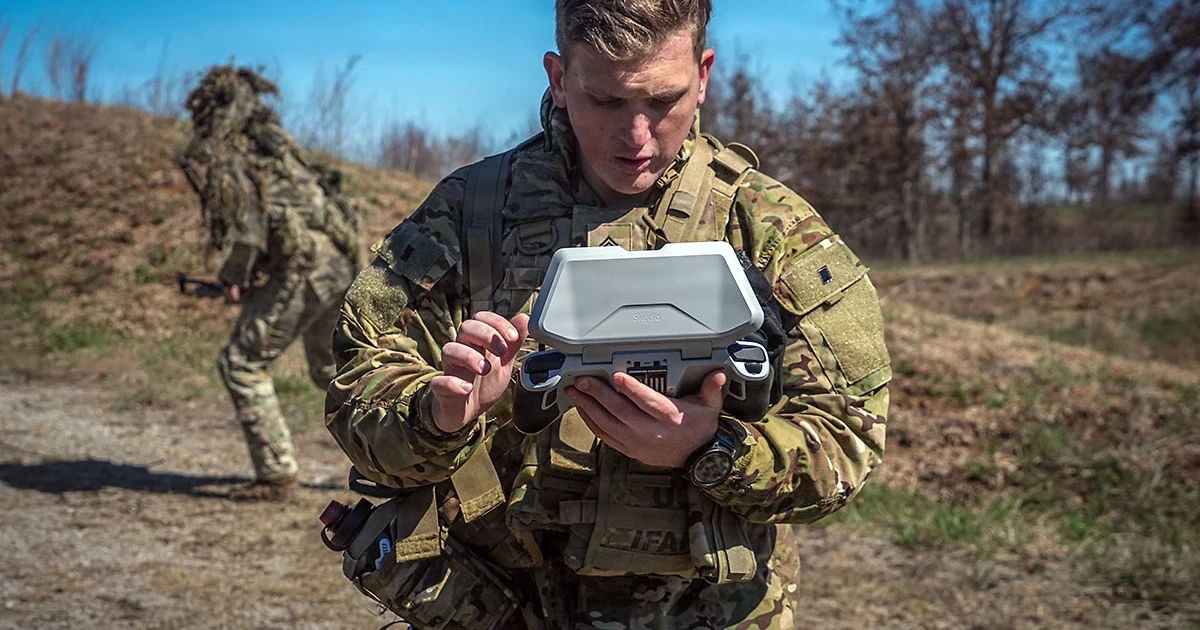
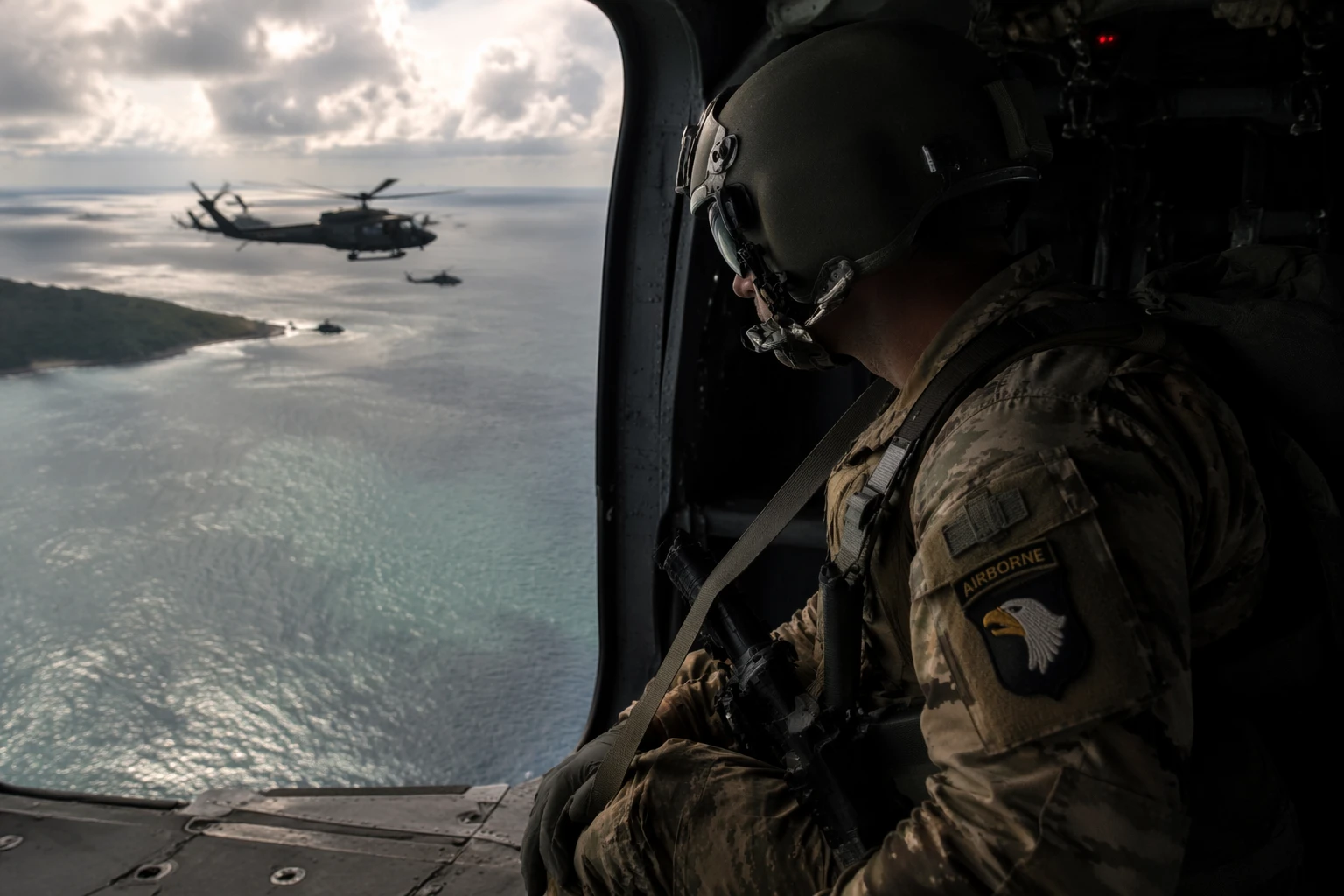
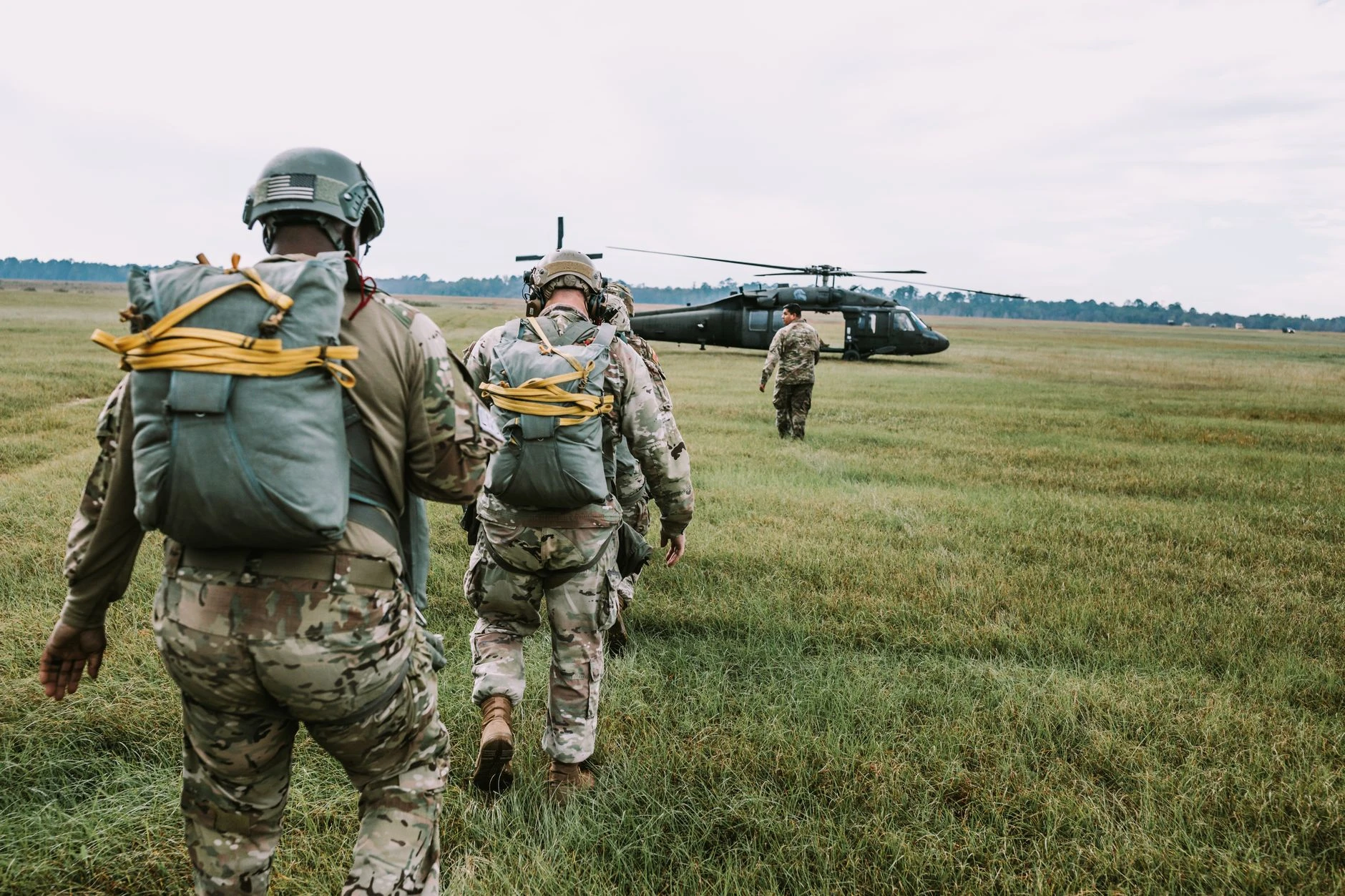
Military planners have examined an Army-led air assault option for Cuba that could involve thousands of U.S. soldiers and the 101st Airborne Division, the Army’s only air assault division, even as officials said the work was preliminary and did not mean President Donald Trump or the Pentagon had decided to act.
The 101st Airborne, based at Fort Campbell, Kentucky, is trained to plan, coordinate and execute brigade-sized air assault operations, making it the obvious unit for a scenario that would have to move fast and hit multiple targets. The fact that planners looked at that force underscores how seriously the military has treated contingency modeling for the island, even when the options never leave the planning phase.
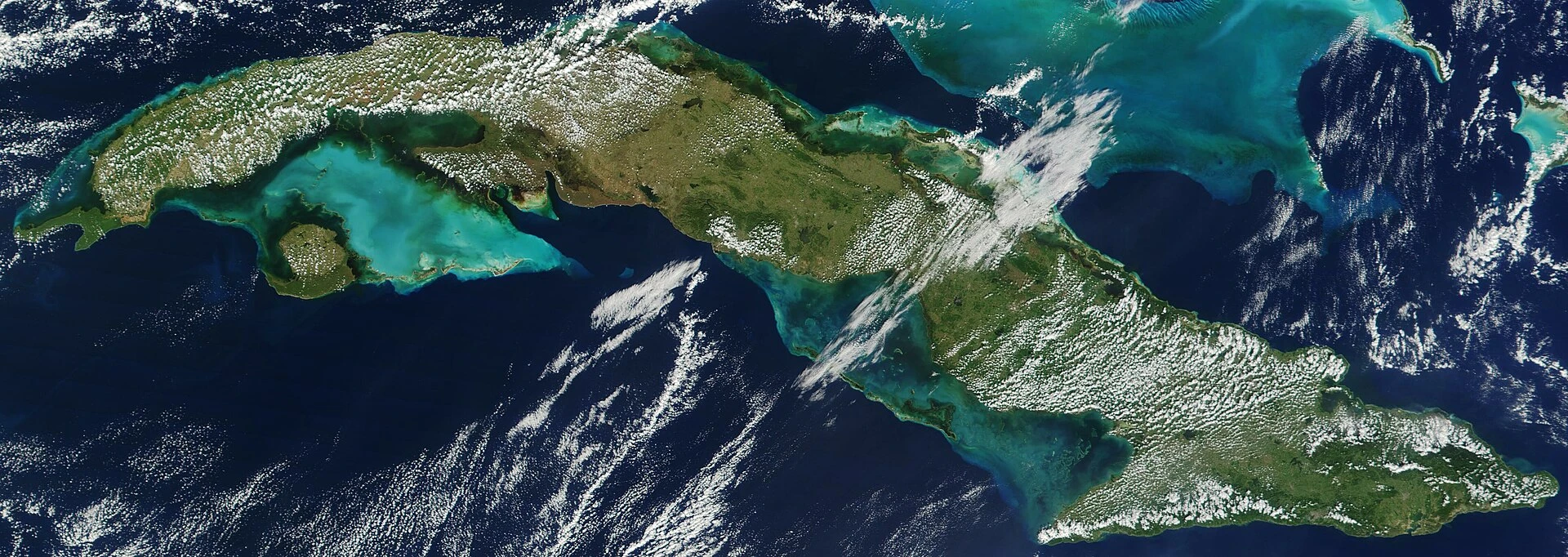
The new planning comes amid a wider campaign of pressure on Havana. Defense Secretary Pete Hegseth warned Cuba during a June 10 visit to Guantanamo Bay against seeking weapons that could threaten the U.S. homeland or the naval base there. A White House action in January accused the Cuban government of aligning with hostile actors including Russia, China, Iran, Hamas and Hezbollah, language that sharpened the administration’s case for hard line measures.
Intelligence assessments have also focused on how Cuba might respond if conflict broke out. One report cited by CBS News said Cuba had acquired more than 300 military drones and discussed using them against Guantanamo Bay in the event of war. Cuban President Miguel Díaz-Canel denied that Cuba posed a military threat to the United States and warned that any American attack would mark a serious escalation.
The current thinking echoes the Cuban Missile Crisis in 1962, when the United States weighed invasion options, including Operation Ortsac and Operations Plan 314, before President John F. Kennedy chose a blockade, or quarantine, instead. A Defense Technical Information Center paper on that crisis said Operations Plan 314 called for Marines landing near Guantanamo and the XVIII Airborne Corps seizing four airfields around Havana.
Analysts at CSIS said in June that the United States had stepped up economic, political and military pressure on Cuba and was examining possible use-of-force scenarios. That broader backdrop makes the present planning more than a technical exercise: it shows the Pentagon mapping out a Caribbean option set while the White House continues to tighten pressure on Havana, and while history shows that contingency plans can stop short of becoming policy.
Sources
- [1]cbsnews.com
- [2]home.army.mil
- [3]reuters.com
- [4]apps.dtic.mil
- [5]csis.org
- [6]whitehouse.gov