US News
US moves to ban synthetic kratom ingredient, boosting rival supplement makers
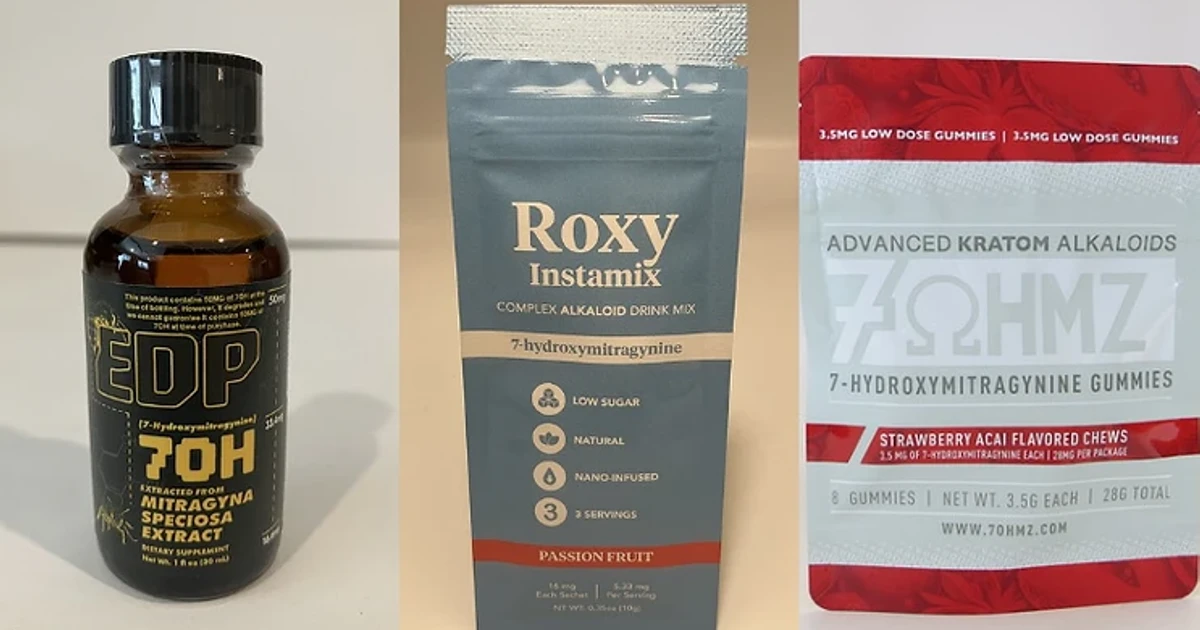
The Food and Drug Administration on July 29, 2025 recommended scheduling certain 7-hydroxymitragynine products under the Controlled Substances Act, drawing a bright line between a synthetic kratom ingredient and the plant itself. The move came after rival botanical supplement makers pressed for that distinction, giving them a clearer commercial path as federal regulators moved against a fast-growing category of kratom-adjacent products.
The agency had already sent warning letters on July 15, 2025 to firms marketing 7-OH products, then described the products as dangerous and said it had seized 7-OH opioids. The items were sold as tablets, gummies, drink mixes, liquid shots and other forms online and in convenience stores, gas stations and vape shops. The U.S. Department of Health and Human Services said the action targeted enhanced or synthetic 7-OH products, not natural kratom leaf products, and stressed that 7-OH binds to opioid receptors and is not a safe or approved treatment for opioid withdrawal, pain, depression or anxiety.
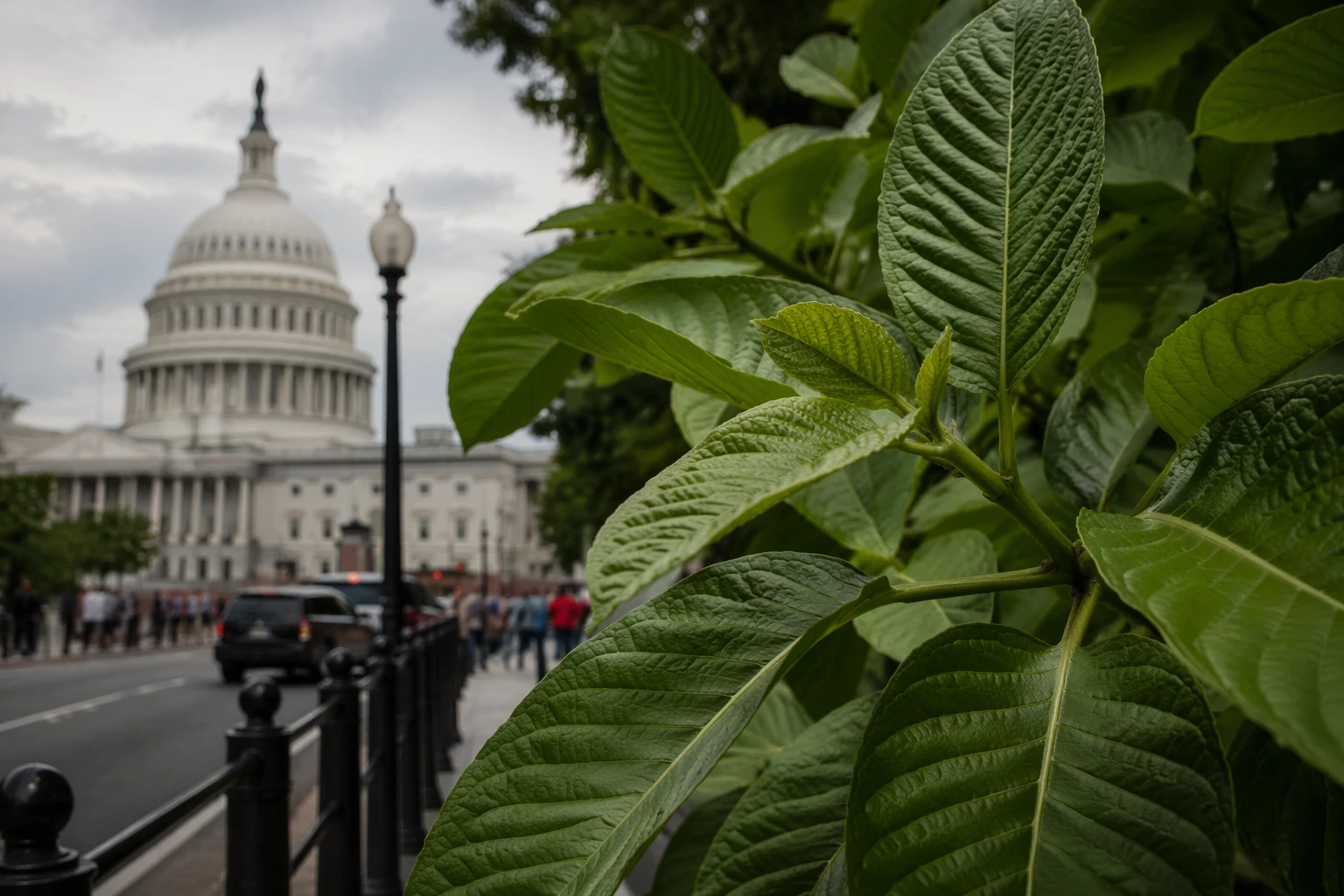
Kratom has been under federal scrutiny for years. The Drug Enforcement Administration says the plant is native to Southeast Asia and that its leaves contain mitragynine and 7-hydroxymitragynine. In 2016, the DEA announced its intent to place both compounds in Schedule I, then withdrew that notice after public comments and pushback from Congress and advocacy groups.
The crackdown also landed in the middle of a fractured state-federal landscape. At least half of the states and the District of Columbia have enacted some form of kratom regulation, leaving manufacturers, retailers and consumers to navigate a patchwork of rules that varies sharply from one jurisdiction to another. The American Kratom Association praised the 7-OH action as a consumer-safety measure, while rival industry voices and some botanical supplement makers argued that regulators were separating natural kratom leaf from concentrated or synthetic competitors.
The political weight of the issue was on display in Washington, where HHS Secretary Robert F. Kennedy Jr., FDA Commissioner Dr. Marty Makary, Deputy Secretary Jim O’Neill and then-Sen. Markwayne Mullin appeared together at a news conference announcing the 7-OH action. Their joint appearance underscored how quickly a public-health campaign against one product category became a market-shaping moment for another.
Sources
- [1]nytimes.com
- [2]fda.gov
- [3]hhs.gov
- [4]dea.gov
- [5]thehill.com