US News
U.S. Naval Blockade Targets Iranian Ports Amid Nuclear Tensions
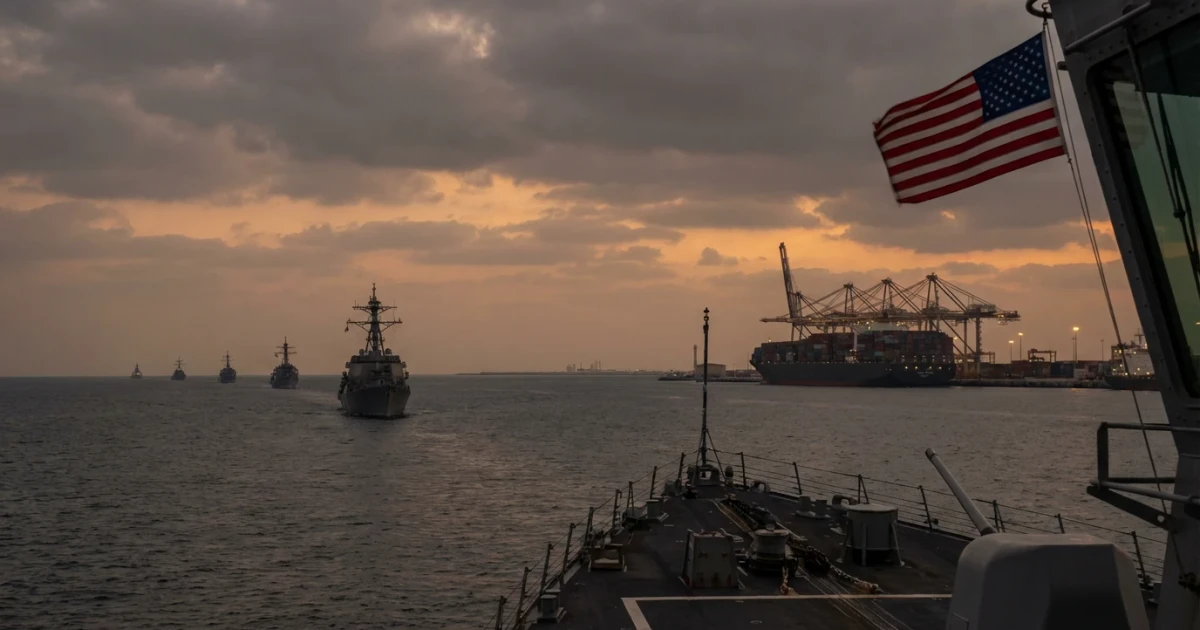
The United States has initiated a naval blockade of Iranian ports, a move President Trump says is aimed at forcing Iran to end its nuclear program. The action marks a significant escalation in the long-running dispute over Iran’s nuclear ambitions and comes as regional tensions continue to rise.
Blockade Announced as Nuclear Standoff Deepens
According to The Washington Post, the blockade took effect as U.S. warships began enforcing restrictions on maritime traffic to and from Iran’s major ports. The announcement follows President Trump’s public demand that Iran cease all nuclear activities, with administration officials stating that the blockade is intended to increase pressure on Tehran to comply with international nonproliferation norms.
The U.S. Navy, one of the world’s largest maritime forces, has historically played a critical role in enforcing international sanctions and blockades. For readers seeking detailed breakdowns, comprehensive U.S. Navy statistics reveal the scale and deployment capabilities of the fleet now patrolling critical sea lanes near Iran.
Demands for Nuclear Program Rollback
President Trump’s ultimatum centers on Iran’s controversial nuclear activities, which have been the subject of scrutiny for decades. The U.S. and its allies allege that Iran’s uranium enrichment efforts could be part of a broader ambition to build nuclear weapons—a claim Tehran has consistently denied. For a detailed chronology of Iran’s nuclear program, including enrichment milestones and international inspection data, readers can consult the Council on Foreign Relations’ timeline and data.
International agencies such as the International Atomic Energy Agency (IAEA) have monitored Iran’s nuclear facilities and reported on enrichment levels and compliance. The current U.S. action seeks to leverage economic and logistical pressure to bring Iran back to the negotiating table and halt sensitive nuclear activities.
Legal and Operational Dimensions
The legality and effectiveness of naval blockades are frequently debated in international law circles. Under the rules outlined by the United Nations, blockades are considered acts of war unless sanctioned by the Security Council or justified by self-defense. The UN Security Council has previously imposed sanctions on Iran, but a unilateral blockade by the U.S. could raise questions of legitimacy among global observers.
The operational aspects of a naval blockade are complex, often involving interdiction of commercial shipping and strict monitoring of maritime traffic. For an overview of the military doctrine and history behind such operations, readers may explore explainer resources on naval blockades.
Regional and Global Implications
- Energy markets: Iran is a major exporter of oil and gas, and disruptions to shipping could impact global energy prices.
- Humanitarian concerns: Blockades can restrict access to essential goods, raising the risk of shortages inside Iran.
- Diplomatic fallout: The move could complicate U.S. relations with European allies and other trading partners who continue to support the Iran nuclear deal framework.
Outlook and Next Steps
As the blockade takes effect, all eyes are on the reaction from Tehran and the international community. The U.S. administration has signaled a willingness to negotiate, but insists that pressure will continue until Iran ends its nuclear program. The situation remains fluid, with the potential for further escalation or diplomatic engagement in the weeks ahead.
For ongoing updates and expert analysis on the standoff, readers can follow real-time coverage from major outlets and review official records from agencies such as the IAEA and the UN Security Council.