World
U.S. Navy deploys drones to hunt Iranian mines in Hormuz
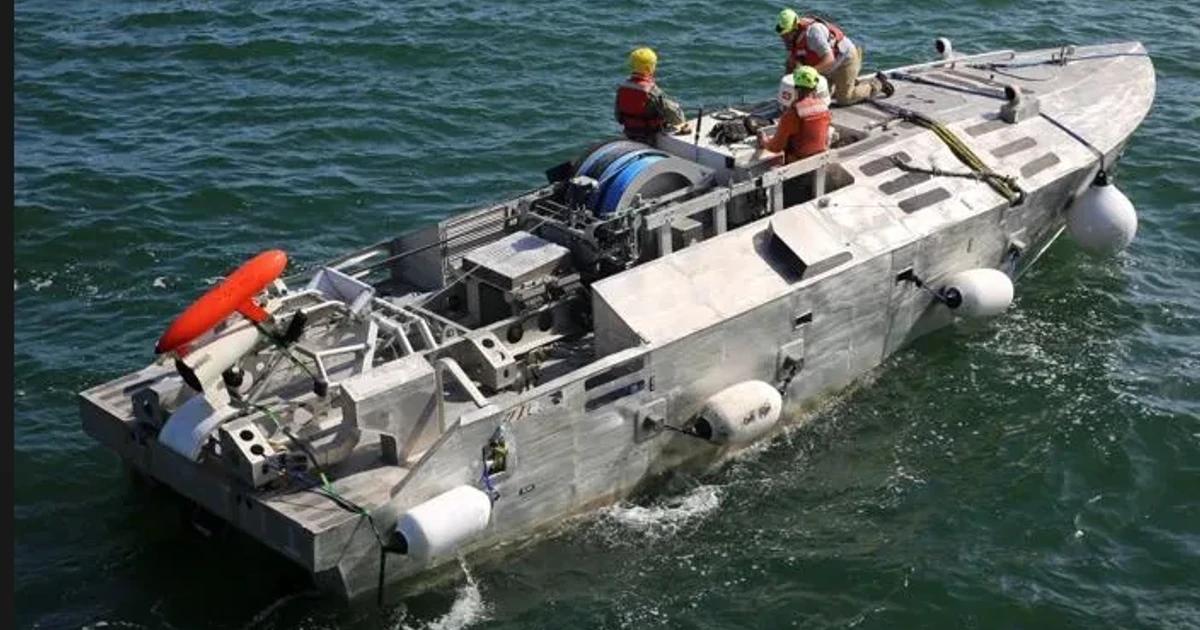
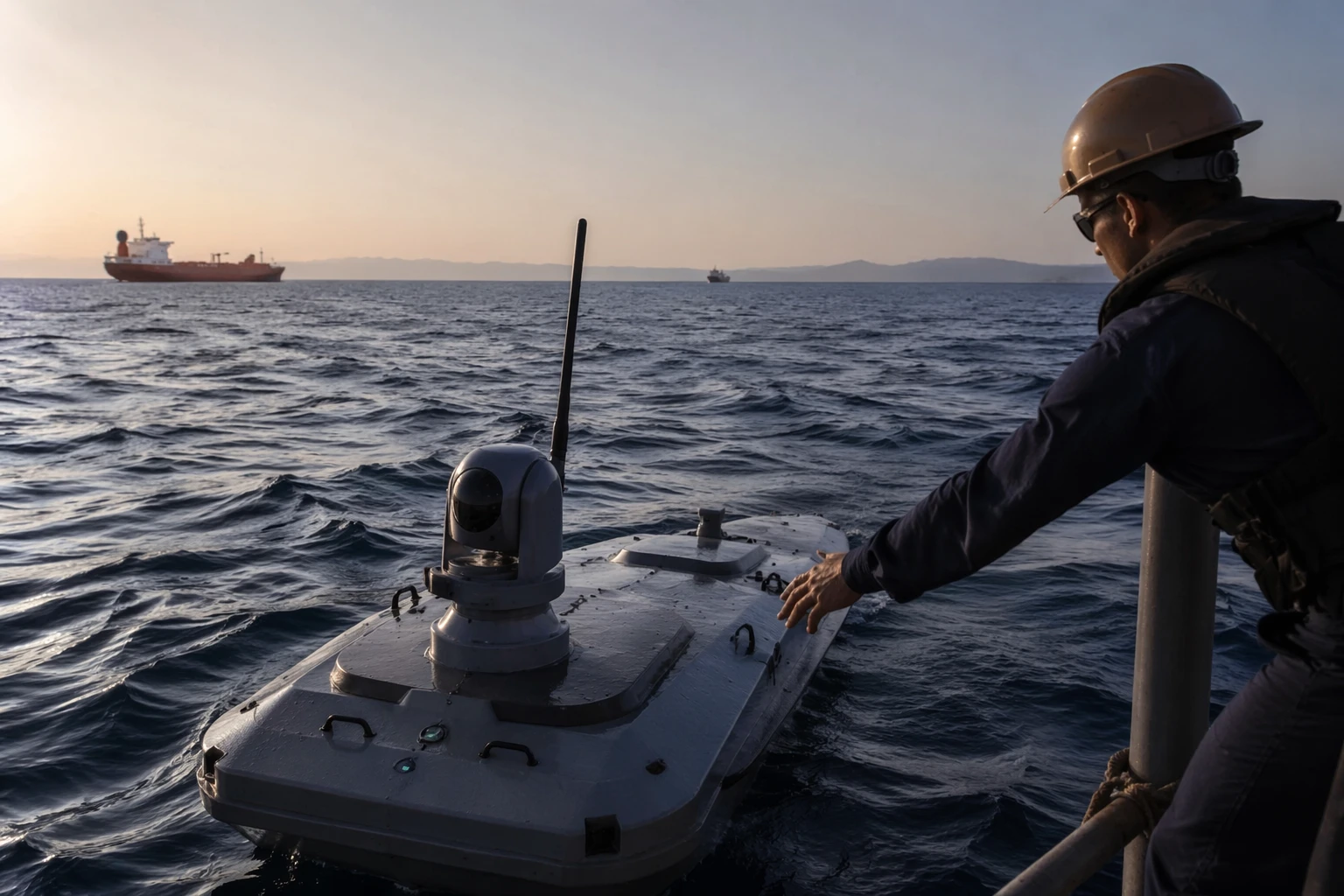
A few naval mines in the Strait of Hormuz can keep tankers idle long after the shooting stops, which is why the U.S. Navy was deploying drone-based countermeasures to sweep the sea floor and surface. Clearing the channel could take 40 to 50 days, long enough to delay normal sailings, strand tens of millions of barrels of oil and leave insurers, shippers and energy companies waiting for a mine-free route.
The stakes are enormous because the strait has long been one of the world’s most important energy chokepoints. Before the war, it handled about 20% of the world’s daily supply of oil and liquefied natural gas. The U.S. Energy Information Administration said oil flow through the waterway averaged about 20 million barrels per day in 2024, roughly 20% of global petroleum liquids consumption. It also said that very limited shipping traffic through Hormuz had already forced Middle East producers to cut crude output by more than 11 million barrels per day in May, compared with pre-conflict levels, while OECD liquid fuels inventories were projected to fall to just under 2.3 billion barrels by December 2026, the lowest since 2003.
Shipping executives said the danger extends well beyond the first blast. Jakob Larsen, of BIMCO, said the threat of mines remained a concern immediately and later, and that mine-free routes had to be established before traffic could normalize. Rene Kofod-Olsen, chief executive of V.Group, said one sea mine was enough to cause fatalities, a reminder that a blockade threat can become a crew safety crisis in seconds.
Officials in Europe and Washington have pointed to evidence that mines were already in the water. Marco Rubio told the Senate Foreign Relations Committee on June 2 that Iran had mined large segments of Hormuz in international waters. Germany’s navy said on June 11 that mines were located in four locations around the strait, based on U.S. and British information, though Germany said it could not verify those locations.
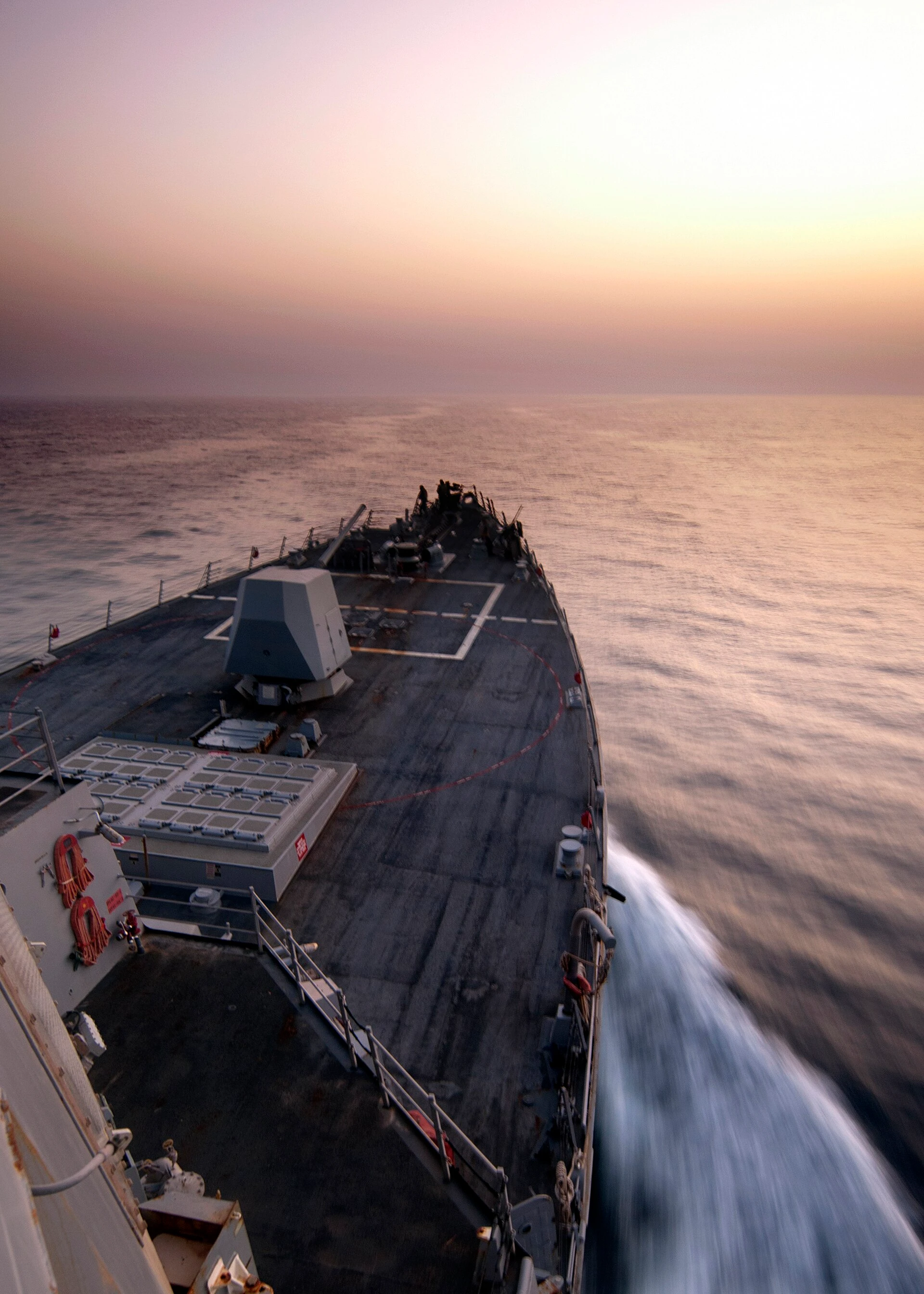
History explains why the threat is taken so seriously. During the Tanker War in the 1980s, the USS Samuel B. Roberts struck an Iranian mine on April 14, 1988, causing severe injuries to 10 sailors and nearly sinking the ship, according to the U.S. Naval History and Heritage Command. The U.S. response on April 18, 1988, Operation Praying Mantis, was the largest U.S. Navy surface action since World War II. The Strauss Center has noted that simple contact mines can cost as little as $1,500 and says naval mines have inflicted 77% of U.S. ship casualties since 1950, which is why the cleanup effort can be as economically decisive as the fighting itself.
Sources
- [1]nytimes.com
- [2]srnnews.com
- [3]claimsjournal.com
- [4]eia.gov
- [5]cnbc.com
- [6]history.navy.mil
- [7]strausscenter.org