World
U.S. Navy Seizes Iranian Ship Amid Strait of Hormuz Blockade
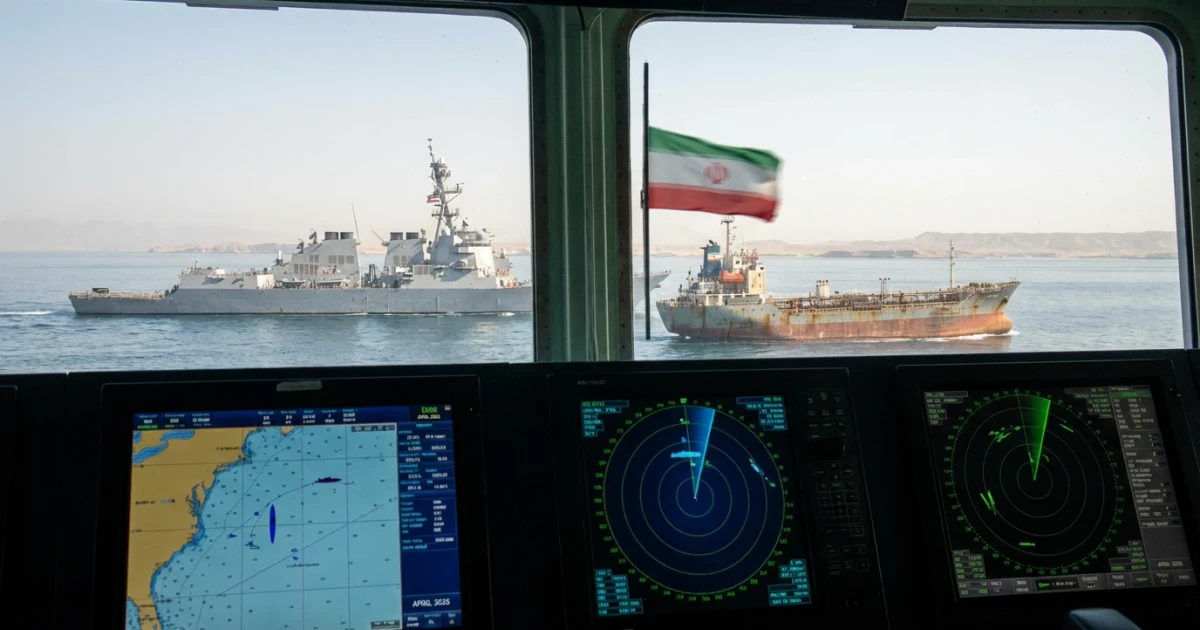
The U.S. Navy has seized an Iranian ship reportedly attempting to bypass a blockade in the Strait of Hormuz, according to statements by former President Trump. The incident comes as the United States ramps up military presence and prepares for potential diplomatic negotiations in the region, underscoring the strategic importance of this narrow maritime corridor for global energy supplies.
Incident Details and Immediate Response
The announcement, reported by The Washington Post, stated that the U.S. Navy struck and subsequently seized an Iranian vessel allegedly trying to evade the American-imposed blockade. While full details of the operation have not yet been released, the event marks a notable escalation in the ongoing friction between the U.S. and Iran over maritime security and sanctions enforcement.
- The Strait of Hormuz handles nearly one fifth of the world’s oil shipments, making it one of the most strategically sensitive maritime chokepoints globally. Disruptions here can ripple throughout energy markets.
- Recent data from the U.S. Energy Information Administration indicates that Iran exports millions of barrels of crude oil daily, much of it passing through the strait.
- The U.S. has periodically increased naval patrols in the area to deter what it describes as illicit shipments and to enforce international sanctions on Iranian oil and shipping.
Strategic Importance of the Strait of Hormuz
The Strait of Hormuz serves as the primary maritime passage for Persian Gulf oil, with an average of 21 million barrels per day flowing through its waters in recent years. Any disruption, such as a blockade or armed confrontation, draws immediate global attention due to the potential impact on energy prices and shipping security.
The U.S. and its allies have emphasized the necessity of keeping the strait open for international navigation, while Iran has repeatedly threatened to close or disrupt passage as a response to sanctions and diplomatic pressures. The latest seizure by the U.S. Navy is likely to intensify military and diplomatic maneuvers in the area.
Sanctions and Maritime Enforcement Actions
The blockade and subsequent seizure of the Iranian vessel align with broader U.S. efforts to enforce extensive sanctions on Iranian shipping and oil exports. These measures, supported by United Nations resolutions, target Iranian-flagged vessels and shipping companies suspected of circumventing bans on oil sales and military transfers.
According to live tracking data from MarineTraffic, Iranian-flagged ships have adjusted routes and altered ship registries in attempts to maintain export flows despite international monitoring. The U.S. Navy’s interception highlights ongoing efforts to close these loopholes and disrupt unauthorized shipments.
Recent Trends and Regional Security Concerns
- Reports from international agencies confirm that incidents of piracy and armed robbery near the Strait of Hormuz remain a persistent risk, complicating both commercial and military navigation.
- Regional powers, including Saudi Arabia and the United Arab Emirates, have increased security coordination with the U.S. to safeguard oil tankers and commercial vessels.
Diplomatic Implications and Next Steps
The seizure comes as the U.S. signals readiness for eventual peace talks, but also demonstrates a willingness to act militarily to enforce sanctions and maintain control over vital trade routes. The incident is expected to draw strong reactions from Iran, which has historically viewed such actions as violations of its sovereignty and economic interests.
With tensions running high and global energy markets sensitive to any signs of disruption, analysts suggest that further confrontations or retaliatory measures are possible in the short term. The situation in the Strait of Hormuz will remain a focal point for international diplomacy, energy markets, and maritime security operations in the weeks to come.