Science
U.S. ocean monitoring projects face risk as funding uncertainty deepens
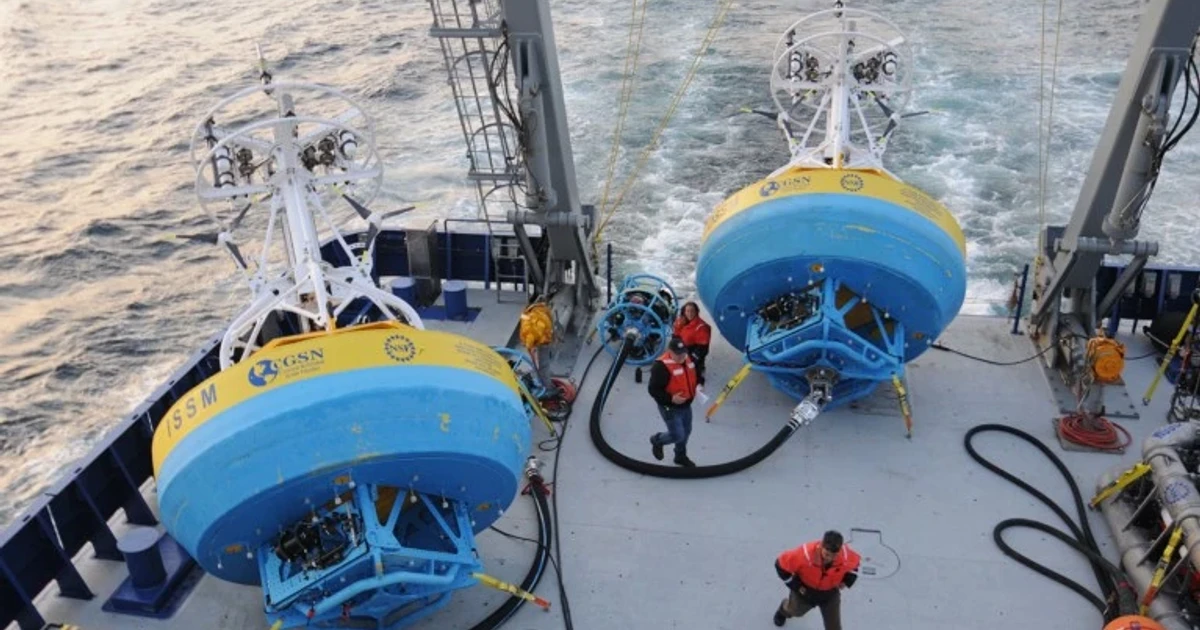
The National Science Foundation said it would not proceed with further removal or descoping of equipment from the remaining Ocean Observatories Initiative arrays and would continue operations, including planned maintenance, even as the Endurance Array was already being recovered. The decision leaves a national observing system in a split state: part of the network stays on line for now, while other pieces are being pulled from the water on a timetable that stretches into 2027.
The Ocean Observatories Initiative said the phased recovery and removal of in-water infrastructure covers the Endurance, Pioneer, Irminger Sea and Station Papa arrays over roughly 15 months. Final recovery work for Endurance was scheduled for June 2026, Pioneer recovery for June 2027, and the Irminger Sea and Station Papa arrays for the summer of 2027. NSF said the Regional Cabled Array, the OOI Data Center, the Program Management Office and community engagement activities would continue through September 30, 2028.
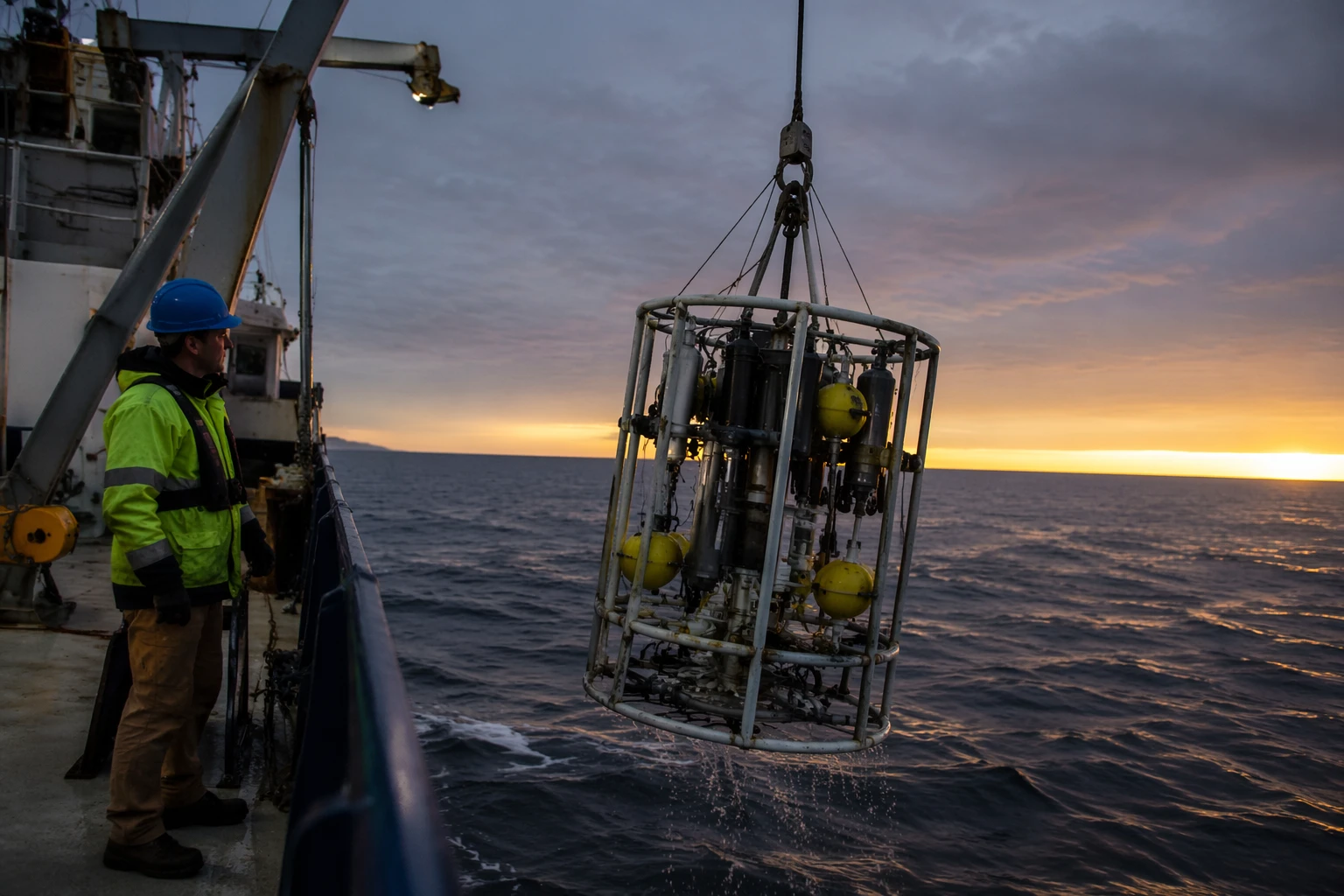
The scale of what is at risk is larger than a single set of buoys and cables. NSF’s archived funding notice said OOI had been operating at about $55 million a year since construction was completed in 2016. The project’s Ocean Decade entry says it was commissioned in 2016 and is designed to collect ocean data for 25 years or more. OOI now consists of five instrumented arrays that continuously measure more than 200 parameters, making it one of the most sustained observing systems in the world.
Scientists use that data to track ocean climate variability, biogeochemical cycles, marine food webs and coastal dynamics and ecosystems, including fisheries. The network reaches from the Oregon coast to the Pacific Northwest, the Gulf of Alaska, the Atlantic Ocean off Greenland and the Pacific Ocean, and its measurements feed climate analysis, marine ecosystem monitoring and hazard assessment. OOI said previously collected data will remain available through the OOI Data Center, but once instruments are recovered, the real-time streams from those sites end and long-term records are broken.
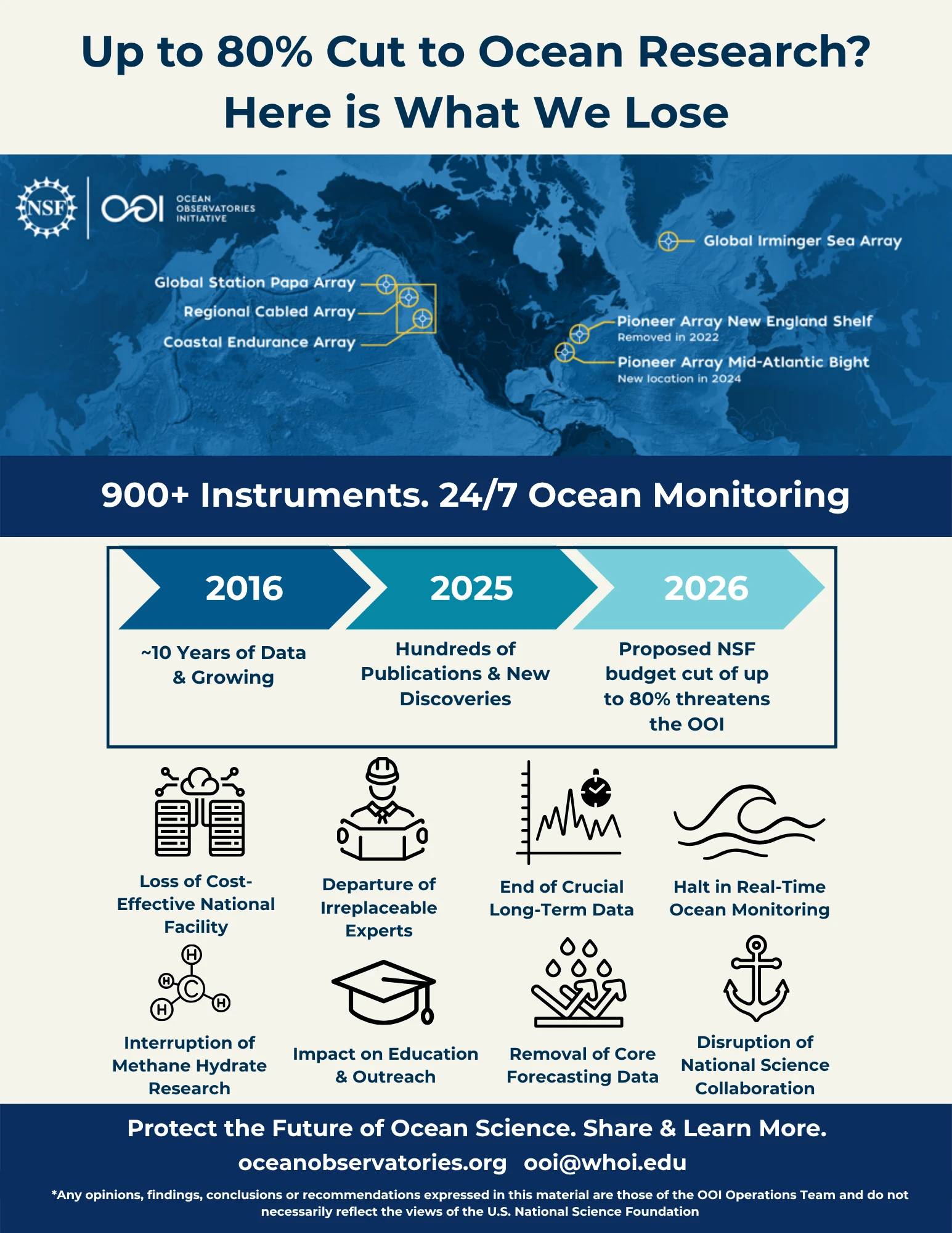
That break has already happened elsewhere in the network. The Global Argentine Basin Array and the Global Southern Ocean Array were discontinued in 2018 and 2020, respectively, showing that U.S. retrenchment has precedent. For researchers who depend on uninterrupted measurements of the deep ocean, the central question now is whether the United States can still be counted on to anchor global ocean observation when the next round of budget pressure arrives.
Sources
- [1]nature.com
- [2]nsf.gov
- [3]oceanobservatories.org
- [4]oceandecade.org
- [5]thebulletin.org