World
U.S. officials outline Iran deal with oil, sanctions and nuclear terms
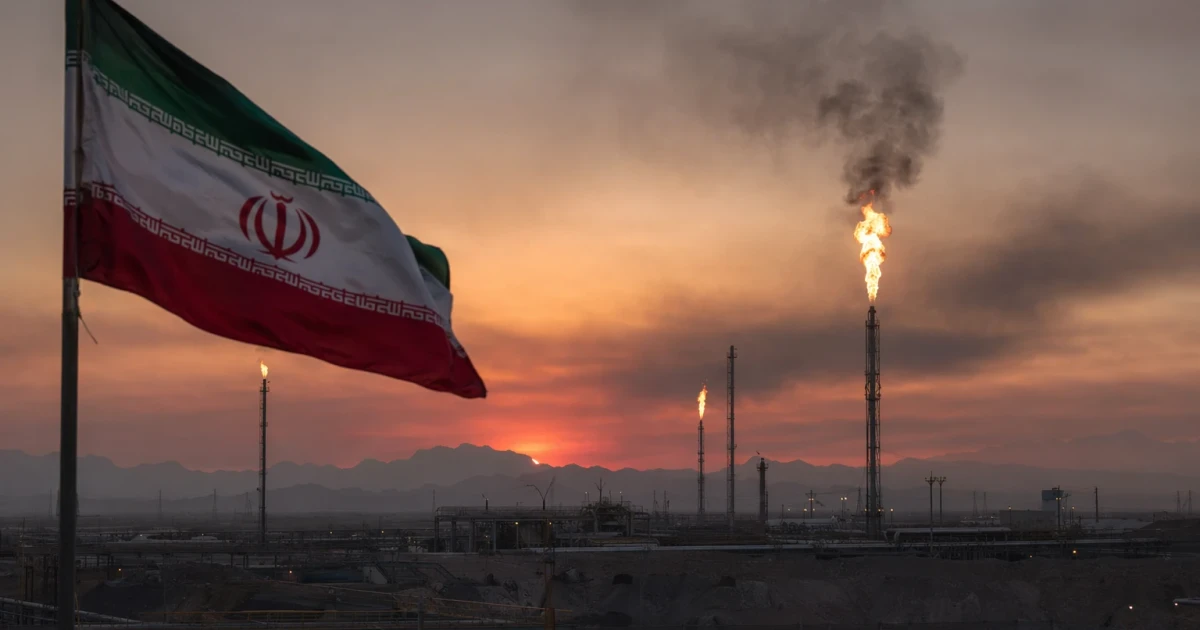
Iran appears to have secured the first and most tangible gains in the preliminary U.S.-Iran understanding: oil exports, a pathway to sanctions relief and a reconstruction promise valued at at least $300 billion, all before the hardest nuclear questions are settled. The deal, as read to reporters by senior U.S. officials, would also halt military operations on all fronts, including in Lebanon, giving Tehran immediate diplomatic and economic upside while final terms are still being negotiated.
Officials said the memorandum of understanding was outlined in 14 points and that Iran had not officially released it. Under the terms read out, the two sides would have 60 days to negotiate a final agreement, with an extension possible by mutual consent. The sequence matters. Iran would be allowed to begin exporting oil once the memorandum is signed, while the most consequential nuclear commitments are still framed as future negotiations over enriched material and compliance.

A separate draft described by Iranian and U.S. officials went even further in spelling out what Tehran could gain up front. It included reopening the Strait of Hormuz to commercial vessels, ending a U.S. naval blockade of Iranian ports within 30 days, a pledge not to impose new sanctions until a final deal, and the release of $25 billion in frozen Iranian assets. In a region where the Strait of Hormuz is a critical oil chokepoint, those steps would hand Iran immediate leverage over energy flows and relief from long-running financial pressure.
By contrast, the nuclear concessions still look conditional. The text says Iran affirms it will not procure or develop nuclear weapons, and the two sides will negotiate what happens to stockpiled enriched material. Earlier versions of the framework had also discussed a 15- to 20-year lockout from uranium enrichment and dismantling nuclear sites, but those terms were still described as being in principle or under negotiation. That leaves Tehran with a clearer list of benefits today than obligations tomorrow.
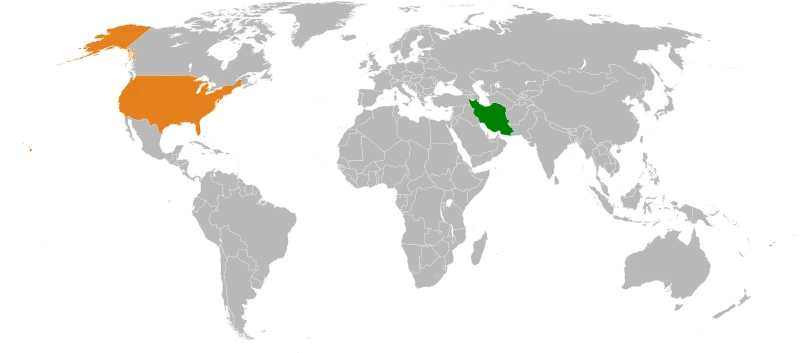
The political and market reaction reflected that asymmetry. Stocks rose while oil prices and bond yields fell after the preliminary agreement was announced, even as the text remained unreleased and Israel was not party to the deal. Iranian Deputy Foreign Minister Kazem Gharibabadi said the text had been finalized and would be signed in Geneva on Friday, describing a “permanent and immediate end to the war” on all fronts. President Donald Trump framed the arrangement as a hard deadline, saying, “If it doesn't get done in 60 days, that's all right. We go back to bombing.” For now, Iran seems to be extracting the better bargain: economic relief and strategic breathing room first, nuclear concessions later.
Sources
- [1]cbsnews.com
- [2]usnews.com
- [3]cnbc.com