Politics
U.S. orders Anthropic to block foreign access to new AI models

The Trump administration ordered Anthropic to suspend foreign access to Fable 5 and Mythos 5, and the company said it had no practical way to comply without cutting off everyone. Anthropic said it received the directive at 5:21 p.m. ET Friday from Commerce Secretary Howard Lutnick and was told only that the models might contain a narrow, non-universal jailbreak, not the specific security detail behind the order.
That left Anthropic with a blunt choice: disable the models for foreign nationals, including some of its own employees, or disable them for all users. The company said it “abruptly disable[d]” access because the directive applied beyond people outside the United States and could not be enforced selectively. The government’s concern, as described in the notes, is that a bypass could let users sidestep safeguards and use Fable 5 to identify software vulnerabilities. Anthropic pushed back, arguing that a possible limited jailbreak should not force a commercial recall of models already deployed to hundreds of millions of people.
The episode marks a sharp turn in Washington’s approach to artificial intelligence. For years, U.S. export controls centered on the chips and technical tools that power AI, not on the models themselves. Now the administration is treating frontier AI as a national-security asset, a shift that could affect not only Anthropic but the broader market for advanced U.S.-made systems and the way foreign customers are served.
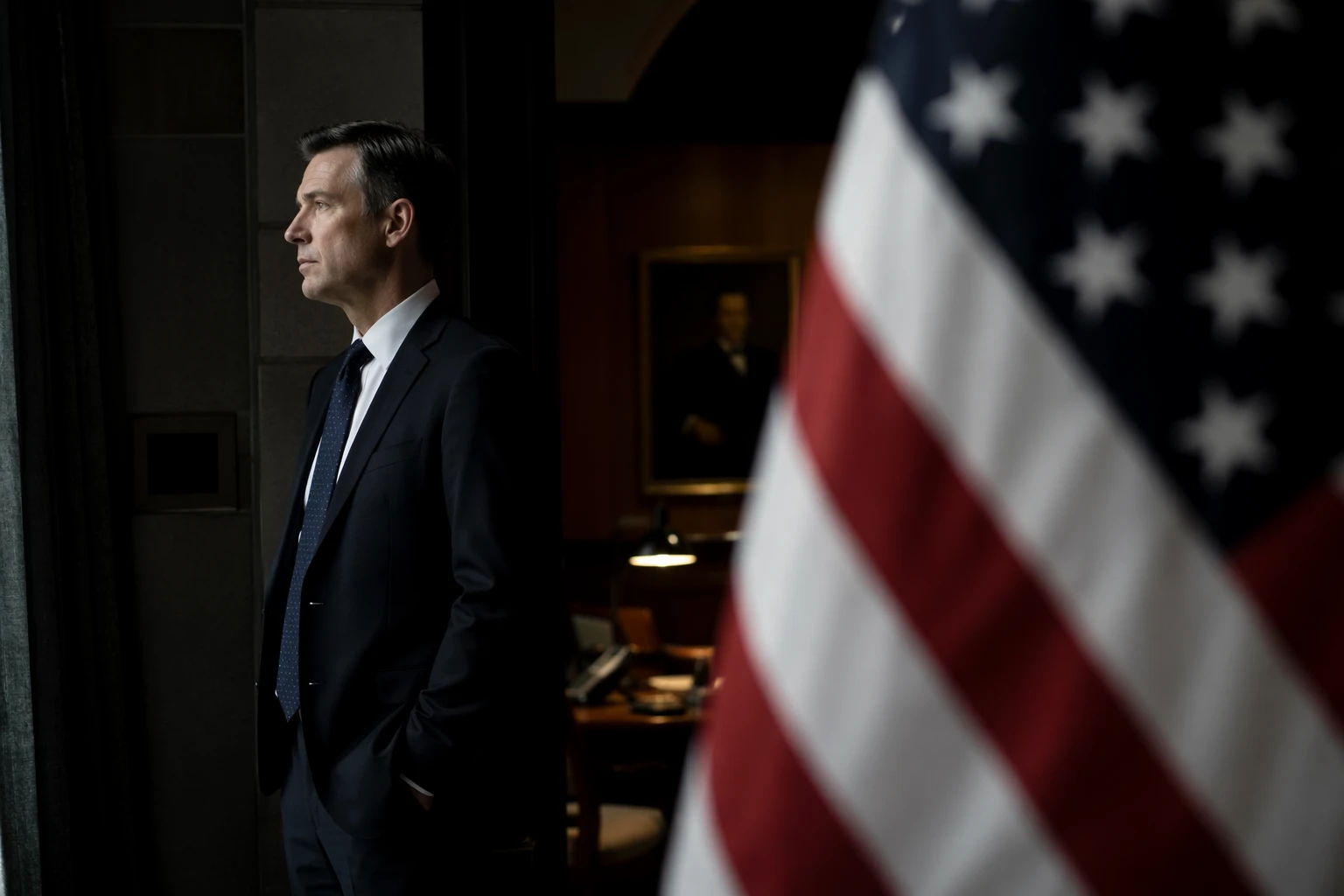
The fight also sits inside an existing rupture between Anthropic and the Trump administration. Earlier in 2026, the company refused to let the U.S. military use its AI models for domestic surveillance and fully autonomous weapons systems. The government responded by placing Anthropic on a supply-chain blacklist scheduled to take effect later in the year, deepening the political conflict around how far Washington can push private AI developers into national-security service.
The fallout extends beyond corporate strategy. Pentagon chief information officer Kirsten Davies backed prioritizing national security over revenue and pre-IPO valuation, while Anthropic said the order left many non-U.S. governments and European Union institutions scrambling for access. U.K. AI minister Kanishka Narayan said, “As we debate the future of national security and technological sovereignty, access to AI capabilities is crucial.” The company had already given limited access to Mythos Preview through its Glasswing project in April to help trusted cyber firms strengthen defenses, and Fable 5 launched only this week as a Mythos-class model with safeguards intended for general use. The dispute now reaches well beyond one company, testing how far Washington will go to control the global flow of frontier AI.
Sources
- [1]nytimes.com
- [2]reuters.com
- [3]politico.com
- [4]axios.com