US News
U.S. orders backup power at data centers to avert blackout risk
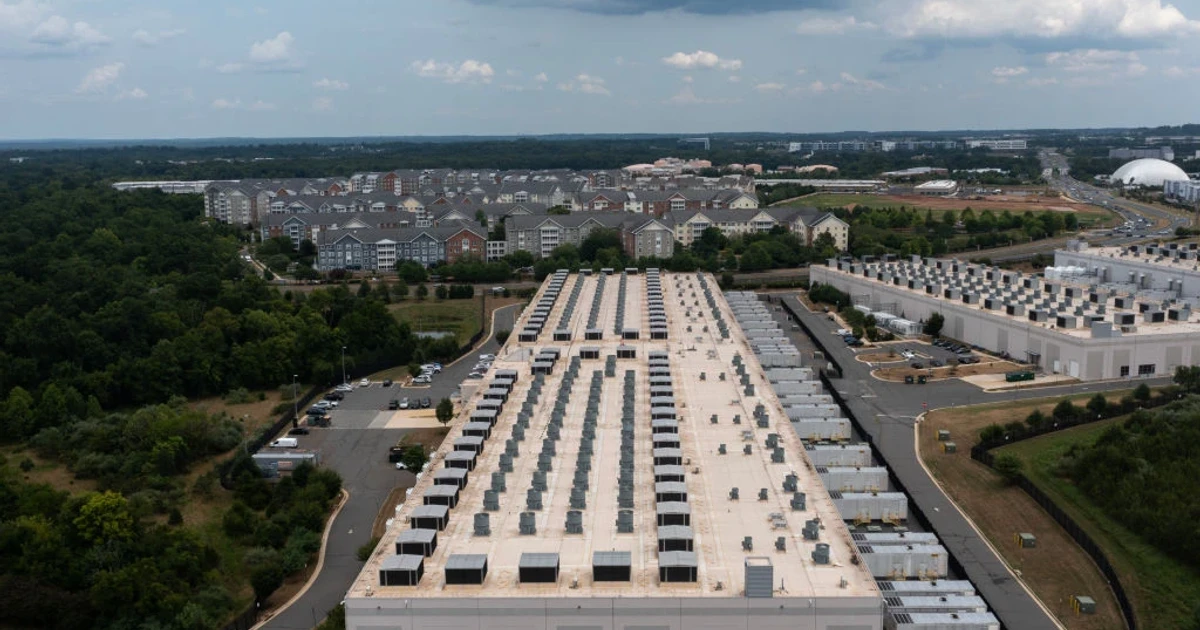
The Energy Department on June 30 issued two emergency orders to blunt blackout risk in the Mid-Atlantic. It authorized PJM Interconnection on May 18 to deploy backup generation at data centers and other major facilities. The orders came as triple-digit heat and seasonal maintenance tightened the margin for a grid that serves about 67 million people across 13 states and Washington, D.C.
Peak demand and several straight days of extreme heat, especially in Maryland and Virginia, were creating stress conditions, PJM told the Federal Energy Regulatory Commission. Letting data centers with backup generation rely on that power would help it avoid rolling blackouts. The Energy Department estimated that more than 35 gigawatts of unused backup generation remains available nationwide.
In February, the Energy Department used backup generation in Florida under three emergency orders to prevent blackouts during exceptionally low temperatures.

On March 4, the White House’s Ratepayer Protection Pledge said Amazon, Google, Meta, Microsoft, OpenAI, Oracle and xAI would build, bring or buy new generation resources for their data centers and cover the related power-delivery infrastructure costs. The pledge called on the companies to coordinate with grid operators to make backup generation available during emergencies. A separate White House draft compact in February aimed to keep AI data centers from pushing up household electricity prices, straining water supplies or undercutting grid reliability.
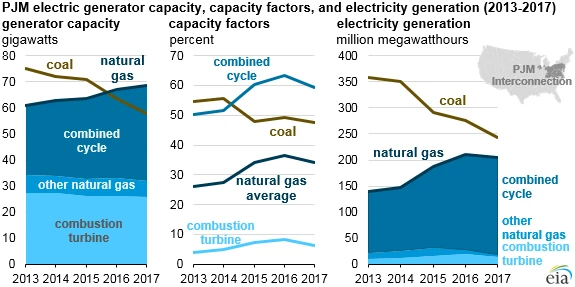
In 2025, FERC directed PJM to create rules for AI-driven data centers and other large loads co-located with generation facilities, in part to protect reliability and consumers. PJM’s May summer outlook found resources were adequate, but it called on non-emergency demand response six times last summer and said June 23 and June 24, 2025, ranked among the highest summer peaks in PJM history, at about 161,300 megawatts and 160,900 megawatts.
Virginia’s revised guidance on data-center generators took effect July 1, and state regulators said the old assumption that emergency diesel units run only rarely is no longer realistic.
Sources
- [1]nytimes.com
- [2]energy.gov
- [3]pjm.com
- [4]whitehouse.gov
- [5]ferc.gov