World
U.S. pauses overnight strikes as Red Sea tensions remain high
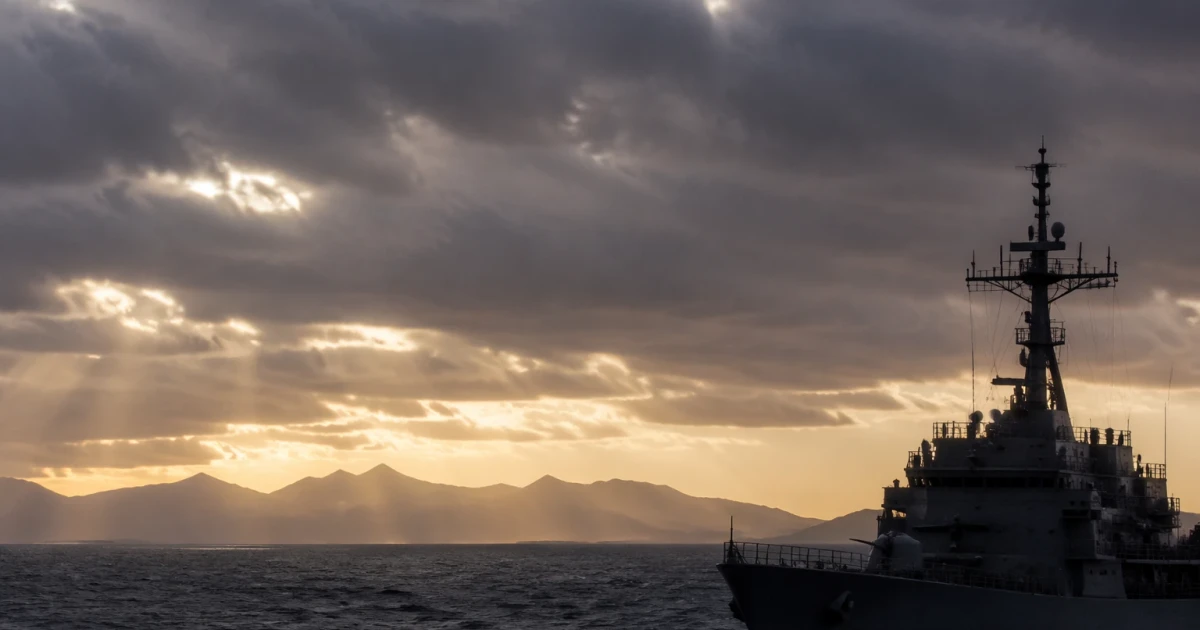
U.S. forces did not announce new overnight attacks on southern Iran for the first time in about two weeks, but the lull did little to ease the risk of a wider regional war. Saudi-led forces struck Houthi targets along Yemen’s Red Sea coast as Washington weighed how far to push its campaign against Tehran and its allies.
President Donald Trump sharpened that pressure after the Houthis claimed on July 22 that they had attacked two Saudi oil tankers in the Red Sea. He promised “major military punishment” for Iran and its Houthi allies and said the United States would hold Tehran responsible for any further Houthi attacks, tying the next stage of the conflict directly to commercial shipping.
The pause in overnight strikes came after a string of U.S. attacks that had already stretched across 13 consecutive nights. On July 20, the U.S. launched strikes on Iran on a ninth day, and another American had been confirmed killed, underscoring the rising human cost as the operation broadened.
Even as Trump threatened escalation, Secretary of State Marco Rubio said on July 22 that Washington was still willing to negotiate over the Iran crisis. The split between military pressure and open diplomacy left the White House with a narrow path: keep deterring Houthi attacks without crossing into a direct regional war with Iran.

The shipping danger was no longer confined to one corridor. The Houthi attacks extended the Middle East war to a second major chokepoint, alongside the Strait of Hormuz, after the Houthis announced a Saudi naval blockade on July 20 and raised fears for traffic through the Red Sea and the Bab al-Mandab Strait.
One Saudi tanker, the Encelia, was hit and caught fire, while crew members were reported safe. Reports on July 24 and July 25 said Saudi strikes hit Houthi targets on Yemen’s Red Sea coast, including Hodeidah province and Kamaran Island, while Houthi-run Al Masirah TV said strikes also hit telecommunications or military sites.
The conflict has grown more dangerous because Iranian support has helped the Houthis expand their military reach and threaten commercial shipping well beyond Yemen. The United Nations warned the situation was “out of control,” leaving the apparent lull in U.S. overnight strikes set against a still-escalating regional crisis.
Sources
- [1]nytimes.com
- [2]reuters.com
- [3]dw.com
- [4]aljazeera.com
- [5]cnbc.com