US News
US pays to store $9.7 million contraceptive stockpile in Belgium
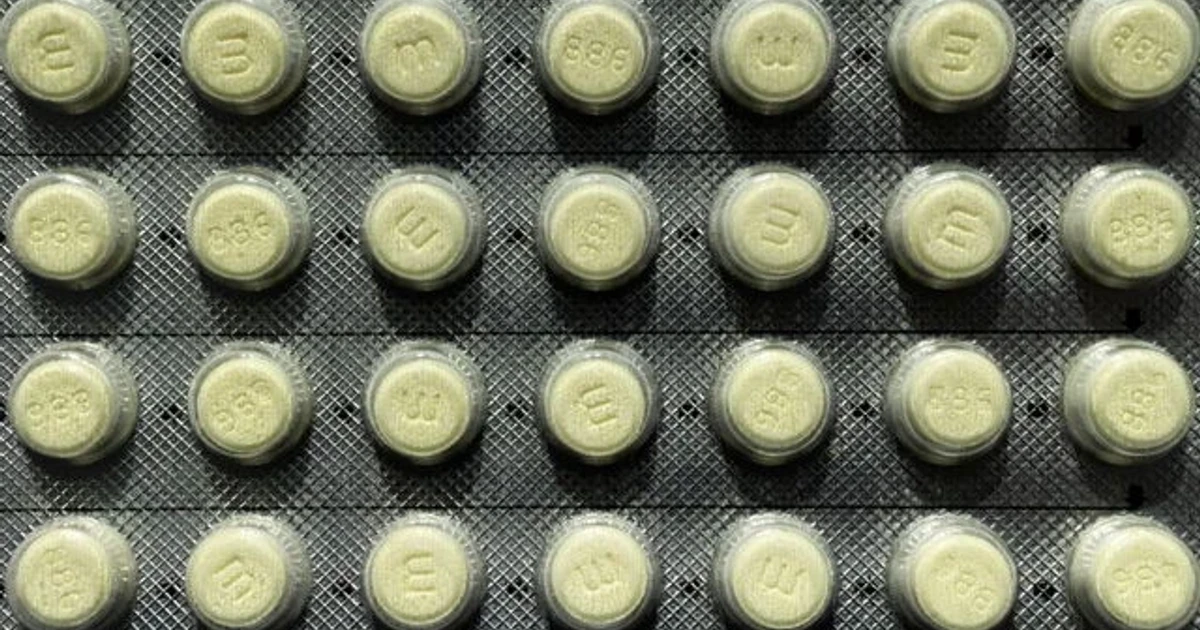
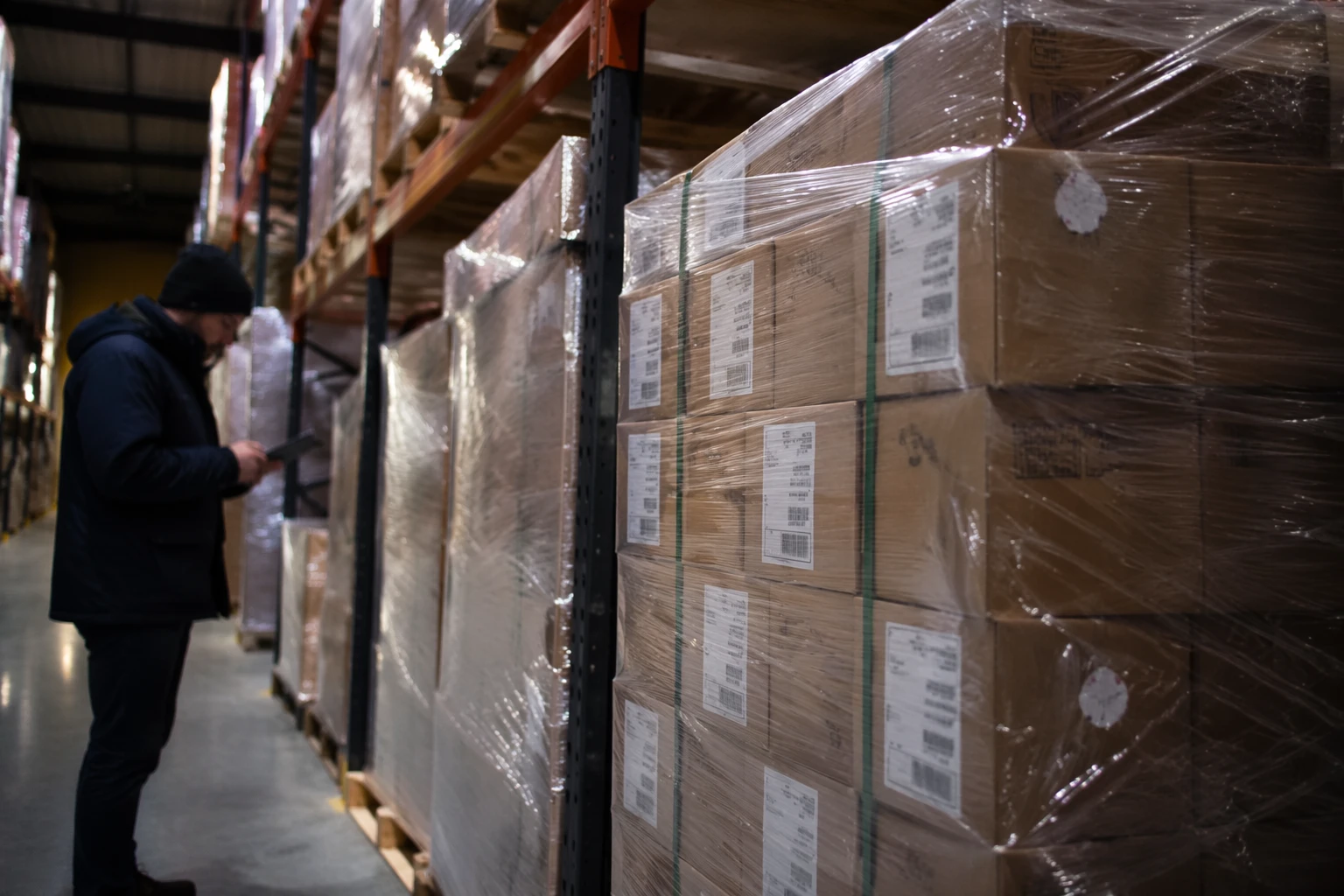
U.S. taxpayers are now paying $24,550 a month to warehouse $9.7 million in contraceptives in Belgium, most of them bought for women in lower-income countries and now largely unusable. The stockpile, stored in Geel, has already cost more than $360,000 in storage and transportation since January 2025, while millions of intended doses sit idle and continue to lose value.
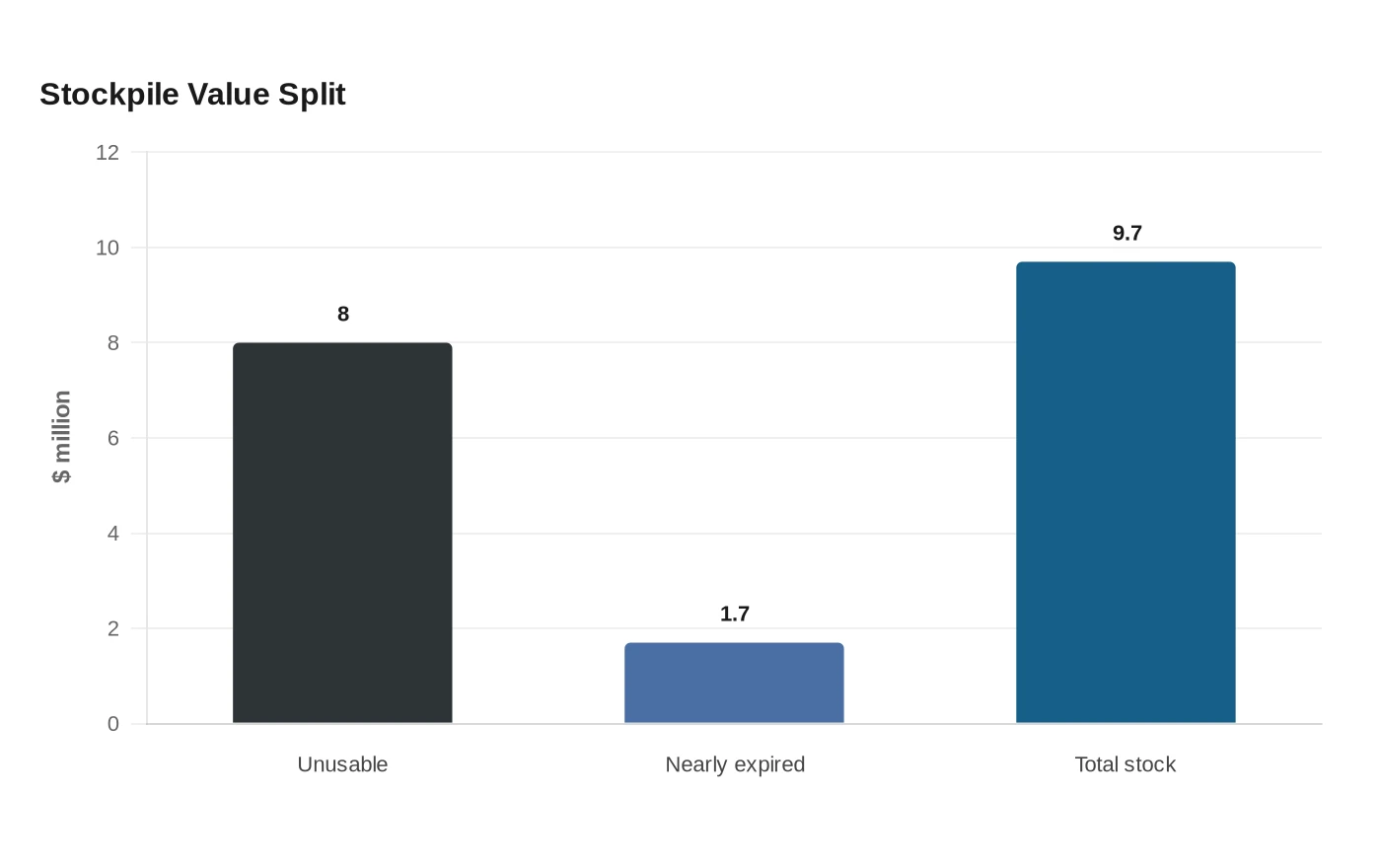
A June 10, 2026 management advisory from the USAID Office of Inspector General said the agency should give Chemonics final disposition instructions to stop the bleeding. The advisory said $8 million of the stock is unusable and another $1.7 million remains nearly expired, and it traced the problem to a bipartisan request from Senators Jeanne Shaheen and Lisa Murkowski. Until the items are resolved, USAID will keep paying more than $24,000 a month.
The chain of losses began after USAID issued a stop-work order on January 27, 2025, then formally terminated the relevant Chemonics task order on March 14, 2025. Those moves followed Executive Order 14169, signed by President Donald Trump on January 20, 2025, which set out a sweeping realignment of U.S. foreign aid. Family planning work was deemed unaligned with administration priorities, and the procurement system that had already bought the contraceptives was left stranded.

The damage worsened after a June 2025 order to move and destroy the stock. During that process, 20 of 24 truckloads, or about $8 million worth, became unusable because they were not kept in safe, temperature-controlled conditions. When the destruction order was later reversed in September 2025, the remaining $1.7 million in usable supplies was left in limbo.
In July 2025, the U.S. State Department confirmed a decision to destroy the stock in France and said incineration would cost about $167,000. Belgian officials explored temporary relocation, but said no viable alternative could be secured. MSI Reproductive Choices offered to pay for repackaging, shipping and import duties so the supplies could be sent without USAID branding to countries in need, but that offer was declined.
By October 2025, the International Planned Parenthood Federation said the supplies were mostly intended for Tanzania, where import rules require a device with more than 24 months of shelf life to retain at least 60 percent of that life. It warned that around a million vials of injectables and more than 400,000 implants would no longer meet those standards. Beth Schlachter of MSI Reproductive Choices called the situation “indefensible and unconscionable,” a verdict that captures the human cost of a policy failure now measured in wasted money, lost access and delayed care.
Sources
- [1]usnews.com
- [2]oig.usaid.gov
- [3]uk.news.yahoo.com
- [4]rnz.co.nz
- [5]marketscreener.com
- [6]whitehouse.gov
- [7]foreign.senate.gov