World
US Plans New Tariffs Targeting Forced Labor Imports
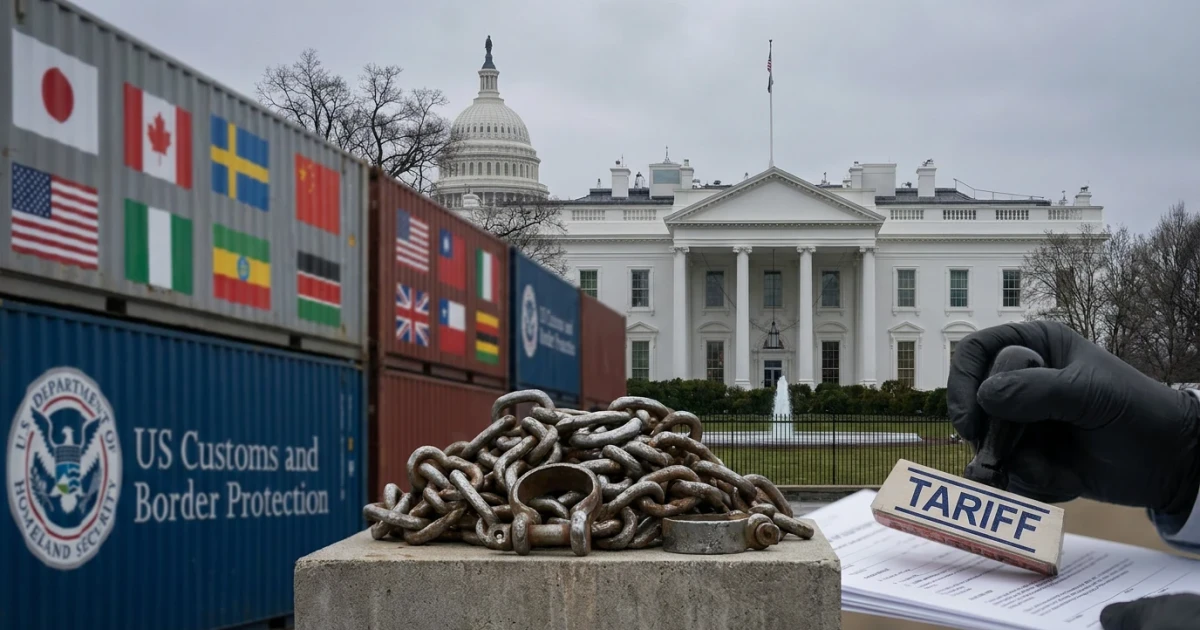
The United States is preparing to impose sweeping tariffs of at least 10% on imports from 60 economies, a move aimed at curbing products linked to forced labor in global supply chains. The proposal, first reported by Bloomberg, marks one of the most comprehensive trade actions by Washington in recent years, reflecting mounting concerns about ethical sourcing and human rights abuses in international trade.
Scope and Rationale Behind the Tariffs
The proposed tariffs would affect a broad range of goods entering the U.S. market, with officials citing persistent forced labor practices as the primary motivation. According to Bloomberg, the measure is designed to pressure foreign governments and companies to strengthen labor protections and crack down on exploitative conditions.
- The tariffs would apply to imports from 60 economies, targeting sectors believed to be at high risk of forced labor.
- Each affected product would face a minimum 10% tariff, with the possibility of higher rates for specific goods or industries.
- The action follows growing enforcement of the Uyghur Forced Labor Prevention Act, which restricts imports from China’s Xinjiang region due to forced labor concerns.
U.S. officials have emphasized that the new tariffs are not solely focused on China, but apply globally to economies where forced labor is documented. The move is expected to intensify scrutiny of supply chains and encourage greater transparency from international suppliers.
Forced Labor in Global Trade
Forced labor remains a significant issue in world commerce, affecting industries ranging from agriculture and textiles to electronics and mining. The U.S. Department of Labor maintains a list of goods and countries associated with forced labor, highlighting the widespread nature of the problem.
- The International Labour Organization estimates that 27.6 million people are subjected to forced labor worldwide (ILO Forced Labour Statistics).
- Products such as cotton, electronics, seafood, and garments have been flagged as high-risk for forced labor practices.
U.S. Customs and Border Protection has ramped up enforcement actions, issuing numerous withhold release orders to block goods suspected of being produced with forced labor from entering the country.
Potential Economic and Diplomatic Impact
The proposed tariffs are likely to have both economic and diplomatic repercussions:
- Trade partners may challenge the measures through the World Trade Organization, arguing that broad tariffs could disrupt established trade relationships.
- Some economies targeted by the tariffs are major exporters to the United States, raising concerns among U.S. businesses about supply chain costs and product availability.
- Advocacy groups have welcomed the move as a step toward more ethical sourcing, but warn that implementation and enforcement will be critical to real progress.
The U.S. government has indicated that it will engage with affected countries and industries to ensure that the new rules are clear and fairly applied, while maintaining its commitment to combating forced labor.
Next Steps and Outlook
The tariff proposal is subject to further review and public comment before being finalized. The Biden administration is expected to consult with Congress and stakeholders as it crafts the final regulations.
Analysts suggest that the move could spur other major economies to adopt similar measures, potentially reshaping global trade practices around human rights standards. While the effectiveness of the tariffs will depend on rigorous enforcement and international cooperation, the U.S. action signals a renewed focus on labor ethics in trade policy.
For more detailed data on forced labor and affected goods, readers can explore the Department of Labor’s database and the ILO statistics.
The coming months will reveal how global suppliers and trading partners respond to the U.S. tariffs and whether the initiative achieves its intended goal: reducing forced labor in the world’s supply chains.