US News
US Plans Passport Revocations for Child Support Debt
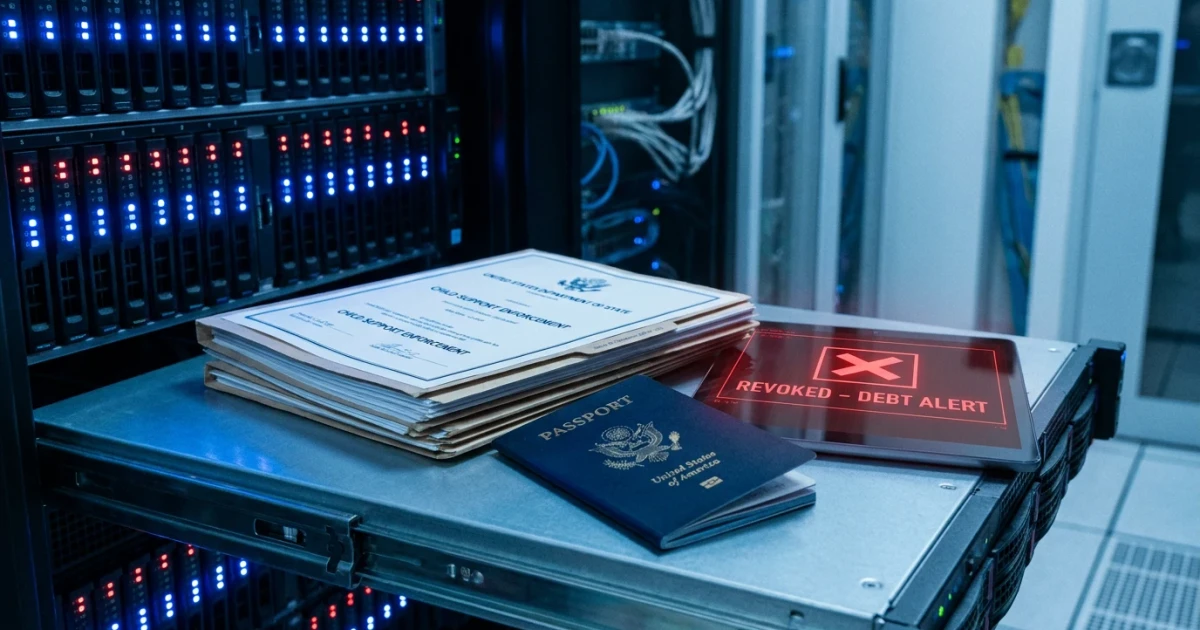
The US State Department is preparing to revoke passports from parents who owe significant child support, marking a major escalation in federal enforcement efforts. This move, covered by both BBC and The Guardian, signals a renewed push to collect unpaid child support and could impact thousands of Americans.
Longstanding Law Gets New Teeth
The policy is rooted in the Personal Responsibility and Work Opportunity Reconciliation Act of 1996, which empowers the government to deny or revoke passports for parents with outstanding child support debt above a specified threshold. While passport denial for new applications has been enforced for years, the State Department’s new initiative will also target already issued, active passports for revocation.
According to the U.S. Department of State, the enforcement threshold stands at $2,500 in arrears. Parents identified by state child support agencies as exceeding this amount may now see their travel freedoms curtailed until their debts are resolved. The Child Support Passport Denial Program outlines the processes by which states refer cases to federal authorities, historically resulting in tens of thousands of passport actions annually.
Scope and Impact
- Data from the Child Support Enforcement Annual Report FY 2022 shows that over $113 billion in child support was owed nationwide, with a significant portion in arrears.
- The U.S. Census Bureau reported that in 2019, about 5.5 million custodial parents were owed child support, but only 43% received the full amount due.
- The Government Accountability Office has found that passport denial and revocation are among the most effective enforcement tools for collecting overdue support.
Previously, the policy’s main impact was on those applying for new passports or renewals. The BBC and The Guardian both note that the latest enforcement will affect those who already possess valid passports, potentially restricting travel for work, family, or emergencies.
What Affected Parents Need to Know
The official State Department guidance clarifies that once a parent is identified as delinquent, their passport can be revoked or denied. To reinstate their travel privileges, individuals must pay down their arrears to below the $2,500 federal threshold and obtain clearance from their state child support agency.
Legal experts cited in multiple reports emphasize that the program specifically targets parents with ongoing, court-ordered support obligations who are significantly behind on payments, rather than those with minor or disputed shortfalls.
Broader Context and Enforcement Trends
Both BBC and The Guardian frame this move as part of a broader push to strengthen child support enforcement. Passport sanctions join a suite of tools used by states and the federal government, including wage garnishment, tax refund intercepts, and, in some cases, suspension of driver’s licenses.
Advocates for children and custodial parents argue that such measures are necessary to ensure financial support reaches families in need. However, critics caution that revoking passports could complicate matters for obligors who need to travel for employment or family reasons, potentially impeding their ability to earn income and pay down their debts.
Next Steps
The State Department is expected to begin notifying affected parents in the coming months. Individuals who believe they may be impacted are advised to check their child support status with their state agency and review the official guidance for steps to resolve their debts.
This intensification of passport sanctions underscores the government’s commitment to enforcing child support obligations, with significant consequences for parents in arrears. As the policy rolls out, its effects on compliance rates and family outcomes will be closely watched by policymakers and advocacy groups alike.