US News
U.S. plans to deport Iranians to Central African Republic, despite travel warning

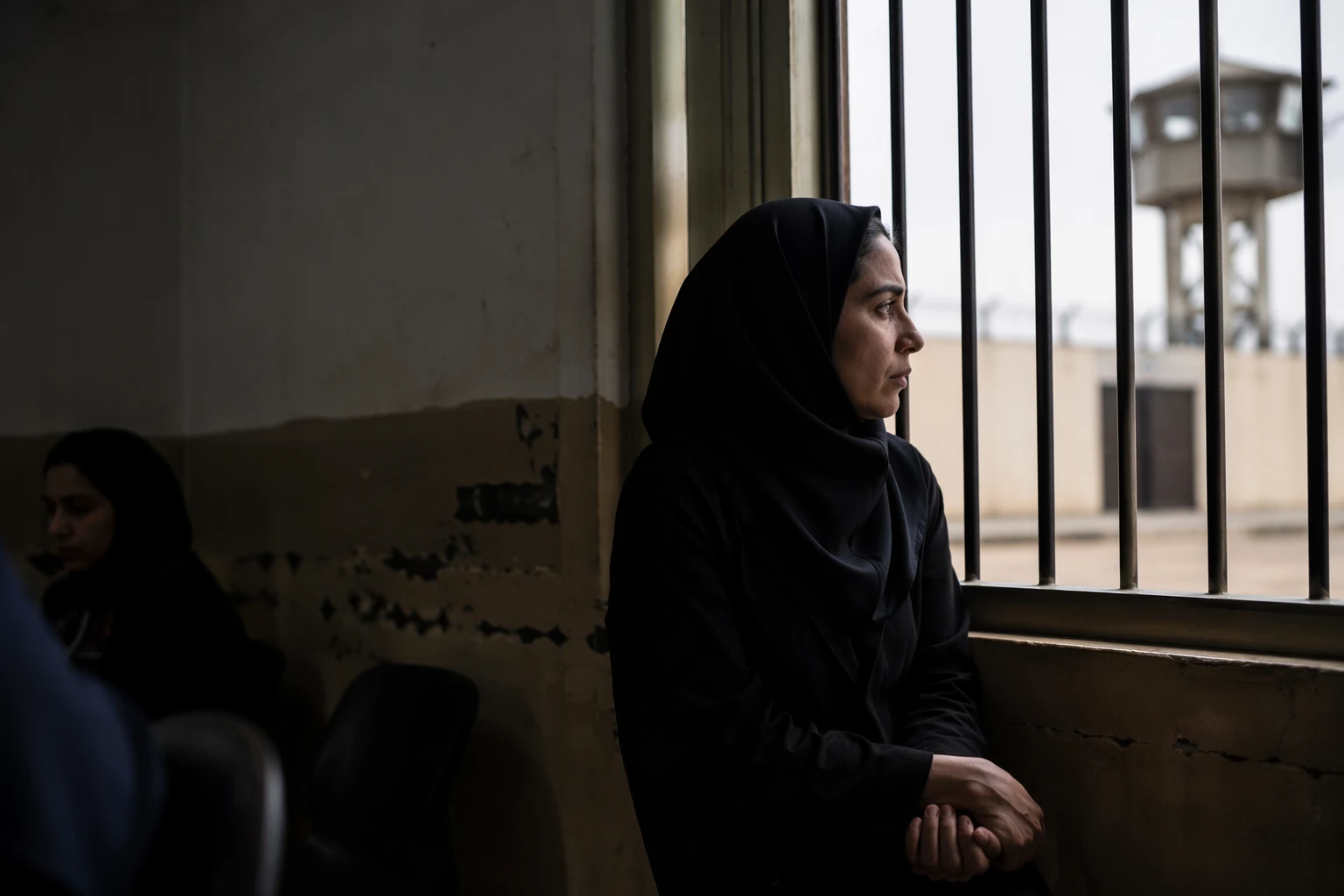
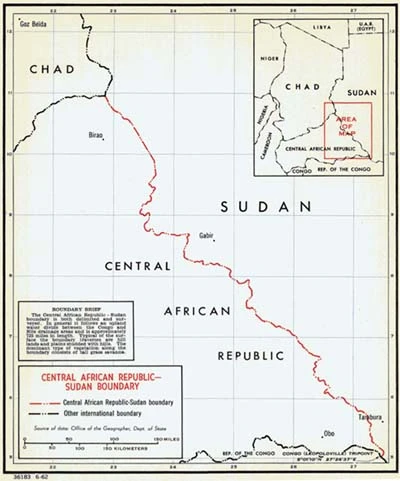
Two Iranian women who sought refuge in the United States are among nearly two dozen people the government plans to send to the Central African Republic, a country the State Department says Americans should not enter for any reason. The move highlights a sharp contradiction in U.S. immigration policy: Washington warns of danger in Bangui while trying to use the same country as a destination for deportations.
The Central African Republic is under a Level 4 travel advisory, the State Department’s highest warning. Its guidance cites unrest, crime, kidnapping, landmines, health risks and terrorism, and says the U.S. government has limited ability to provide emergency services there. For the migrants now facing removal, advocates say the issue is not only where they are being sent, but whether the government can send them anywhere at all after they have already secured protection from immigration courts.
The administration has been pressing ahead with third-country removal deals as part of a broader effort to accelerate deportations, including arrangements with African governments. Central African Republic agreed to accept migrants deported from the United States, and the International Organization for Migration is expected to help assist people after arrival in Bangui. The United States has also awarded $85 million for IOM operations in the country, adding a layer of logistical support to a policy that rights groups say can place vulnerable people in unfamiliar and potentially dangerous settings.
Legal fights over the practice have already begun. On May 22, 2026, Judge Lee Rosenthal of the U.S. District Court for the Southern District of Texas issued a temporary restraining order blocking the planned deportation of a Turkish national to Central African Republic. That case underscored how third-country transfers can collide with court protections that migrants won in the United States, including asylum claims and other rulings that barred return to their home countries.
Rights advocates and legal groups argue that sending people to a third country can amount to an end run around immigration law, especially when deportees have no ties there and may face serious danger upon arrival. The new plan for Iranian women, and for nearly two dozen people in all, signals that the administration is widening a strategy built not only on removal, but on finding destinations far from the countries migrants fled in the first place.
Sources
- [1]nytimes.com
- [2]travel.state.gov
- [3]straitstimes.com
- [4]usnews.com
- [5]channelafrica.co.za
- [6]justsecurity.org