World
US Plans to Escort Ships Through Strait of Hormuz
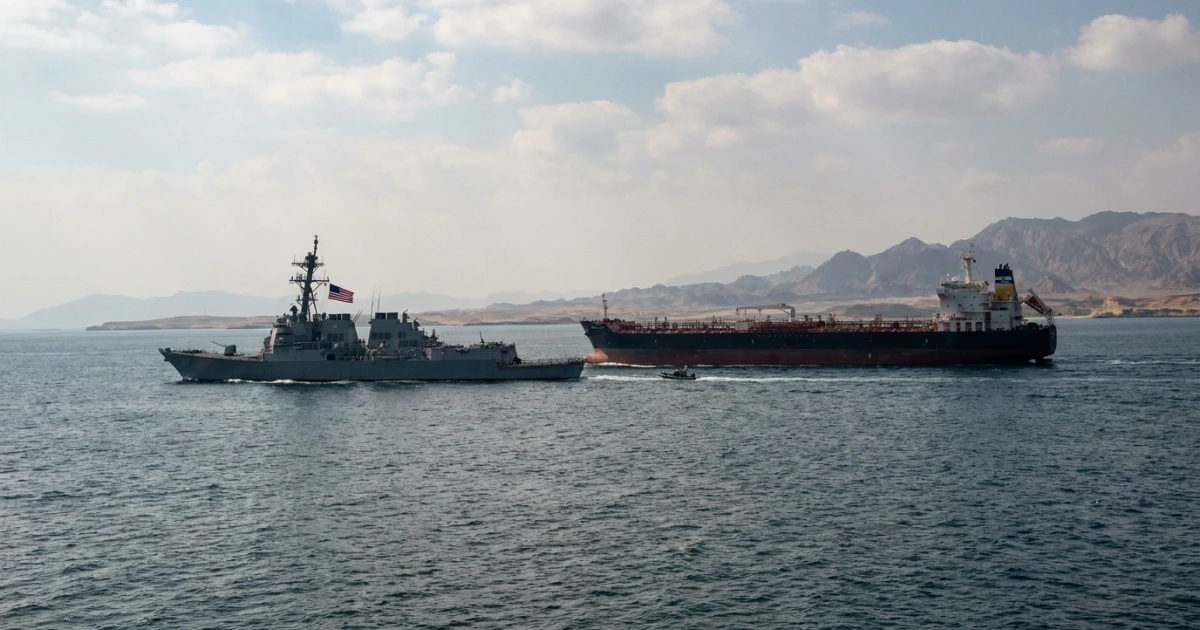
The United States is preparing to launch a new maritime security initiative in the Strait of Hormuz, with President Trump announcing that US forces will begin guiding stranded and neutral ships safely out of the critical waterway starting Monday morning. The announcement comes amid escalating tensions in the region and concerns over disrupted shipping traffic through one of the world’s most vital oil transit chokepoints.
US Commitment to Maritime Security
Both AP News and Forex Factory report that President Trump’s statement signals an immediate response to recent incidents that have left several commercial vessels stranded or hesitant to transit the Strait of Hormuz. Trump emphasized that the US will ‘guide’ ships, focusing on those with neutral registry, to ensure safe passage and prevent further disruptions to global shipping.
The Strait of Hormuz is a narrow sea passage connecting the Persian Gulf and the Gulf of Oman, and is responsible for the transit of approximately 20% of the world’s daily petroleum moving from key producers to global markets. According to UNCTAD maritime transport statistics, over 5,000 vessels pass through the Strait annually, making its security paramount for international commerce.
Operational Details and International Law
While specifics of the escort operation have not been fully disclosed, official US government resources confirm that operations will adhere to established maritime security protocols. The US Department of Transportation Maritime Administration notes that such missions typically involve US Navy assets coordinating with allied navies, employing communication and navigation support, and providing direct escort through high-risk zones. The International Maritime Organization sets the legal framework for such actions, requiring respect for neutral shipping and safe passage principles under international law.
Global Impact and Market Response
- Oil Prices: The Strait’s strategic importance is underscored by its role as the world’s most significant oil transit chokepoint. Disruptions have historically led to volatility in global oil prices.
- Shipping Delays: Recent incidents have caused delays for hundreds of vessels, impacting supply chains and raising concerns among insurers and shipping companies.
- Energy Security: According to the OECD, interruptions in the Strait could affect energy supplies to Europe, Asia, and the US, with cascading effects on fuel availability and prices.
- US Imports: Data from the US Energy Information Administration highlights ongoing reliance on crude oil shipments passing through the Strait.
International Reaction and Outlook
While the US initiative has been welcomed by some shipping stakeholders, others urge caution and clarity on rules of engagement. Past US-led operations in the Strait have generally succeeded in restoring confidence and stabilizing shipping traffic, but have occasionally drawn criticism from regional actors wary of foreign military presence.
According to the Council on Foreign Relations, the Strait’s geopolitical sensitivity means that any military activity can have far-reaching diplomatic and economic consequences. The US is expected to coordinate closely with allies and international bodies to maintain transparency and avoid escalation.
Analysis and Next Steps
President Trump’s announcement, corroborated by multiple sources, marks a significant step in the US strategy to secure maritime routes in the Persian Gulf. As operations begin Monday, the world will watch to see if US-led escorts can safely restore shipping flows and mitigate risk in the region.
Continued updates are expected as the situation develops, with market and diplomatic responses likely to reflect the effectiveness and scope of the US operation. The security of the Strait of Hormuz remains a critical concern for global trade, energy supply, and international stability.